A significant financial pledge from the Government of Ireland, totaling €12.5 million, is set to dramatically enhance global access to assistive technology, spearheaded by the World Health Organization (WHO). This substantial investment underscores a shared commitment to addressing the critical needs of an estimated 2.5 billion individuals worldwide who currently require essential assistive products to lead independent and dignified lives. The five-year donor agreement, formalized in March 2024, positions Ireland at the forefront of a global movement leveraging digital innovation to dismantle persistent barriers to care and inclusion.
The imperative for such an initiative is stark. Global demographics are shifting rapidly, marked by an increasingly aging population and a rising prevalence of noncommunicable diseases. Projections indicate that by 2050, the number of people requiring assistive technology (AT) could swell to 3.5 billion. This encompasses a broad spectrum of individuals, including older adults, persons with disabilities, and those managing chronic health conditions or recovering from injuries. Assistive technologies are not merely conveniences; they are fundamental enablers, ranging from essential items like eyeglasses, hearing aids, and mobility devices such as walking aids and wheelchairs, to more sophisticated solutions like prosthetic limbs, communication devices, and memory aids. Without these tools, individuals often face significant obstacles to education, employment, social participation, and even basic self-care, severely impacting their quality of life and contributing to societal marginalization.
Ireland has increasingly distinguished itself as a nation committed to leveraging digital advancements to address complex global health challenges. This strategic focus aligns seamlessly with the WHO’s mission to foster equitable access to healthcare for all. The recent financial commitment is a testament to Ireland’s recognition of the profound impact that innovative digital solutions can have in overcoming the multifaceted barriers that currently impede access to assistive technology across diverse populations and geographies. These barriers typically include prohibitively high costs, limited availability of products, a scarcity of trained healthcare professionals, inadequate policy frameworks, and often, societal stigma.
Anne Rabbitte, T.D., Ireland’s Minister of State with special responsibility for disabilities at the Department of Children, Equality, Disability, Integration and Youth, articulated the profound significance of this collaboration. Minister Rabbitte emphasized the critical necessity of investing robustly in public health infrastructure, a sentiment echoed by the WHO. She highlighted a pressing global challenge: the confluence of escalating health demands and a dwindling pool of health and social care professionals. This dual pressure, she noted, mandates immediate and decisive action from the international community. Ireland’s contribution, therefore, is not merely financial; it represents a strategic alignment with the recommendations outlined in the groundbreaking Global Report on Assistive Technology, unveiled in 2022.
This five-year program is meticulously designed to foster the development of national health system models that seamlessly integrate assistive technology provision. A central pillar of the initiative involves exploring and demonstrating how digital technologies can revolutionize people-centred services. This includes enhancing assistive technology policy development, improving both the affordability and appropriateness of assistive products, establishing more efficient and effective provision systems, and significantly bolstering the capacity of health personnel. The goal is to empower healthcare workers to more effectively identify, screen, refer, and ultimately provide assistive technology to everyone who needs it, ensuring no individual is left without the support necessary for full participation in society.

The seeds of this strengthened partnership were sown earlier, reflecting a sustained commitment from both entities. In 2022, Taoiseach Micheál Martin, T.D., played a pivotal role in launching the Global Report on Assistive Technology, an event co-hosted with the Director-General of the WHO and the Executive Director of UNICEF. During this launch, the Taoiseach underscored the indispensable nature of international cooperation in forging more equitable pathways to assistive technology. His vision, deeply resonant with Ireland’s national values, is to cultivate societies where every individual is included, empowered, and afforded the opportunity to live their fullest potential. The Global Report itself served as a comprehensive analysis, identifying key gaps in AT provision and outlining actionable recommendations for governments and international organizations to improve access worldwide. Its findings illuminated the vast scale of unmet need and the transformative potential of well-implemented AT programs.
Dr. Yukiko Nakatani, WHO Assistant Director-General for Access to Medicines and Health Products, warmly welcomed Ireland’s substantial contribution and lauded its leadership in pioneering digital initiatives. Dr. Nakatani underscored that the 2018 World Health Assembly resolution on assistive technology explicitly tasked the WHO with taking proactive measures to champion equitable access to these life-changing tools. This mandate forms a core component of the WHO’s broader endeavor to construct a more inclusive global society. She articulated that the renewed partnership with the Government of Ireland is instrumental in propelling the WHO towards its overarching mission: ensuring health for all, everywhere. In this context, assistive technologies are recognized not merely as medical aids, but as vital enablers of holistic well-being, genuine inclusion, and active participation in all facets of life.
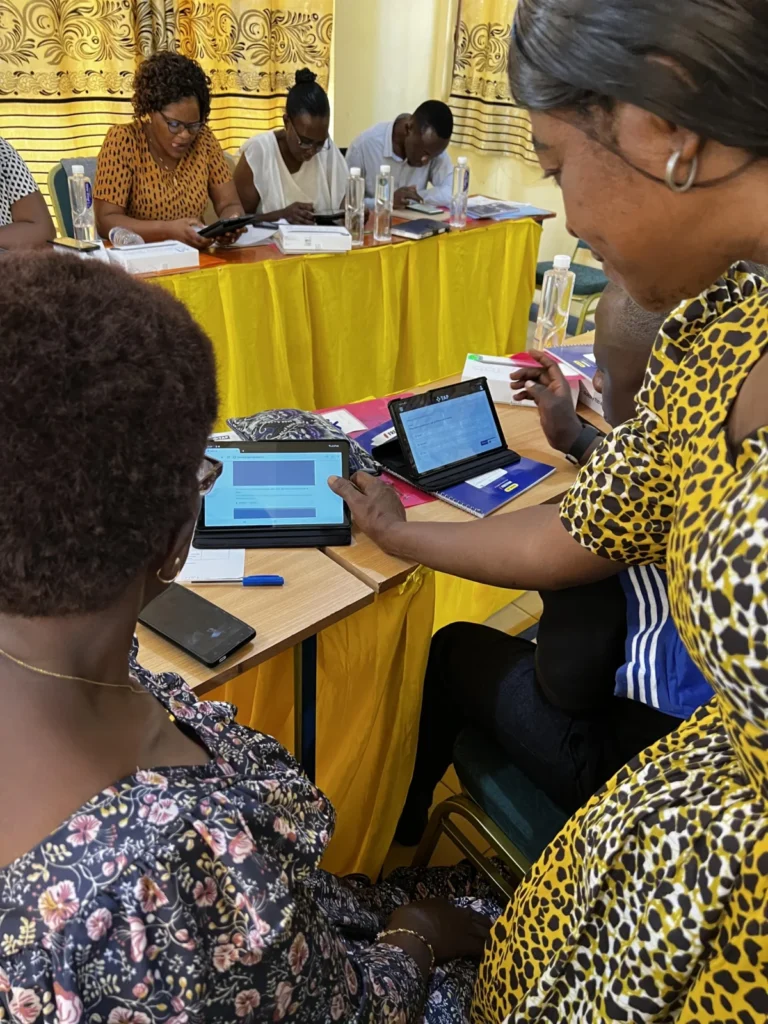
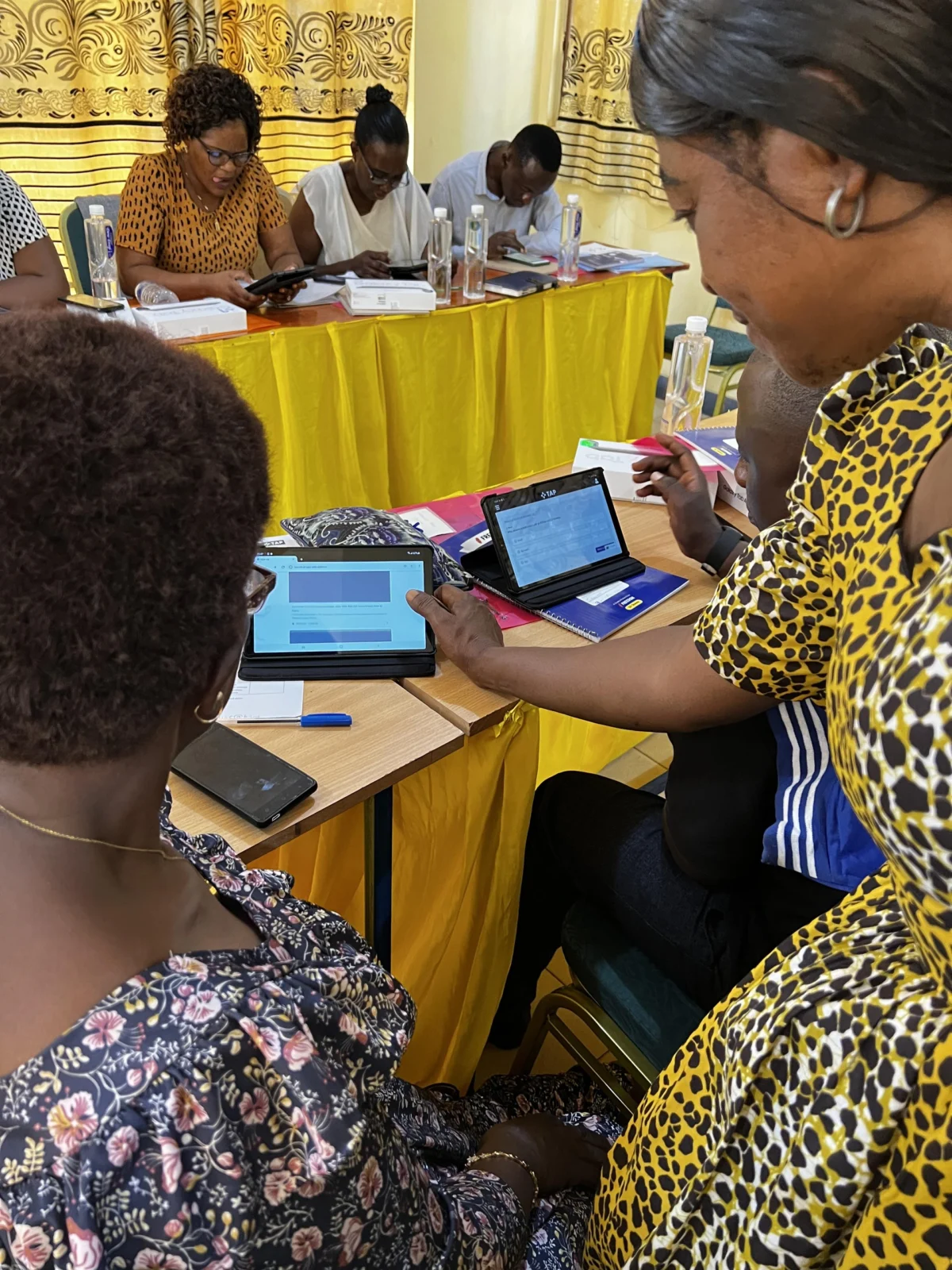
The strategic framework of this collaboration will empower the WHO, in concert with its extensive network of global partners, to develop robust, evidence-based guidance for its Member States. This guidance will focus on strengthening access to assistive technology by fostering a deeper understanding of needs, prioritizing interventions, and actively stimulating innovation, particularly through the adoption of digital solutions. The program envisions a multi-pronged approach, encompassing national, regional, and global projects designed to rigorously test innovative digital solutions. These solutions are specifically engineered to dismantle persistent access barriers. Examples include the development of intuitive digital platforms that empower users with comprehensive information about available assistive technologies and streamlined access pathways. Furthermore, advanced digital tracking systems will be implemented to enhance supply chain management, ensuring that products reach those who need them most efficiently. Online training and robust support systems for health workers will also be a cornerstone, building capacity and expertise in AT provision, especially in underserved regions. An illustrative example of the potential impact of such digital training was demonstrated in Tanzania, where health personnel participated in online programs to facilitate the provision of simple assistive products through community and primary health care facilities. This approach makes essential items like walking aids and reading glasses more readily available at the local level, with digital communication apps providing ongoing mentorship and support to health workers.
The insights gleaned and lessons learned from these pilot projects and programmatic implementations will be invaluable. They are expected to significantly expand the knowledge base, refine the skills, and augment the capacities of countries in the effective provision of assistive technology, thereby solidifying its integration as an indispensable component of Universal Health Care (UHC). UHC, a cornerstone of sustainable development, aims to ensure that all people have access to the health services they need, when and where they need them, without financial hardship. Integrating AT into UHC means moving beyond ad-hoc provision to a systemic, rights-based approach that acknowledges assistive technology as a human right and a fundamental element of comprehensive health service delivery.
At its core, the principle of "Leaving no one behind" drives this ambitious undertaking. It mandates that people with disabilities, the burgeoning older population, individuals grappling with chronic diseases, and indeed, anyone requiring assistive technology, are not merely included in society but are actively enabled to live healthy, fulfilling, and dignified lives. This initiative represents more than a financial contribution; it is an investment in human potential, a commitment to equity, and a powerful demonstration of how international cooperation, fueled by digital innovation, can bridge divides and build a more inclusive world for all. By empowering individuals with the tools they need to thrive, this partnership between Ireland and the WHO is poised to unlock vast socioeconomic benefits, fostering greater independence, productivity, and social cohesion globally.
About the Author