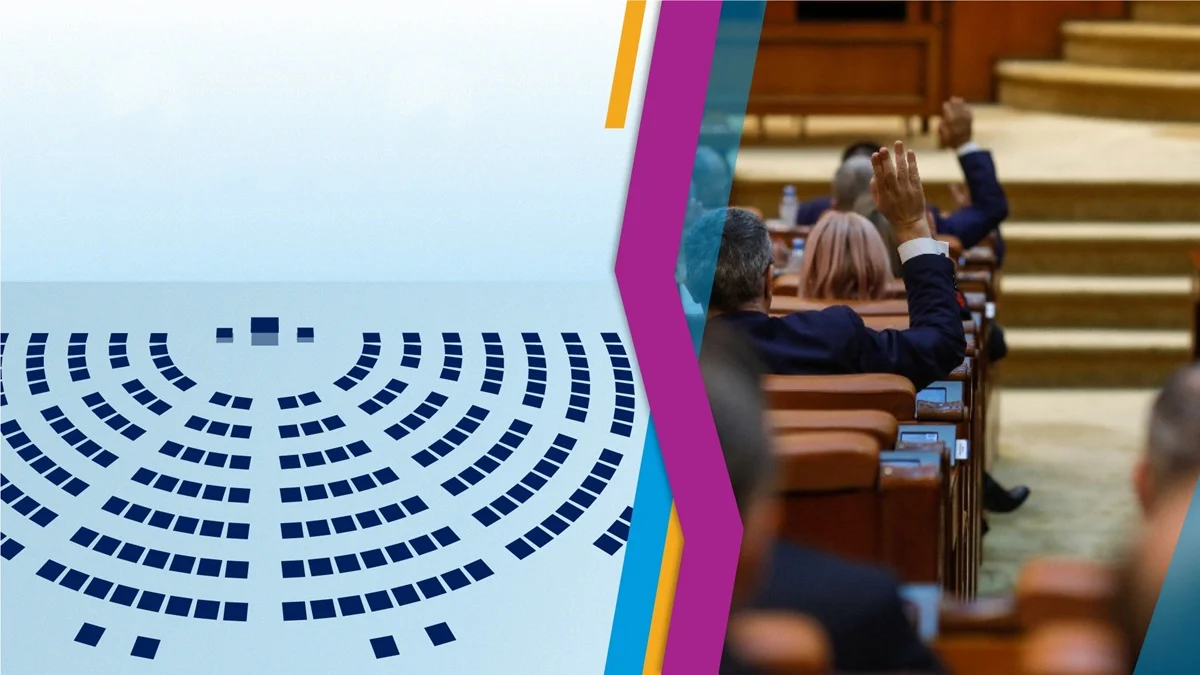
The global health landscape, continuously reshaped by emergent pathogens, climate-induced health crises, and geopolitical shifts, underscores an urgent imperative for robust and adaptive governance structures. In recognition of the indispensable role that legislative bodies play in fortifying national and international defenses against public health emergencies, the World Health Organization (WHO) has unveiled a specialized online learning curriculum. This comprehensive program, titled "The Role of Parliaments and Parliamentarians in Strengthening Health Security Preparedness," is meticulously designed to empower elected officials with the strategic insights and actionable frameworks necessary to champion effective health security measures within their respective jurisdictions and on the global stage.
The devastating trajectory of the COVID-19 pandemic, alongside the persistent threats posed by other communicable diseases such as Ebola, SARS, MERS, and Zika, has served as a stark global reminder of the multifaceted vulnerabilities inherent in national health systems. These crises have unequivocally demonstrated that an effective response transcends the confines of medical and scientific expertise alone; it demands robust political leadership, sound policy-making, and unwavering public trust. Legislators, as representatives of their constituents and custodians of national policy, occupy a unique and critical nexus within this ecosystem. Their influence extends across crucial domains, from crafting foundational legal frameworks and allocating essential resources to providing vigilant oversight and fostering public confidence. High-level analyses conducted in the aftermath of recent global health upheavals have consistently highlighted that sustained parliamentary advocacy is not merely beneficial but absolutely fundamental for navigating and mitigating the profound societal disruptions wrought by public health emergencies.
This innovative training initiative is structured across seven meticulously developed modules, each delving into a distinct, yet interconnected, facet of parliamentary responsibility in the context of health security. Participants will embark on an immersive exploration of the legislative function, understanding how to draft, debate, and enact forward-looking public health laws that are both responsive to current threats and resilient against future challenges. The curriculum also places significant emphasis on the critical role of oversight, equipping parliamentarians with the skills to scrutinize executive actions, monitor the implementation of health policies, and ensure accountability from governmental agencies responsible for preparedness and response. Furthermore, the course addresses the intricate process of budgetary allocation, providing insights into prioritizing investments in public health infrastructure, research and development, and emergency stockpiles, while ensuring fiscal transparency and efficiency. Finally, it explores the vital function of citizen representation, guiding parliamentarians on effective communication strategies, fostering community engagement, and translating public needs and concerns into actionable policy.
A cornerstone of the program is a deep dive into the foundational concepts of health emergency preparedness and health security, delineating their scope, principles, and interdependencies. Crucially, the curriculum provides an extensive examination of the International Health Regulations (IHR) 2005. These regulations represent the overarching international legal instrument governing global public health events, establishing a framework for countries to prevent, protect against, control, and provide a public health response to the international spread of disease in ways that are commensurate with and restricted to public health risks, and which avoid unnecessary interference with international traffic and trade. Parliamentarians will gain a comprehensive understanding of their nation’s obligations under the IHR, the mechanisms for effective implementation, and the parliamentary actions required to ensure national compliance and contribute to global collective security. This includes promoting cross-border collaboration, facilitating data sharing protocols, and advocating for equitable access to essential medical countermeasures during crises.
Participants will emerge from the course with an enhanced capacity to identify and seize opportunities, both at the domestic policy level and within international forums, for their parliaments and themselves to make substantive contributions to global health security. This involves recognizing avenues for legislative reform to strengthen national health systems, advocating for increased investment in health research, and championing policies that address health inequities. On the global front, it means engaging with international parliamentary networks, participating in multilateral discussions on global health governance, and supporting diplomatic efforts to strengthen collective responses to cross-border health threats. The program’s emphasis on practical skills and actionable recommendations is designed to empower parliamentarians to transition from theoretical understanding to tangible policy impact. By accessing a curated repository of further resources and engaging with peer networks, they can continuously strengthen their efforts to lead and prioritize improved health emergency preparedness and security measures within their legislative mandates.
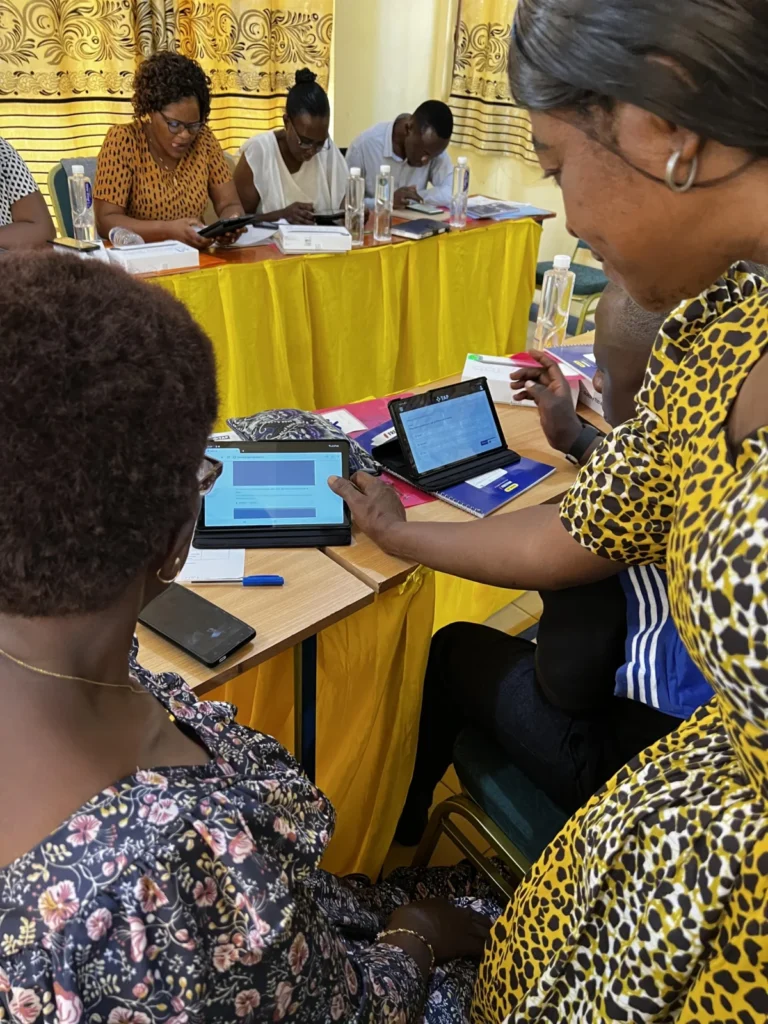
Hosted on the accessible OpenWHO platform, the online training course is openly available to all interested stakeholders, extending its reach beyond just elected officials to include parliamentary staff, civil society organizations, academic researchers, and public health advocates. This broad accessibility reflects WHO’s commitment to fostering a holistic, multi-sectoral approach to health security, recognizing that effective preparedness is a shared responsibility that benefits from diverse perspectives and coordinated efforts. By making this specialized knowledge widely available, the initiative aims to cultivate a broader base of informed advocates and implementers dedicated to reinforcing global health defenses.
Ultimately, by strategically investing in the capacities of parliamentarians through this bespoke training, the WHO endeavors to cultivate a more robust, adaptive, and prepared global community. This vision entails nations equipped with resilient health systems capable of rapid detection, containment, and response to novel threats; populations assured of consistent access to essential health services and accurate public health information; and international mechanisms that foster solidarity and equitable distribution of resources during times of crisis. The initiative reflects a profound understanding that health security is not merely a medical challenge but a complex societal endeavor requiring sustained political will, informed legislative action, and collaborative global engagement. Through this empowerment of legislative leaders, the aim is to catalyze a transformative impact on global health security, forging a future where the world is better prepared to collectively confront and overcome the inevitable health emergencies that lie ahead. This proactive investment in governance capacity stands as a testament to the enduring belief that a well-informed and engaged parliament is the bedrock of a healthy and secure nation, and by extension, a healthy and secure world.
About the Author