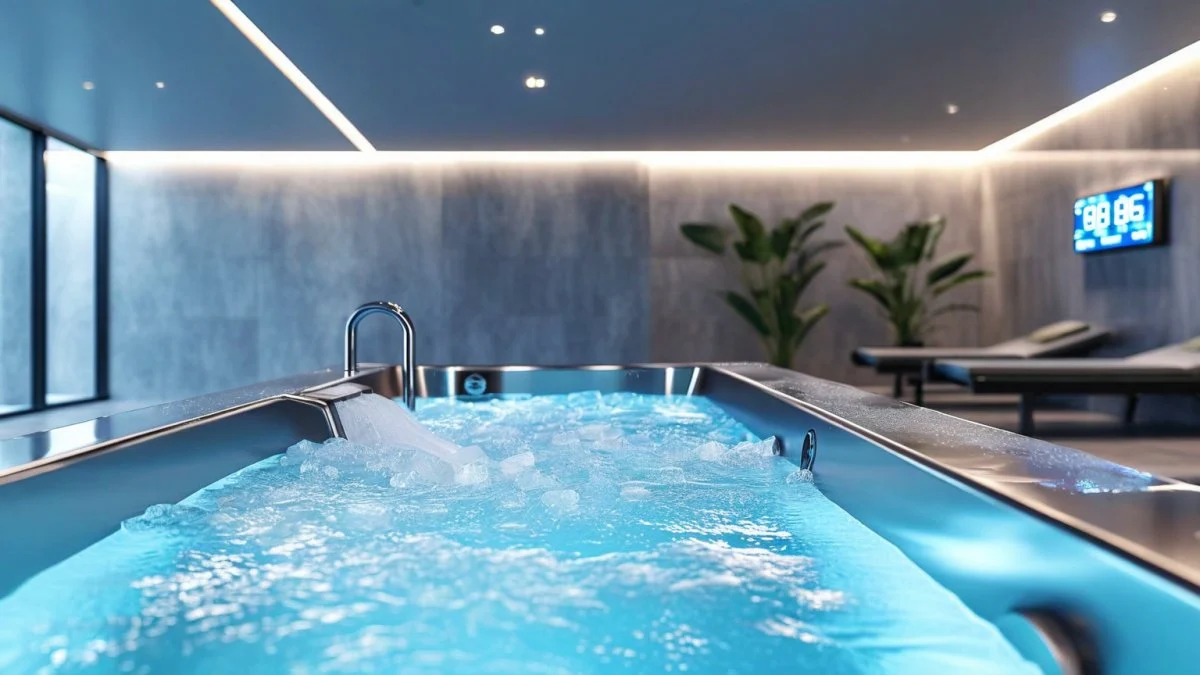
The efficacy of cold water immersion as a recovery modality is profoundly influenced by a precise understanding of its physiological mechanisms, particularly regarding the timing, temperature, and duration of exposure. Anecdotal evidence and widespread practice often reveal a disconnect between perceived benefits and actual physiological outcomes, largely due to a lack of adherence to scientifically validated protocols. This discrepancy means that many individuals seeking to harness the advantages of cold therapy may be forfeiting a significant portion of its potential, with some estimates suggesting as much as two-thirds of the benefits could be missed through improper application.
A frequent inquiry posed by athletes and fitness enthusiasts revolves around the optimal conditions for engaging in cold water therapy: "When is the ideal moment to apply cold immersion, and what temperature range yields the most advantageous results?" The responses to these questions often deviate from simplistic, universally applicable guidelines, emphasizing instead a nuanced approach tailored to individual physiological states and training regimens. The underlying principle of cold water recovery is not merely the sensation of being cold, but rather the strategic modulation of the body’s inflammatory response and circulatory dynamics.
When the timing of cold water immersion is precisely calibrated, the body initiates a controlled physiological stress response. This response triggers a cascade of beneficial adaptations, including heightened blood flow, a reduction in inflammatory markers that contribute to delayed onset muscle soreness (DOMS), and an accelerated clearance of metabolic byproducts accumulated during strenuous physical activity. However, the critical factor underpinning these benefits is the temporal window in which the immersion occurs.
The period spanning approximately 15 to 45 minutes following the cessation of exercise represents a crucial juncture. During this interval, the body’s oxygen consumption remains elevated, and muscle tissues are particularly receptive to the vasoconstrictive effects induced by cold exposure. Engaging in cold immersion within this timeframe capitalizes on the body’s heightened state of metabolic activity and susceptibility to targeted physiological interventions. Delaying this intervention beyond this window may mean missing the optimal period for mitigating inflammation, while initiating it too prematurely could potentially interfere with the essential adaptive signaling processes that the body requires for muscle repair and growth following exercise.
The concept of an optimal temperature for cold water recovery often elicits a counterintuitive understanding: that extreme cold is not necessarily synonymous with superior results. Research indicates the existence of a specific temperature range, often referred to as a "sweet spot," where the benefits of cold water immersion are maximized for reducing the body’s post-exercise oxygen demand and enhancing circulatory function. For individuals new to cold therapy, a temperature range of 50-59 degrees Fahrenheit (10-15 degrees Celsius) is frequently recommended. Within this range, the body experiences significant vasoconstriction – the narrowing of blood vessels – which is instrumental in reducing swelling and inflammation, without eliciting an overwhelming stress response that could potentially impede the recovery process.
However, as individuals become more accustomed to cold immersion, and through a process of gradual adaptation over weeks or months, lower temperatures can become beneficial. Experienced practitioners may find utility in water as cold as 39 degrees Fahrenheit (4 degrees Celsius). The key distinction lies in progressive acclimatization, rather than abrupt immersion in frigid conditions. Observations of athletes who advocate for near-freezing temperatures have sometimes revealed that, upon objective measurement of recovery markers, they were inducing more physiological stress than beneficial adaptation. This underscores the necessity for the body to be conditioned incrementally to tolerate and benefit from colder exposures. The progression in temperature for beginners should be cautious, typically involving slight reductions of a few degrees each week, contingent upon the individual’s ability to recover effectively and without adverse physiological reactions.
A pervasive misconception surrounding cold water recovery is the notion that longer immersion times equate to amplified benefits. This assumption is demonstrably false and represents a common pitfall that significantly undermines the intended outcomes. Scientific consensus strongly suggests that cold water recovery is most effective when employing shorter, more frequent sessions rather than prolonged exposures that can lead to excessive shivering and systemic stress.
The ideal duration of cold water immersion is intrinsically linked to the water temperature. Generally, durations ranging between 10 to 15 minutes are considered optimal. Exceeding this timeframe can elevate the risk of hypothermia or induce a stress response so profound that it actually hinders the body’s natural recovery mechanisms. Longitudinal studies tracking athletes have frequently shown that those adhering to shorter immersion periods (10-12 minutes) consistently exhibit superior recovery markers and report feeling more invigorated post-session compared to individuals undertaking longer immersions of 20 minutes or more. The objective is to stimulate a specific set of physiological responses, such as initiating vasoconstriction and activating cold shock proteins, rather than enduring a test of physical endurance. Once these targeted responses are elicited, remaining in the cold water for extended periods does not proportionally enhance the therapeutic benefits.
A crucial physiological connection that often eludes understanding in the context of cold water recovery is its direct impact on the body’s exercise oxygen cost. This metric refers to the efficiency with which an athlete’s muscles utilize oxygen both during and after physical exertion. When implemented correctly, cold water immersion has the potential to reduce the post-exercise oxygen debt by as much as 67%. This enhanced efficiency translates to accelerated muscle recovery, a quicker return of heart rate to resting levels, and a reduced time to readiness for subsequent training sessions.
The efficacy of this benefit is contingent upon the precise timing and temperature of the cold exposure. Sporadic or unscientific applications of cold water will not yield these specific physiological advantages. The underlying mechanism is rooted in the body’s response to cold: rapid vasoconstriction forces metabolic waste products, such as lactic acid, out of the muscle tissues. Upon exiting the cold water and initiating the rewarming process, vasodilation – the widening of blood vessels – occurs. This creates a "pumping" effect, facilitating the delivery of fresh, oxygenated blood to the recovering tissues, thereby promoting faster repair and replenishment. Empirical data, gathered through measures like heart rate variability and lactate clearance rates, consistently demonstrates significant improvements in recovery metrics among athletes who adhere to scientifically validated cold therapy protocols, compared to those who approach it without a structured methodology.
A review of common practices reveals several recurring errors that can inadvertently sabotage the effectiveness of cold water recovery. These mistakes can not only negate potential benefits but also lead to adverse physiological outcomes.
Foremost among these is the error of embracing excessively cold temperatures prematurely. Subjecting the body to frigid conditions, such as 40 degrees Fahrenheit (4 degrees Celsius), without prior adaptation can induce an excessive stress response, leading to poor recovery and potential injury. The body requires a period of gradual acclimatization to effectively process and benefit from cold stimuli.
Inconsistency in timing represents another significant impediment. Alternating between immediate post-workout immersion and waiting several hours can disrupt the body’s adaptive processes. Establishing a consistent post-exercise window for cold therapy is vital for maximizing its benefits.
The temptation to extend immersion duration beyond recommended limits is also a prevalent issue. The belief that longer exposure equates to greater recovery is a misconception; exceeding optimal durations can paradoxically increase inflammation and impede recovery.
Furthermore, neglecting proper rewarming protocols post-immersion is a common oversight. The process of gradually returning the body to its normal temperature is as critical as the cold exposure itself, as it facilitates the enhanced circulation that is central to cold therapy’s benefits.
Finally, the practice of engaging in cold water immersion every single day, even with optimal parameters, can be counterproductive. While cold exposure is a form of stress, even beneficial stress requires recovery. For most athletes, incorporating cold water recovery 3 to 4 times per week strikes an effective balance between stimulus and recuperation.
For individuals embarking on their cold water recovery journey, a conservative and measured approach is recommended. Begin with water temperatures in the range of 59-65 degrees Fahrenheit (15-18 degrees Celsius) for an initial duration of 5 to 8 minutes, commencing 15 to 30 minutes after completing a workout. During the immersion, focus on controlled breathing techniques and mental relaxation, rather than resisting the cold sensation. Post-session, pay close attention to subjective markers of recovery, such as improvements in sleep quality, reduced muscle soreness, and increased energy levels. These indicators will serve as valuable feedback on the efficacy of the protocol. Gradually decrease the water temperature by 2-3 degrees Fahrenheit (1-2 degrees Celsius) each week, provided that the body is responding positively and not exhibiting signs of excessive stress, such as disrupted sleep patterns or elevated resting heart rate. Ultimately, cold water recovery functions most effectively when it is approached with the same level of precision, consistency, and respect for physiological principles that govern other aspects of athletic training. By optimizing timing, calibrating temperature, and adhering to appropriate durations, athletes can unlock the full potential of this powerful recovery tool, leading to tangible improvements in performance and overall well-being.
About the Author