A groundbreaking advancement in the quest to combat vision loss stemming from photoreceptor degeneration has emerged from a collaborative research effort, demonstrating the potential of specially engineered molecules to restore light sensitivity in animal models. This innovative approach, detailed in the esteemed Journal of the American Chemical Society (JACS), bypasses the need for genetic modification or invasive surgical implants, offering a promising new avenue for treating conditions like age-related macular degeneration (AMD) and retinitis pigmentosa (RP). These debilitating disorders, which collectively affect an estimated 200 million individuals globally, are characterized by the progressive deterioration and death of the retina’s light-sensing photoreceptor cells. The resultant loss of visual input not only profoundly impacts personal independence and quality of life but also imposes a substantial economic strain, with global costs exceeding $400 billion annually due to healthcare expenditures and diminished productivity.
The core challenge in addressing photoreceptor degeneration lies in the fact that while the light-detecting cells perish, the intricate neural networks deeper within the retina often remain structurally intact and retain their capacity to process information. The critical impediment to vision in these cases is the absence of the initial light signals, which are normally captured and relayed by photoreceptors to the brain. Scientists have long sought to leverage this preserved retinal circuitry, exploring various therapeutic strategies. Gene therapy, while effective for a subset of patients with specific genetic mutations, has limited applicability. Electronic retinal prostheses, while offering a functional replacement, are typically invasive, expensive, and require extensive patient training. More recently, optogenetics and light-sensitive drugs, known as photopharmacology, have entered the clinical landscape. While light-activated drugs have shown encouraging safety profiles, achieving high-fidelity vision restoration under ambient light conditions has remained an elusive goal.
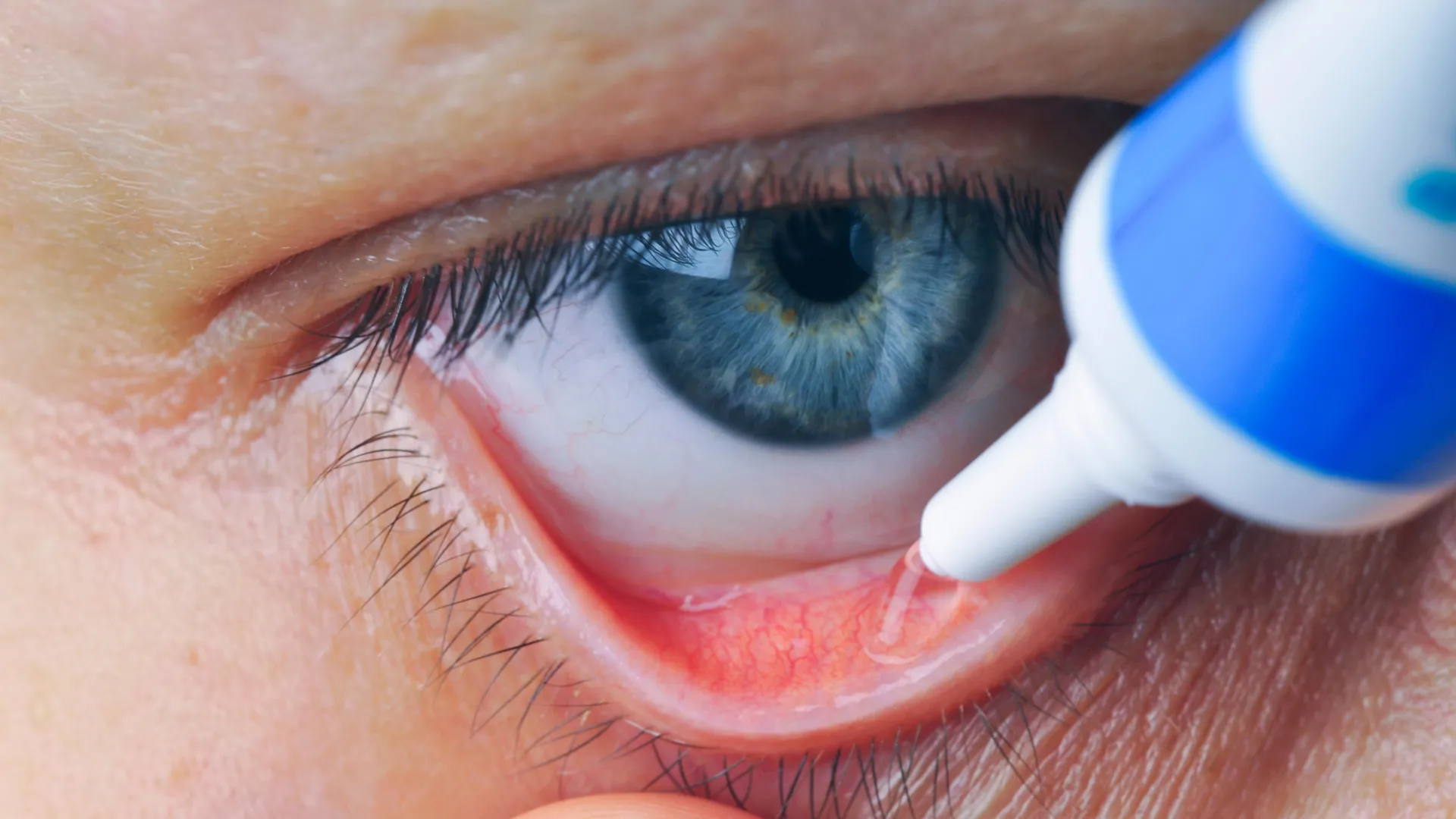
The research consortium, spearheaded by the Institute for Bioengineering of Catalonia (IBEC) and involving a multidisciplinary team from institutions including the University of Alcalá (UAH), the Institute of Advanced Chemistry of Catalonia (IQAC-CSIC), the University of Barcelona (UB), the Ramón y Cajal Institute of Health Research (IRYCIS), the Autonomous University of Barcelona (UAB), and the Fundació Eduard Soler, has engineered a novel class of photoswitchable small-molecule drugs, designated as "prosthe6." These meticulously designed compounds are engineered to assume the functional role of lost photoreceptors, effectively bridging the gap in visual signaling. Their remarkable versatility is underscored by their administration methods: they can be delivered via intravitreal injection, akin to conventional ophthalmic treatments, or even applied topically as eye drops, presenting a user-friendly and potentially less intimidating option for patients.
This innovative photopharmacological strategy hinges on the principle of reversibly controlling drug activity through the application of light. The researchers ingeniously integrated light-sensitive molecular switches into the chemical structure of the therapeutic compounds. Upon exposure to specific wavelengths of light, these switches undergo a conformational change, thereby activating or modulating the drug’s intended biological effect. In the context of vision restoration, the prosthe6 molecules are designed to target ON-bipolar neurons, a critical intermediary cell type within the retinal circuitry that normally receives input from photoreceptors. By activating these neurons directly, the prosthe6 compounds effectively bypass the dysfunctional photoreceptor layer and initiate the transmission of visual signals through the intact neural pathways.
The efficacy of this approach was rigorously tested in preclinical models. In blinded zebrafish larvae, a widely utilized model for studying visual acuity, the administration of prosthe6 resulted in the restoration of saccadic eye movements, a reflex essential for visual tracking. More compellingly, in mouse models engineered to mimic the photoreceptor loss characteristic of AMD and RP, the prosthe6 treatment successfully reinstated innate light-avoidance behaviors. Normally, healthy mice exhibit a clear preference for darker environments and actively avoid brightly lit areas, a behavior intrinsically linked to their ability to perceive light and dark. Blinded mice, deprived of this sensory input, lose this innate response. However, following treatment with prosthe6, these same mice began to spontaneously favor darker spaces, unequivocally demonstrating their regained ability to detect light and utilize this information to guide their actions, all without any prior training or external conditioning.
Crucially, this restoration of visually guided behavior was observed under illumination levels comparable to typical indoor lighting or outdoor conditions on an overcast day. This finding is particularly significant as it suggests that the prosthe6 compounds effectively restored light perception with sufficient robustness to elicit natural, visually mediated responses, a feat that has been challenging for many previous therapeutic strategies. Two specific compounds within the prosthe6 family, prosthe6-12 and prosthe6-15, exhibited particularly promising outcomes, with restored visual functions manifesting after both intravitreal injection and topical eye drop application.
The mechanism by which prosthe6 operates is elegantly described by its ability to function as a "molecular prosthesis." In healthy vision, ON-bipolar cells are instrumental in relaying information about the presence of light to downstream retinal neurons. While degenerative diseases destroy photoreceptors, the underlying circuitry, including ON-bipolar cells, often remains viable but dormant. The prosthe6 molecules target a specific protein, mGlu6, found on these ON-bipolar cells. By binding to and modulating this protein, the prosthe6 effectively substitutes for the signal normally initiated by photoreceptors upon light stimulation. When light strikes the eye, the prosthe6 molecules undergo a light-induced shape change, triggering a cascade of signaling events within the retina that closely mimics the natural visual process. This ability to reactivate the native retinal circuit at the level of the lost photoreceptors, rather than bypassing it entirely, represents a key advantage of this approach.
Furthermore, the operational characteristics of prosthe6 align favorably with practical therapeutic considerations. Unlike some optogenetic techniques that necessitate specialized light delivery systems or high-intensity illumination, prosthe6 molecules are responsive to standard visible and white light, including everyday indoor and daylight. Their small size and water-soluble nature facilitate efficient delivery and distribution within the eye. The reversibility of the drug’s action, controlled by light, also offers a significant advantage, allowing for fine-tuning of the visual response and potential cessation of treatment if necessary.
The current research findings arrive at an opportune moment, shortly after the initial clinical trial of a photopharmacological drug for vision restoration targeting a different protein, signaling a nascent transition of photopharmacology from the laboratory bench to the patient bedside. The prosthe6 technology is currently protected by patent, and the research team is actively engaged in comprehensive safety assessments and formulation development aimed at prolonging the duration of the restored visual function. To accelerate the translational development and facilitate future human clinical trials, the researchers are collaborating with Eyelumina, a nascent spin-off company poised to secure the necessary investments.
Professor Pau Gorostiza, a lead investigator from IBEC, emphasizes the long-term vision, stating, "Turning this into a therapy is a long and laborious process. But the results show that there is a realistic possibility of restoring high-quality vision with drugs, non-invasively, reversibly and with a mechanism that is independent of the specific retinal disorder or genetic mutation to reach a majority of patients." If successful in human trials, this photopharmacological approach could offer a widely accessible and economically viable alternative to existing vision restoration technologies, particularly for individuals suffering from advanced retinal degeneration for whom current treatment options are limited or nonexistent. The foundational work for this project received early financial support from the Fundaluce foundation, CaixaHealth, and various Catalan government programs, with significant contributions also coming from the CIBER-BBN valorization program. Notably, Rosalba Sortino, a co-first author of the study, was recognized with the Extraordinary Doctoral Prize from the University of Barcelona for the thesis that encompassed this groundbreaking research.
About the Author