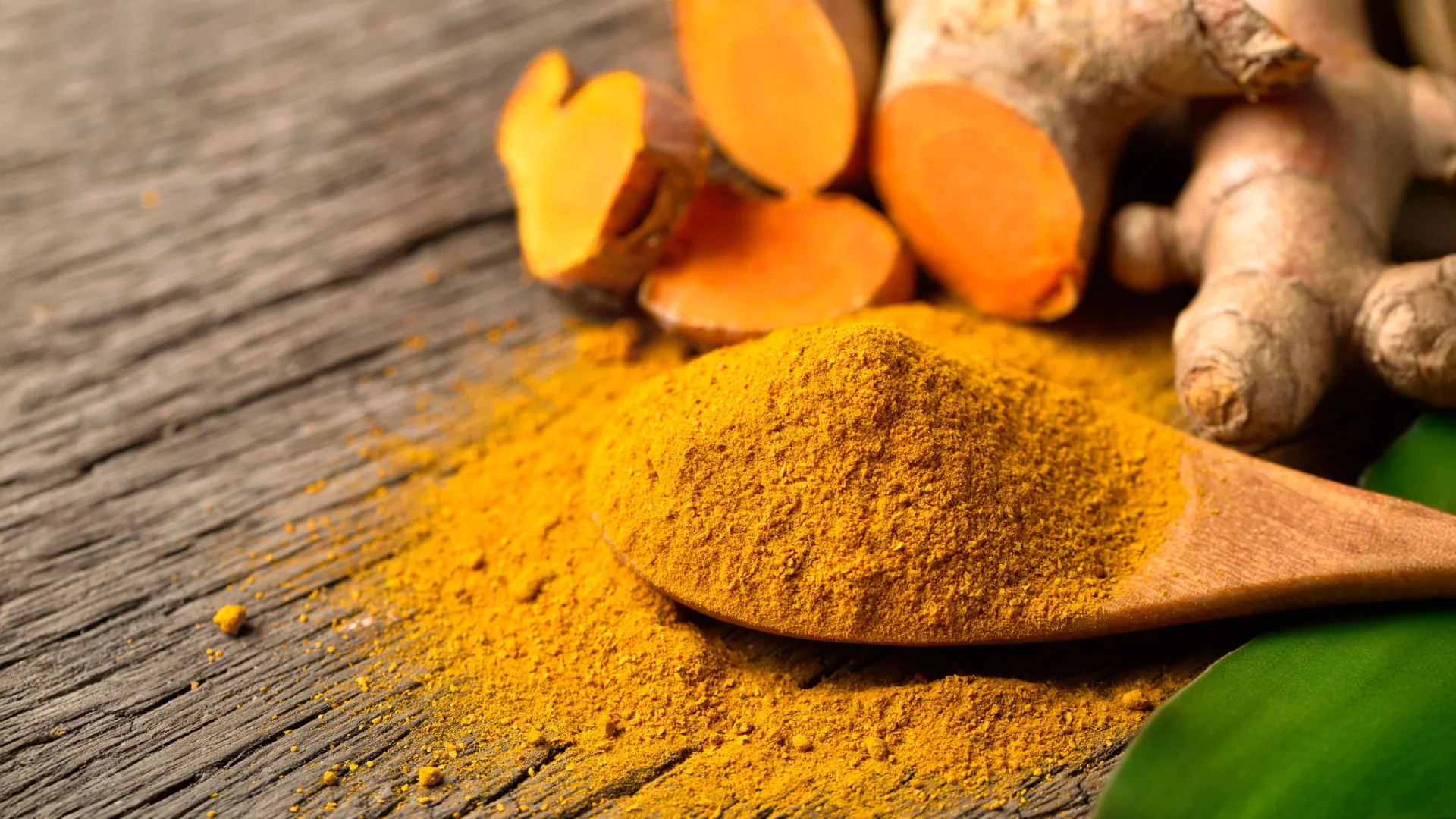
A potent natural compound, celebrated for its vibrant hue and prominent anti-inflammatory and antioxidant attributes, is now emerging from the laboratory with preliminary evidence suggesting a significant protective role against the insidious vascular damage often precipitated by diabetes. This compound, known as curcumin, the primary bioactive constituent of the spice turmeric, has been the subject of extensive scientific scrutiny, but recent investigations in preclinical models are illuminating a specific pathway through which it may safeguard the intricate network of blood vessels. The burgeoning findings, unveiled at the 2026 American Physiology Summit in Minneapolis – the premier annual gathering hosted by the American Physiological Society (APS) – point towards curcumin’s potential to not only influence metabolic markers but also to directly bolster the integrity and functionality of the vasculature.
Dr. Swasti Rastogi, a doctoral candidate at the Florida Institute of Technology and the lead author of the study, articulated a nuanced understanding of curcumin’s action. Beyond its well-established roles as an anti-inflammatory agent and antioxidant, she explained that curcumin appears to exert a multifaceted positive influence. Her research indicates that the compound can contribute to improved blood glucose regulation, a critical factor in managing diabetes, while concurrently mitigating the pervasive inflammation that characterizes the diabetic state. Furthermore, the study suggests that curcumin possesses the capacity to re-establish normal cellular signaling pathways and, crucially, to preserve both the structural integrity and operational efficiency of the aorta, the body’s largest artery, in the context of Type 1 diabetes. This comprehensive impact underscores a potential therapeutic avenue that transcends simple symptomatic relief.
The research specifically addressed the challenges posed by Type 1 diabetes, an autoimmune condition necessitating lifelong insulin management and affecting approximately 2 million individuals in the United States. While insulin therapy is indispensable, a persistent consequence of the disease is the heightened risk of cardiovascular complications, often manifesting at an earlier age. This increased susceptibility stems from the detrimental effects of sustained hyperglycemia, or elevated blood sugar levels, on the delicate endothelial lining and muscular walls of blood vessels. Over time, this chronic damage can lead to a cascade of pathological changes, significantly increasing the burden of heart disease.
To rigorously assess curcumin’s potential to counteract these diabetes-induced vascular insults, the research team employed a well-established rat model designed to replicate the physiological conditions of Type 1 diabetes. The experimental design involved a comparative analysis: one group of diabetic rats received curcumin supplementation, while a control group of diabetic rats did not. This controlled approach allowed researchers to isolate and evaluate the specific effects of curcumin administration. The outcomes observed after a one-month intervention period were striking. The diabetic rats that were administered curcumin exhibited notable improvements in their vascular health markers, reaching levels that were remarkably similar to those observed in their non-diabetic counterparts. This suggests a potent restorative effect of curcumin on the diabetic vasculature.
Delving deeper into the mechanisms underlying these observed vascular improvements, the research uncovered several key areas where curcumin demonstrated significant efficacy. The treatment appeared to markedly reduce systemic inflammation within the blood vessels, a critical step in preventing further damage. Concurrently, it facilitated a normalization of calcium signaling within the vascular smooth muscle cells. Aberrant calcium flux is a common feature of diabetic complications, impacting vascular tone and function. Moreover, curcumin played a role in rebalancing the levels of Heat Shock Protein 70 (HSP70), a vital cellular chaperone protein whose normal regulatory functions are frequently disrupted in the diabetic state. HSP70 is involved in cellular stress response and protein folding, and its dysregulation can contribute to cellular dysfunction and damage.
Collectively, these molecular and cellular effects paint a compelling picture of curcumin’s therapeutic potential. By addressing inflammation, restoring proper cellular signaling, and supporting the function of key stress-response proteins, curcumin appears to act as a potent modulator of the pathological processes that gradually compromise the structural integrity and elasticity of blood vessels. This preservation of vascular health, characterized by reduced stiffening and improved responsiveness, could translate into a significant reduction in the heightened cardiovascular risks intrinsically linked to diabetes. The ability to limit the progressive weakening and functional decline of blood vessels offers a promising strategy for improving long-term health outcomes in individuals with diabetes.
Despite the encouraging results observed in the rat model, the researchers are keen to temper expectations and emphasize the necessity for further scientific investigation before any definitive clinical recommendations can be made for human consumption. The findings, while promising, originate from studies conducted in an animal model, and direct extrapolation to human physiology requires rigorous validation. Consequently, additional research, including carefully designed human clinical trials, is an indispensable next step. These future studies will be crucial for determining whether curcumin confers similar vascular protective benefits in human populations and, critically, for establishing safe and effective dosages. Furthermore, understanding potential interactions with existing medications commonly prescribed for diabetes and other comorbid conditions will be paramount to ensuring the safe integration of curcumin-based interventions into patient care. The scientific community underscores the fundamental importance of consulting with a healthcare professional before initiating any new dietary supplement regimen, including those involving curcumin or increased turmeric intake. This cautious and evidence-based approach ensures that potential therapeutic advancements are translated into safe and effective clinical practice.
About the Author