A groundbreaking investigation into the intricate microbial ecosystems within artisanal British cheeses has revealed a fascinating duality: the very microorganisms responsible for their complex flavor profiles may simultaneously offer significant advantages for human gut health. Scientists have meticulously cataloged the bacterial inhabitants of three distinct varieties of locally produced cheeses from Oxfordshire, uncovering a compelling link between the fermentative processes that define their unique characteristics and their potential as sources of beneficial probiotics and prebiotics. This research, conducted by specialists at the Food Microbial Sciences Unit at the University of Reading, offers a novel perspective on the traditional craft of cheesemaking, suggesting that enjoyment of these culinary delights can extend beyond sensory pleasure to encompass tangible health benefits.
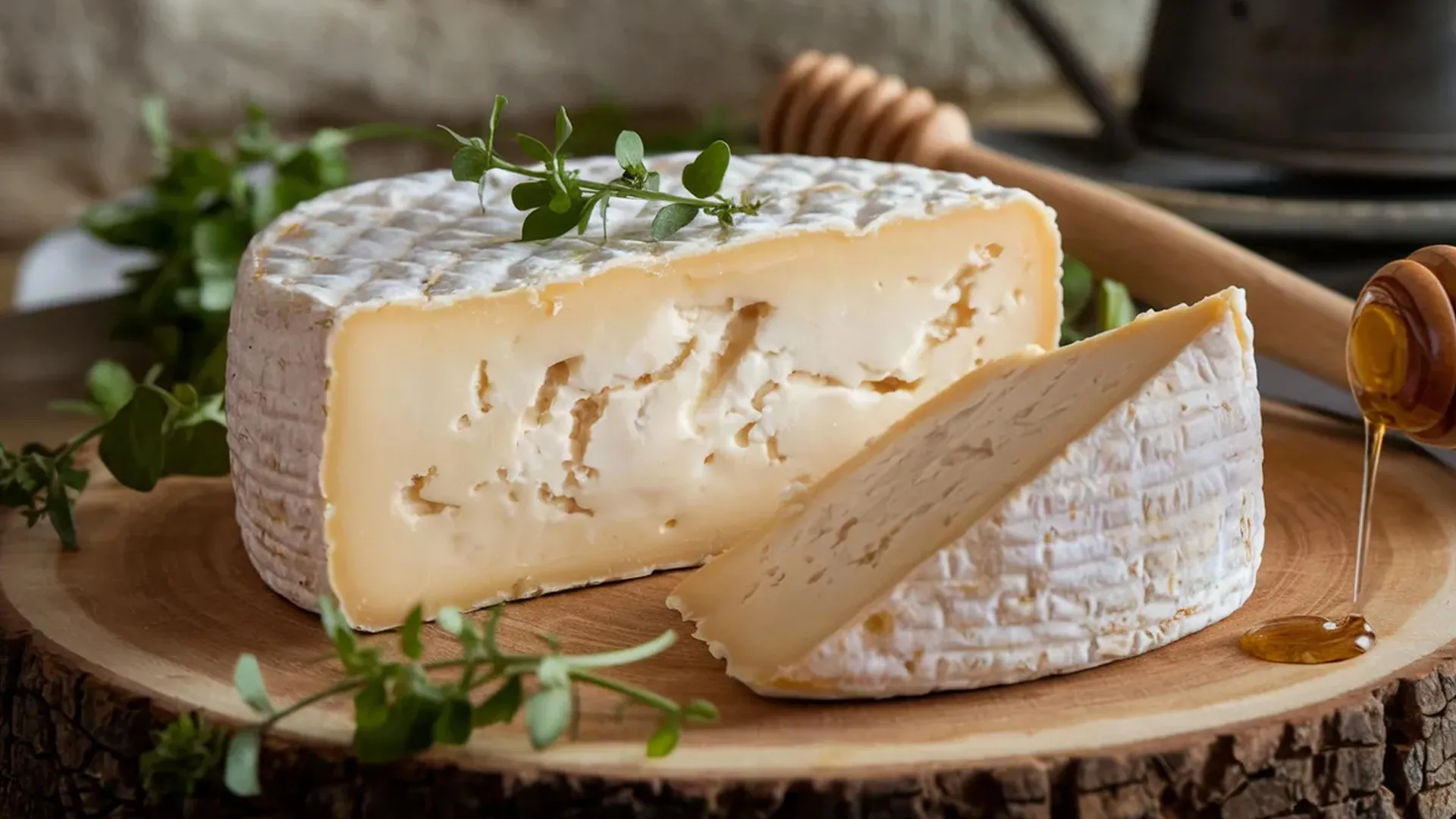
The study, a detailed exploration of microbial and biochemical transformations during the maturation of Nettlebed Creamery’s offerings, focused on a soft, white-rinded cheese with a brief ripening period of just over a week, a semi-soft cheese characterized by its washed rind and maturation spanning several weeks, and a semi-hard cheese that undergoes a prolonged nine-month aging process enveloped in hay. By systematically sampling and analyzing these cheeses at various developmental stages, researchers were able to map the evolution of their microbial communities and their associated chemical compositions. The findings, disseminated through the esteemed journal ACS Food Science & Technology, underscore the dynamic and often beneficial role played by a diverse array of bacteria throughout the cheesemaking journey.
At the heart of this research lies the intricate relationship between microbial activity and the development of desirable sensory attributes. Sabrina Longley, the lead author and a doctoral candidate within the Department of Food and Nutritional Sciences, highlighted this synergy, noting that "deliciousness in cheese is intrinsically tied to its microbial vibrancy, and the artisan varieties we examined are teeming with life that holds promise for gut well-being." She further elaborated on the complex processes at play, explaining that "the aging period orchestrates the development of more nuanced aromas and textures, largely driven by a sophisticated consortium of beneficial bacteria. Moreover, the structural matrix of fats and proteins inherent in cheese may serve as a protective shield for these microbes as they traverse the digestive system, positioning cheese as an exceptionally effective delivery mechanism for probiotics to the gut." This protective quality of the cheese matrix is a crucial aspect, potentially enhancing the survival rate of ingested beneficial bacteria, thereby maximizing their impact on the gut environment.
The investigative team’s detailed analyses revealed that all three cheese varieties harbored bacteria with scientifically recognized probiotic potential. These microorganisms are known to contribute positively to the balance of beneficial microbial populations within the human gut. A consistent presence throughout the maturation of the semi-soft and harder cheeses was Streptococcus thermophilus, a bacterium also widely recognized for its role as a starter culture in yogurt production. Equally ubiquitous, Lactococcus lactis was identified in all three cheeses from their initial stages through to their final ripened forms, suggesting its fundamental contribution to the overall microbial landscape.
Beyond these common occupants, specific bacterial strains were found to be integral to the character of particular cheese types. The washed-rind and hay-aged varieties, for instance, were found to contain Propionibacterium freudenreichii. This particular bacterium is of significant interest due to its production of propionic acid, a short-chain fatty acid with documented associations with anti-inflammatory properties, a potential role in modulating cholesterol synthesis, and a contribution to appetite regulation. The presence of such bacteria in these cheeses opens up avenues for exploring their direct impact on human metabolic and inflammatory pathways.
An intriguing discovery related to the consumption of cheese rinds further enriches the health-promoting narrative. The characteristic white mold, Penicillium candidum, which adorns the surface of the soft cheese under scrutiny, produces chitin. This complex carbohydrate is a form of dietary fiber that exhibits prebiotic properties, meaning it acts as a food source for beneficial gut bacteria. By nourishing these essential microbes, chitin can foster a more robust and favorable gut microbiota composition, contributing to improved digestive health and potentially influencing immune function. This finding provides a scientific rationale for the traditional practice of consuming cheese rinds, suggesting they offer more than just a textural counterpoint to the cheese itself.
The prolonged aging process, particularly the hay-aging method employed for the semi-hard cheese, exerted a pronounced influence on its microbial diversity. Researchers observed a substantial increase in the variety of bacterial species as the cheese matured, with the fully ripened product exhibiting nearly four times the number of bacterial species compared to its earlier stages. This exponential growth in microbial diversity during aging suggests a complex ecological succession, where different bacteria thrive at different points in the maturation process, contributing to the cheese’s evolving flavor and textural characteristics, as well as its potential health benefits.
Another significant finding pertains to the lactose content of the mature cheeses. Lactose, the primary sugar found in cow’s milk and a common source of digestive distress for individuals with lactose intolerance, was found to be present in negligible amounts in all three cheeses once they reached their mature state. This reduction is attributed to the metabolic activity of lactic acid bacteria during the fermentation process. These microbes effectively break down the majority of the lactose, transforming it into lactic acid, thereby rendering the aged cheeses significantly more digestible for a wider population. This offers a compelling benefit for individuals who typically avoid dairy products due to lactose sensitivity.
Sabrina Longley’s unique position as both a lead researcher and an active cheesemaker at the Nettlebed Creamery, which partially funded this research, provides a valuable bridge between scientific inquiry and artisanal practice. Her part-time doctoral studies, supported by a regional bursary from the University of Reading, underscore the commitment to fostering local talent and advancing understanding within the food sciences.
Despite these promising revelations, the researchers emphasize the need for further investigation. The current study has identified the presence and potential benefits of specific microbes within the cheese itself, but conclusive evidence regarding their direct impact on the human gut microbiota requires dedicated dietary intervention trials. Such studies will be crucial in elucidating how these bacterial populations behave and evolve within the complex environment of the human digestive system after consumption, and what precise physiological effects they ultimately exert on human health. The journey from identifying beneficial bacteria in cheese to fully understanding their functional impact on human physiology is ongoing, but this research marks a significant step forward in appreciating the multifaceted contributions of fermented foods to our well-being.
About the Author