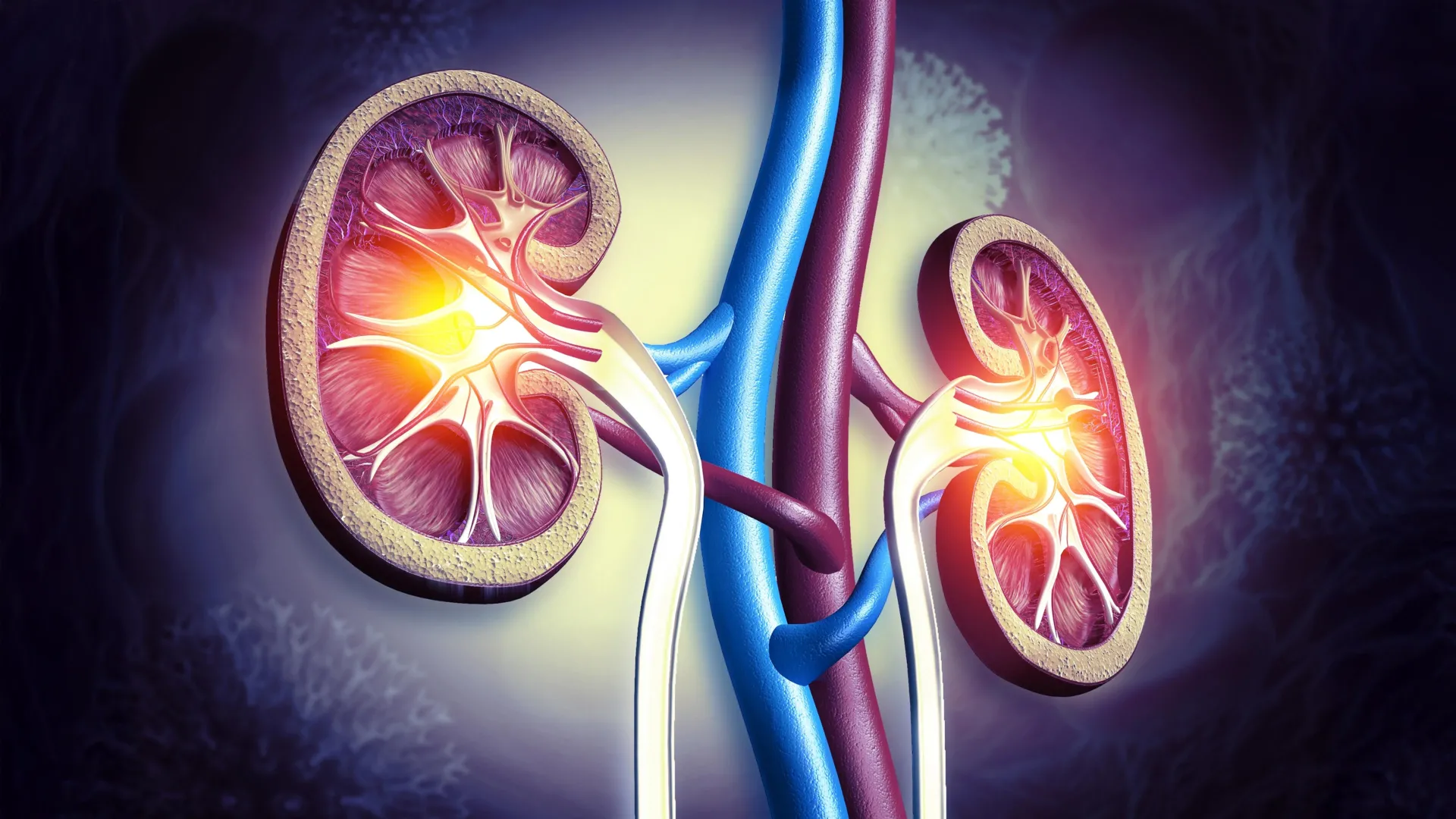
Emerging data presented at the 63rd ERA Congress has cast a spotlight on a widely utilized class of antihypertensive medications, suggesting a potentially detrimental effect on kidney outcomes in individuals battling type 2 diabetes (T2D). These findings are particularly significant as they pertain to patients already receiving modern, kidney-protective therapies, prompting a re-evaluation of current treatment paradigms for diabetic kidney disease (DKD). The research indicates that dihydropyridine calcium-channel blockers (DCCBs), often prescribed as a second-line approach for blood pressure management, could be associated with a considerably elevated risk of adverse kidney events.
Diabetic kidney disease represents a severe and increasingly prevalent complication of diabetes, standing as a leading global cause of end-stage kidney disease (ESKD), which necessitates dialysis or kidney transplantation. The condition arises when persistently elevated blood sugar levels inflict damage upon the intricate network of tiny blood vessels within the kidneys, progressively impairing their vital capacity to filter waste products and excess fluids from the bloodstream. A cornerstone of managing DKD involves rigorous control of blood pressure, as hypertension significantly accelerates this renal damage, exacerbating the decline in kidney function. Uncontrolled blood pressure can put immense strain on the kidneys, creating a vicious cycle that hastens disease progression.
In recent years, the landscape of DKD treatment has undergone a transformative shift with the advent of two pivotal classes of pharmacological agents. Renin-angiotensin system (RAS) inhibitors, encompassing ACE inhibitors and angiotensin receptor blockers (ARBs), work not only by lowering systemic blood pressure but also crucially by reducing intraglomerular pressure—the pressure within the delicate filtering units of the kidneys. This dual action provides substantial renoprotective benefits. Simultaneously, sodium-glucose cotransporter-2 (SGLT2) inhibitors, initially developed for glucose management in diabetes, have remarkably demonstrated profound nephroprotective capabilities, including a significant reduction in the risk of kidney failure and cardiovascular events. These two drug classes have firmly established themselves as foundational elements of standard care for a vast number of individuals living with DKD, marking a significant advancement in preserving renal health.
DCCBs, the focus of this new inquiry, function by relaxing the smooth muscles in blood vessel walls, leading to vasodilation and a subsequent reduction in blood pressure. Their efficacy and generally favorable tolerability profile have made them a popular choice in the cardiovascular pharmacopeia, frequently employed when initial blood pressure lowering strategies prove insufficient, particularly in complex cases like DKD where multiple agents are often required to achieve target blood pressure levels. Given their widespread use as an add-on therapy, understanding their full impact, especially in the context of newer renoprotective medications, is critically important.
The observational study, central to these new findings, meticulously analyzed health data spanning from 2016 to 2021, encompassing a substantial cohort of 31,031 adult patients diagnosed with T2D. A critical inclusion criterion for all participants was their concurrent treatment with both RAS inhibitors and SGLT2 inhibitors, ensuring that the investigation focused on patients already receiving optimal kidney-protective therapies. Within this large group, 12,172 individuals (representing 39.2%) were also prescribed DCCBs, while the remaining 18,859 patients (60.8%) were managed with alternative antihypertensive medications. The median duration of follow-up for these patients extended approximately 3.5 years, providing a robust period for observing kidney-related outcomes.
After carefully adjusting for potential confounding variables, including initial clinical characteristics and demographic differences across the patient groups, the research unveiled a statistically significant association: the use of DCCBs was linked to a 33% greater likelihood of experiencing a major adverse kidney event. Quantitatively, this translated to a hazard ratio (HR) of 1.33, with a 95% confidence interval (CI) of 1.03-1.73, indicating a non-random and substantial increase in risk. These "major adverse kidney events" were rigorously defined by the researchers as either a significant reduction in kidney filtration capacity—specifically, a decline of 40% or more in the estimated glomerular filtration rate (eGFR), which is the standard clinical measure of kidney function—or the progression to end-stage kidney disease (ESKD) necessitating renal replacement therapy such as dialysis or kidney transplantation.
Dr. Timna Agur, the lead author of this seminal study, underscored the clinical relevance of these findings, stating, "DCCBs are widely used as second-line blood pressure treatments in patients with DKD. Our findings raise important questions about whether these medications are always the best option for patients already receiving modern kidney-protective therapies." This comment highlights a potential paradigm shift, urging clinicians to reconsider established prescribing patterns in light of the complex interplay between various antihypertensive agents and renal hemodynamics.
The researchers posited a compelling hypothesis to explain the observed association, focusing on how DCCBs might uniquely influence blood flow dynamics within the kidneys. In the context of DKD, the kidneys are often characterized by elevated internal pressures and a state known as hyperfiltration, where the filtering structures (glomeruli) are subjected to excessive strain. DCCBs achieve their vasodilatory effect by relaxing the smooth muscles in blood vessels. However, their action might be more pronounced on the afferent arterioles, which are the small arteries carrying blood into the glomeruli, compared to the efferent arterioles, which carry blood away from them. This differential effect could lead to an unfortunate imbalance, potentially increasing the pressure inside the glomeruli despite a reduction in systemic blood pressure. This heightened intraglomerular pressure, in turn, could exacerbate the already compromised filtering units, contributing to ongoing kidney damage and potentially undermining the renoprotective effects of RAS and SGLT2 inhibitors. This mechanism offers a plausible biological explanation for why a drug intended to be beneficial for blood pressure could paradoxically contribute to kidney deterioration in this specific patient population.
Dr. Agur further elaborated on the team’s initial assumptions, noting, "We initially thought the kidney-protective effects of SGLT2 inhibitors might counterbalance the potential harms associated with DCCBs. However, the increased risk of kidney disease progression appeared to persist even in this group." This statement underscores the unexpected nature of the findings and emphasizes the complexity of managing multi-drug regimens in patients with chronic conditions. The persistence of risk even in patients on SGLT2 inhibitors suggests that the proposed mechanism of intraglomerular pressure elevation by DCCBs might be sufficiently potent to override or diminish the protective benefits conferred by these advanced therapies, prompting a critical reassessment of their combined use.
It is crucial to acknowledge that, given the observational nature of this study, it cannot definitively establish a direct causal relationship between DCCB use and poorer kidney outcomes. While the strong association observed warrants serious consideration, the researchers emphasize that further investigation is imperative. However, the sheer ubiquity of DCCB prescription in patients with DKD means that even a correlation, let alone a causal link, carries profound implications for public health and clinical practice. The potential for an increased kidney risk, even if modest on an individual level, could translate into a substantial burden of kidney disease progression across large patient populations.
In her concluding remarks, Dr. Agur called for robust future research: "Further prospective studies and randomized controlled trials are needed to confirm these observations and better define the safest blood pressure treatment strategies for patients with DKD." These types of studies, which involve active intervention and random assignment, are essential to definitively prove causation and to establish evidence-based guidelines for optimal antihypertensive therapy in this vulnerable patient group. She reiterated the broad impact, adding, "However, given how commonly these medications are prescribed, any increase in kidney risk could have important implications for large numbers of patients with DKD." This highlights the urgency of addressing these findings to ensure that therapeutic choices for hypertension in T2D patients with DKD are truly optimized for long-term renal health. The delicate balance required in managing hypertension in DKD, coupled with the introduction of highly effective renoprotective agents, necessitates a continuous re-evaluation of all components of a patient’s medication regimen.
About the Author