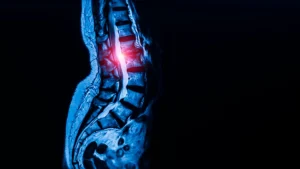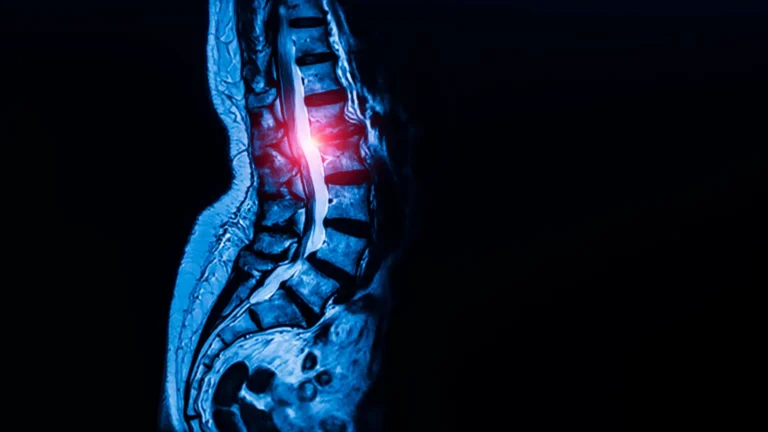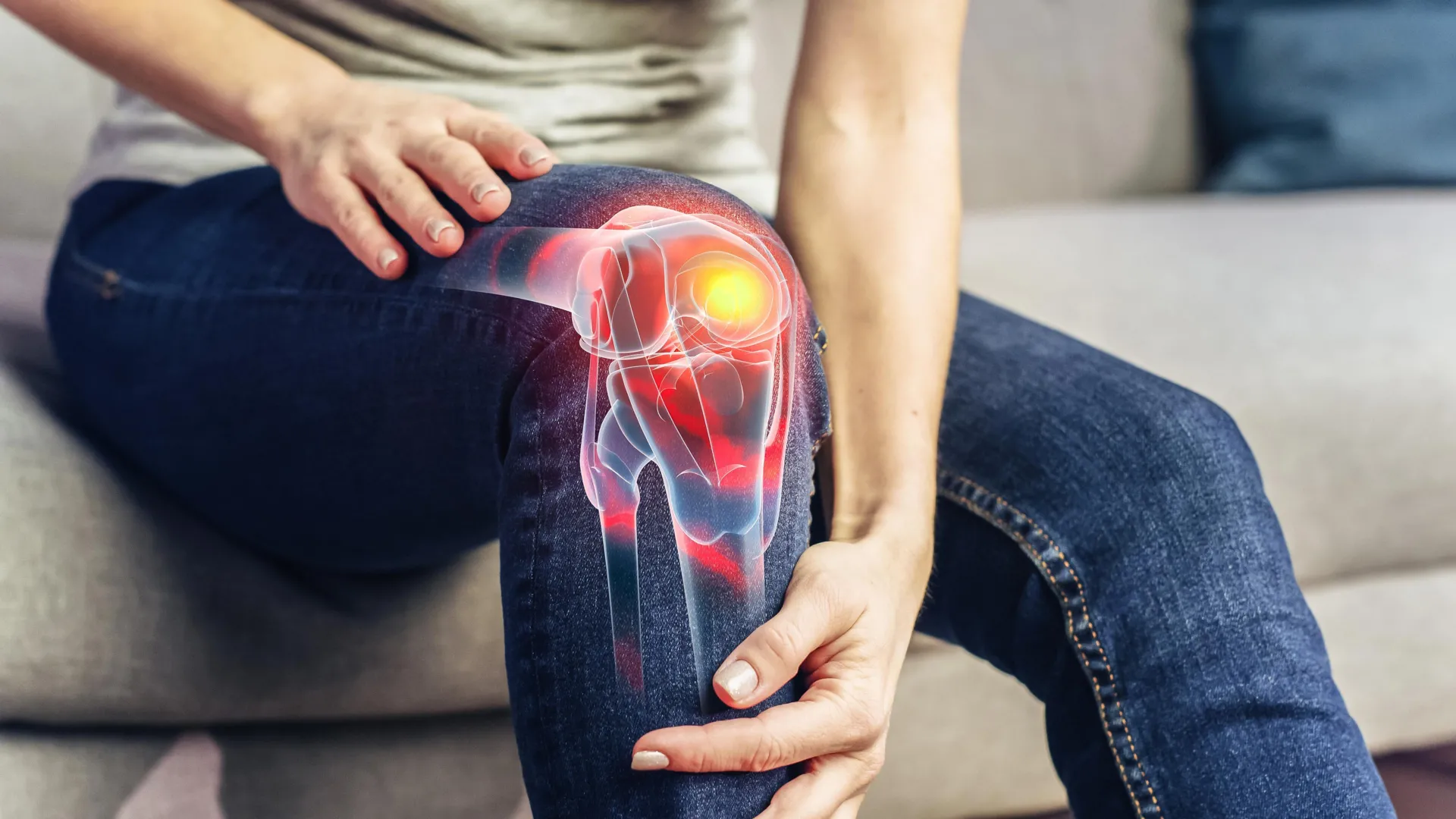
The inevitable process of aging brings with it a host of physiological changes, and the gradual decline in joint resilience stands as a prominent concern for many. As individuals progress through their life stages, the intricate structures that facilitate movement, once remarkably robust and forgiving, begin to exhibit diminished capacity. This decline is fundamentally linked to a natural reduction in the quantity of articular cartilage, a vital connective tissue characterized by its strength and flexibility, and the accompanying lubricating synovial fluid within the joints. This biological reality can sometimes foster a perception that physical activity, particularly exercise, is counterproductive for those experiencing joint discomfort, leading some to erroneously conclude that avoidance is the wisest course of action. However, a deeper examination of the science reveals a compelling counter-narrative: with a judicious and informed strategy, exercise can indeed serve as a powerful ally in safeguarding and even enhancing joint health, offering a proactive means to mitigate discomfort.
At the core of each articulating joint lies articular cartilage, a specialized tissue that forms a protective covering over the terminal ends of bones. This smooth, resilient layer is indispensable for shock absorption and provides a frictionless surface, enabling seamless articulation during a vast spectrum of physical actions. Complementing the role of cartilage is synovial fluid, a viscous liquid that acts as an internal lubricant for major joints such as the knees, hips, and shoulders. This fluid not only minimizes abrasive friction between the opposing cartilage surfaces but also plays a crucial role in delivering essential nutrients to the cartilage itself. The inherent vulnerability of cartilage lies in its limited capacity for self-repair, a characteristic largely attributed to its avascular nature, meaning it lacks a direct blood supply to facilitate healing processes.
The progressive deterioration of this crucial cartilage tissue is medically termed osteoarthritis, a widespread degenerative condition that impacts an estimated 500 million individuals globally. The discomfort associated with osteoarthritis is most frequently localized in weight-bearing joints, including the knees, hips, and the vertebral column, due to the increased mechanical stress they endure.
The mechanics of synovial fluid distribution are intrinsically tied to physical movement; therefore, engaging in exercise acts as a catalyst for circulating this vital fluid and its nutrient payload to the cartilage. Concurrently, the muscular structures that encircle the joints function as integral shock absorbers. By fortifying these surrounding muscles, through activities such as resistance training, individuals can effectively lessen the mechanical load borne by the joints. Research indicates a particular efficacy in strengthening the quadriceps, a prominent muscle group situated at the anterior aspect of the thigh, for its significant contribution to alleviating joint pain. A comprehensive and highly influential Cochrane review, which systematically analyzed a broad spectrum of evidence pertaining to the impact of exercise on osteoarthritis, concluded that physical activity demonstrably reduces pain and enhances functional capacity in individuals diagnosed with knee osteoarthritis. Furthermore, the review highlighted that the benefits of exercise in managing osteoarthritis are comparable to those derived from anti-inflammatory medications, but crucially, without the associated adverse side effects.
Beyond its direct biomechanical benefits, exercise also plays a role in maintaining proprioception, the body’s innate capacity to sense its own position, orientation, and movement within space. This sensory input, which naturally diminishes with advancing age, diminishes the brain’s ability to accurately interpret spatial cues, potentially leading to uneven weight distribution across the joints and accelerating their wear and tear. However, engaging in exercise on varied and even dynamically unstable surfaces can actively counteract this degenerative process. Such activities compel the ankle, knee, and hip joints to make rapid, compensatory adjustments in their movement patterns, thereby maintaining their engagement and promoting continued flexibility.
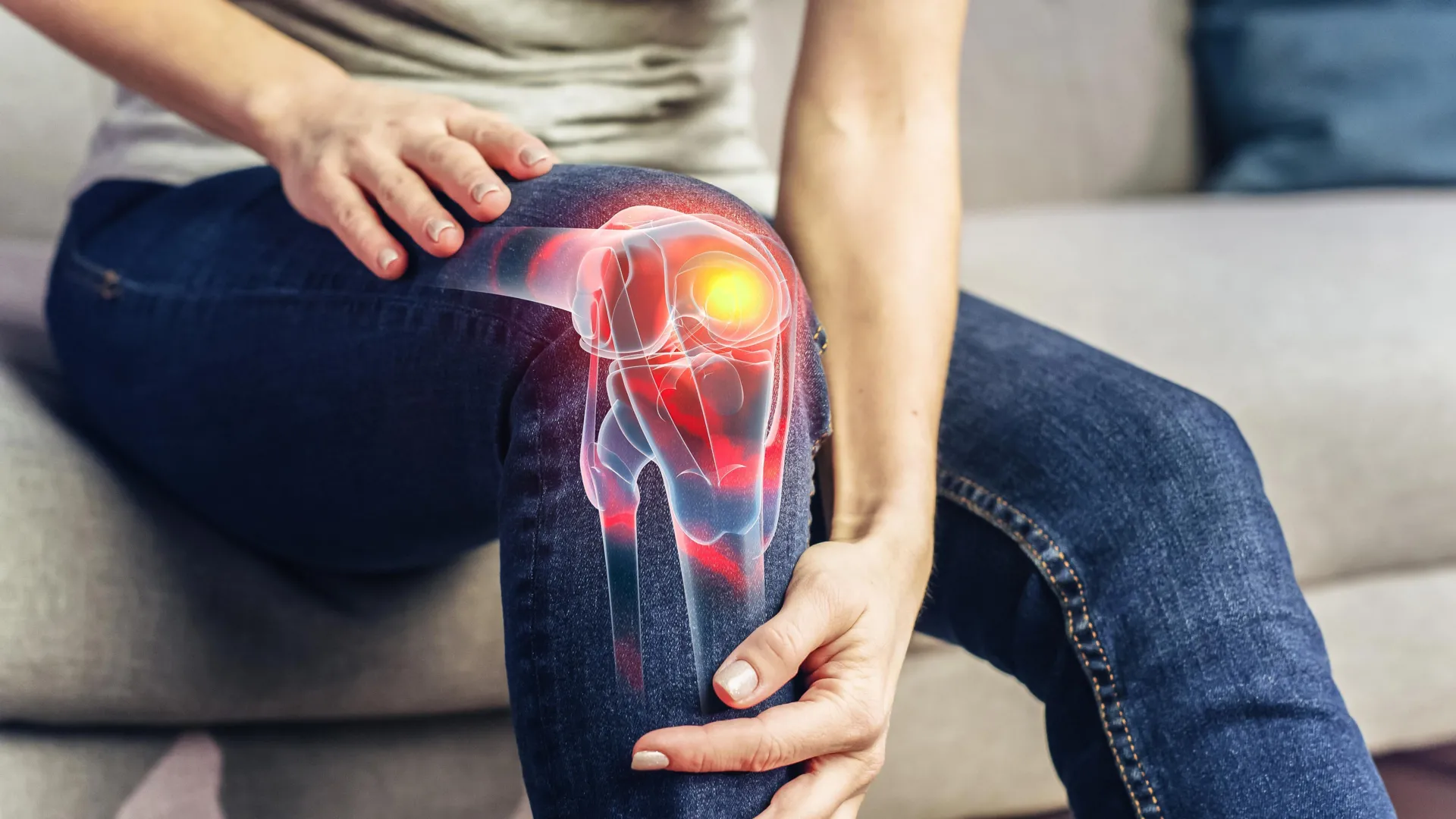
Low-impact exercises are characterized by the principle of maintaining continuous contact with a supporting surface, such as the ground, or by utilizing external support systems, thereby minimizing the magnitude of force and weight transmitted through the joints. Activities like swimming and water aerobics exemplify this category, as the buoyancy of water can support up to 90% of an individual’s body weight, significantly reducing joint stress. Cycling also presents a beneficial option for joint health, particularly for the knees. Tai chi, a discipline rooted in gentle, flowing movements and mindful breathing techniques, has emerged as another valuable exercise modality. Emerging research suggests that Tai chi can be as effective as formal physical therapy interventions for individuals managing knee osteoarthritis. Similarly, yoga contributes to joint well-being by strengthening the musculature surrounding the joints and improving overall suppleness.
Walking, often overlooked, warrants special consideration, particularly when undertaken on irregular terrains such as grass, gravel, or natural trails. Such surfaces actively engage proprioceptive mechanisms, aiding in the maintenance of balance and joint stability. A notable 2026 study underscored the significant improvements in postural control, the ability to maintain a stable bodily orientation, observed in older adults who participated in unstable surface training. Moreover, a systematic review examining the effects of balance-challenging exercises revealed a substantial reduction in fall rates by approximately 23%. This finding is particularly pertinent given that falls represent the leading cause of injury-related mortality among individuals over the age of 65.
For those new to low-impact exercise, a phased and mindful approach is recommended to ensure both safety and optimal effectiveness. Commencing with modest durations and intensity is paramount. The use of readily available natural environments, such as parks with grassy areas, offers an immediate opportunity to engage in walking on varied surfaces, even a ten-minute stroll across a lawn can contribute to enhanced joint mobility. Simple balance exercises, such as standing on one leg while performing routine activities like brushing teeth, can be initiated on stable ground, aiming for sustained periods of 30 seconds per leg. Progression can then involve transitioning to slightly less stable surfaces like a folded towel or a foam pad, with the crucial understanding that mastery of each level of difficulty should precede advancement.
Prioritizing safety is non-negotiable when engaging in any form of physical activity. It is advisable to perform low-impact exercises in close proximity to a stable support, such as a park bench or a bathroom vanity. For those undertaking walking as their primary form of exercise, the use of walking poles can provide an invaluable source of stability and support. A critical cautionary note is to abstain from exercising on unstable surfaces when experiencing fatigue, as this significantly increases the risk of missteps and potential injury.
Recognizing that no exercise regimen is entirely devoid of risk is essential. For instance, holding a yoga pose beyond one’s current flexibility limits could inadvertently strain the lower back, shoulders, or knees. Similarly, executing deep squats or lunges with improper form can place undue pressure on the knee joints. Therefore, before embarking on any new exercise program, consulting with a certified exercise physiologist or a qualified physiotherapist is highly recommended. These professionals possess the expertise to design a personalized exercise plan tailored to an individual’s specific needs, physical condition, and fitness goals, thereby maximizing benefits while minimizing potential risks.
In conclusion, while the inherent processes of aging inevitably contribute to the wear and tear experienced by our joints, the consistent and appropriate application of low-impact exercise offers a potent countermeasure. Embracing such physical activity, regardless of one’s age, represents a valuable investment in maintaining joint health and mitigating the discomfort that can accompany the natural aging process.
About the Author