In a significant shift within the competitive quick-service restaurant (QSR) landscape, Jersey Mike’s Subs has ascended to the pinnacle of customer satisfaction, concluding a remarkable streak held for over a decade by Chick-fil-A. The latest findings from the American Customer Satisfaction Index (ACSI®) Restaurant and Food Delivery Study 2026 reveal a new leader in consumer preference, highlighting evolving dynamics in an industry constantly adapting to changing tastes and expectations. This unexpected outcome marks a pivotal moment, as a sandwich purveyor claims the top spot for the first time in recent memory, nudging the beloved chicken chain into second place.
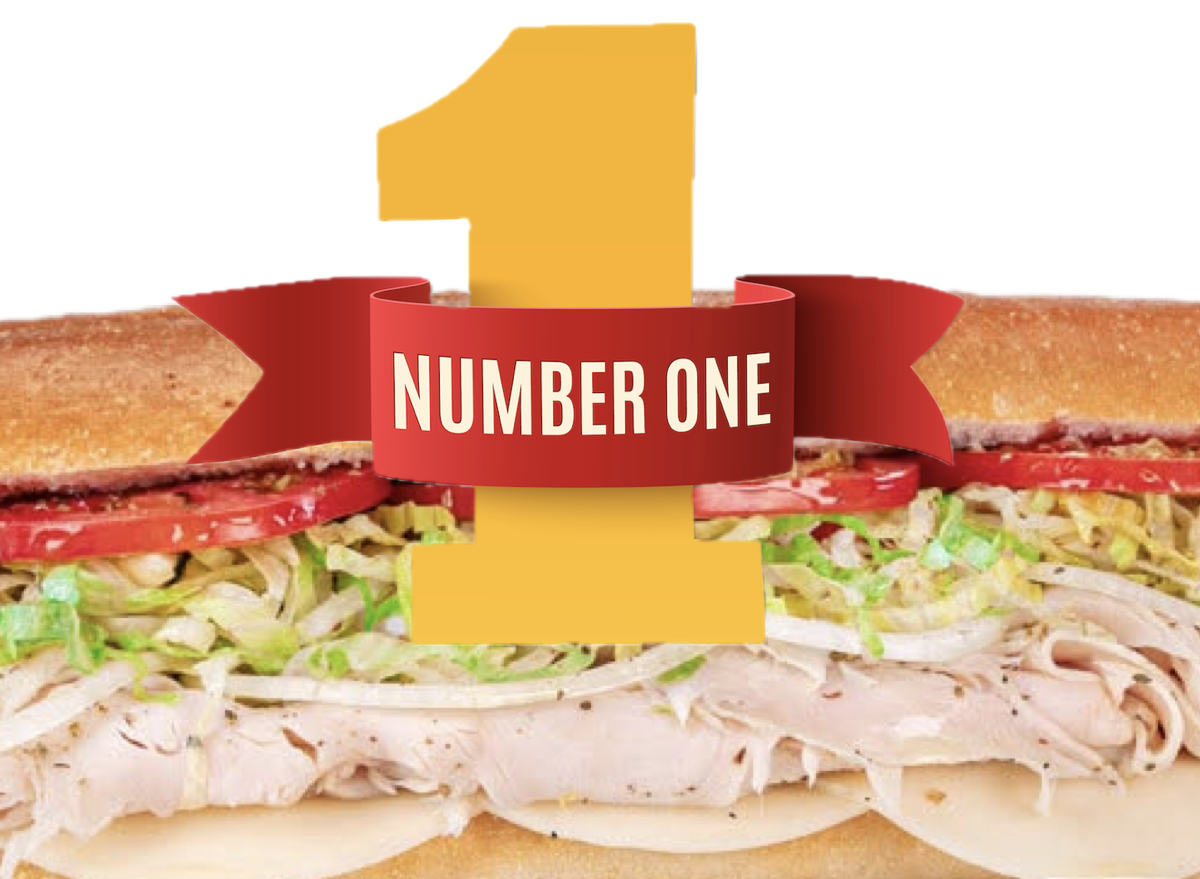
The ACSI, a nationally recognized economic indicator of customer evaluations, serves as a crucial benchmark for businesses across various sectors. Its annual Restaurant and Food Delivery Study meticulously assesses fast-food and full-service establishments based on a comprehensive array of factors, including the quality of food, service efficiency, perceived value, and overall customer experience. For 2026, Jersey Mike’s achieved an impressive ACSI score of 84, surpassing Chick-fil-A, which maintained its robust score of 83. This single-point difference, while seemingly small, represents a monumental shift, signifying that Jersey Mike’s has successfully captured a slightly higher degree of consumer delight and loyalty than its formidable predecessor.
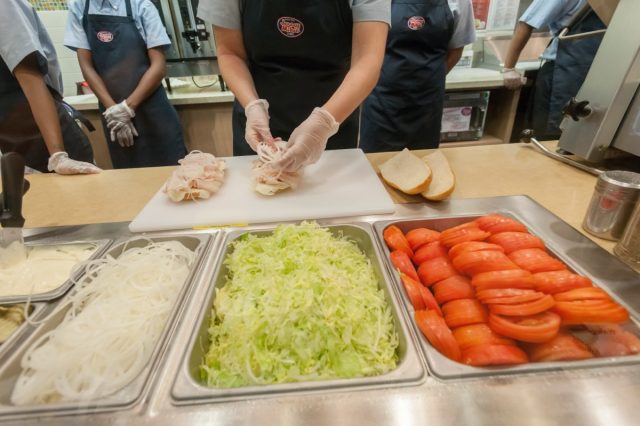
Jersey Mike’s, a brand originating from the New Jersey shore, has long cultivated a reputation for its distinctive approach to sandwich making. Its ascent to the leading position, according to ACSI, is attributed to several core strengths that resonate deeply with contemporary consumers. Primary among these factors are the brand’s unwavering commitment to "freshness," the perceived "food variety" offered, and its strong "value proposition." In an era where consumers are increasingly scrutinizing the quality of ingredients and preparation, Jersey Mike’s emphasis on slicing meats and cheeses fresh in front of customers, a practice reminiscent of traditional delis, appears to have significantly contributed to its high marks for freshness. This transparency in preparation builds trust and enhances the perception of quality, differentiating it from many competitors.
Furthermore, the concept of "food variety" within Jersey Mike’s relatively focused menu warrants deeper examination. While it doesn’t boast an expansive menu like some burger giants, the brand excels in offering a diverse range of hot and cold submarine sandwiches, coupled with extensive customization options. This empowers customers to tailor their orders precisely to their preferences, from choice of bread and toppings to the signature "Mike’s Way" dressing (onions, lettuce, tomatoes, oil, vinegar, and spices). This blend of focused offerings with high customizability allows for both efficiency in operations and a perception of personalized choice, contributing to satisfaction without overwhelming the customer with too many decisions.
The "value" aspect, as identified by ACSI, extends beyond mere pricing. In the QSR segment, value is often a complex equation balancing quality, quantity, service, and cost. Jersey Mike’s appears to have struck an optimal balance, where customers feel they are receiving a premium product and experience commensurate with the price paid. This perceived value is a powerful driver of repeat business and positive word-of-mouth, critical for sustained growth in a competitive market.
Beyond these fundamental attributes, the study also points to several operational and strategic elements underpinning Jersey Mike’s success. Its "small menu" paradoxically contributes to efficiency and consistency, allowing staff to master preparation processes and minimize errors, which directly impacts customer satisfaction. The brand’s ability to meet "high customer demand" effectively, particularly through robust "digital-pickup usage," reflects a successful adaptation to modern consumer behaviors. In an age where convenience and speed are paramount, streamlined digital ordering and efficient in-store pickup minimize wait times and enhance the overall experience. Moreover, its "rapid expansion" and "effective franchise model" suggest a strong, scalable operational framework that ensures consistent brand standards and customer experiences across its growing footprint, a crucial factor in maintaining satisfaction as a chain grows.
For more than ten years, Chick-fil-A has been the undisputed leader in ACSI’s fast-food rankings, renowned for its unparalleled customer service, consistent food quality, and operational excellence. This year, while Jersey Mike’s edged it out, it is crucial to note that Chick-fil-A’s satisfaction score remained steadfast at 83. This remarkable consistency underscores the brand’s enduring strength and its ability to meet, if not exceed, customer expectations year after year. Chick-fil-A’s dedication to meticulous service, high-quality chicken products, and a distinctive corporate culture has fostered a loyal customer base that continues to rate it among the very best. Its continued strong performance, even in a year it was surpassed, speaks volumes about its deeply ingrained customer-centric philosophy and operational discipline.
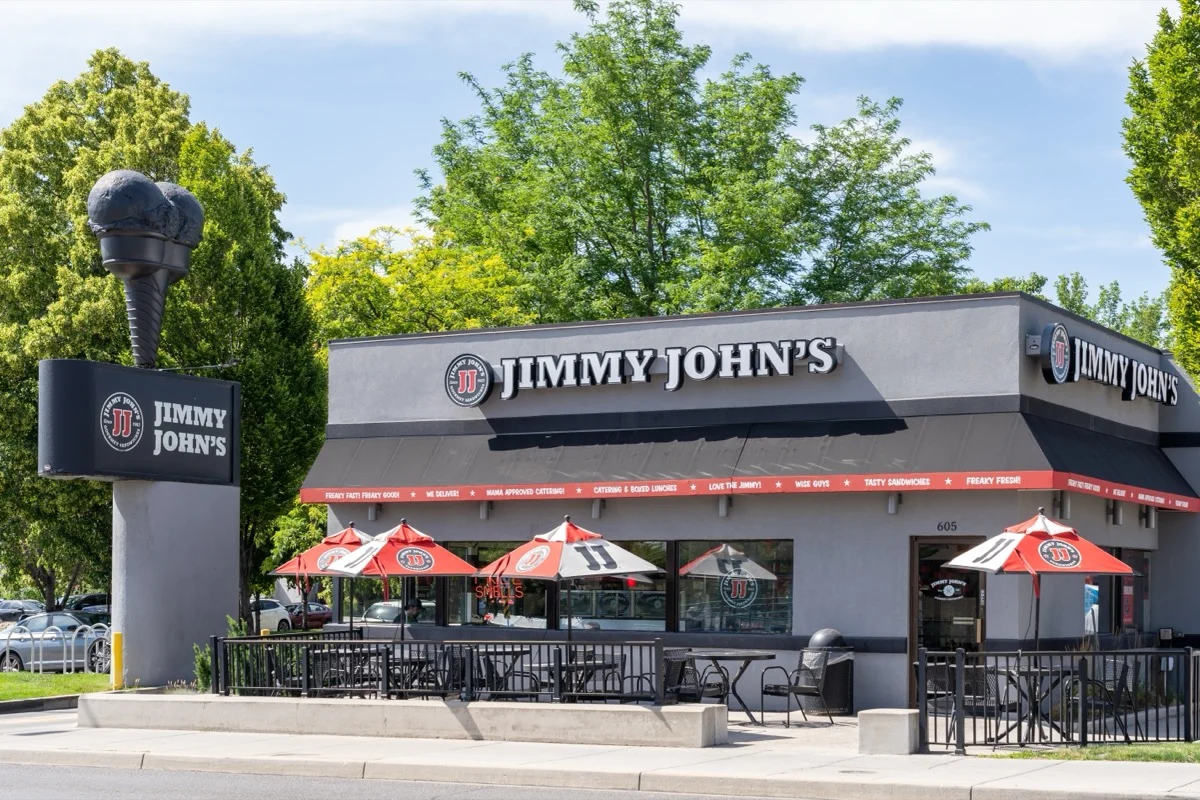
The ACSI study also offers granular insights into specific QSR categories, revealing other noteworthy performances. Within the broader sandwich chain category, Jersey Mike’s naturally led the pack with its score of 84. It was followed by Jimmy John’s at 81, Subway at 79, and Arby’s at 77. Interestingly, the ACSI report indicated that while Jersey Mike’s and Jimmy John’s excelled overall, they did not perform exceptionally well in sub-categories related to specific food quality and order accuracy metrics. This nuance suggests that overall satisfaction can be a complex interplay of many factors, where strengths in areas like freshness and service can sometimes offset minor perceived shortcomings in other areas.
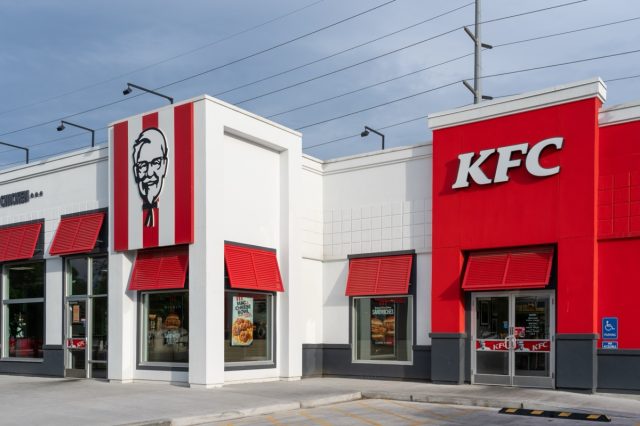
In the highly competitive chicken segment, Chick-fil-A emphatically retained its dominant position, securing a score of 83. Its closest competitor, KFC, showed significant improvement, jumping by 4% to a score of 80. This notable rise for KFC is largely attributed to its concerted efforts to refresh its brand image, revamp its menu, and enhance the overall restaurant experience. Following them were Raising Cane’s at 79, Wingstop at 77, and Popeyes at 73. KFC’s success in boosting its score illustrates the tangible impact of strategic investments in brand revitalization and customer-facing improvements.
Beyond the top contenders and category leaders, the ACSI study also highlighted brands that achieved the most significant year-over-year improvements. Sonic Drive-In emerged as the biggest gainer, experiencing an impressive 5% increase in its satisfaction score, rising from 73 to 77. This surge is partly credited to Sonic’s astute capitalization on emerging trends, such as the popularity of "dirty sodas" – customized soda drinks often mixed with cream and flavorings – which resonated particularly well with its target demographic. This demonstrates the power of menu innovation and trend-spotting in driving customer engagement and satisfaction. Other brands also showcased positive momentum: Subway improved by 4% to 79, signaling the potential success of its ongoing brand rejuvenation and menu simplification strategies. Wendy’s and McDonald’s each saw their scores climb by 3%, reflecting their continuous efforts to enhance customer experience, whether through menu updates, digital initiatives, or operational refinements.
Despite these positive trends for several major players, the bottom of the rankings remains a challenging territory. For the second consecutive year, McDonald’s occupied the lowest position among the 28 individually rated QSR brands. Although it did improve its score by 3% from 70 to 72, this gain was insufficient to lift it out of the bottom tier. Dairy Queen also registered a score of 72, but notably, unlike McDonald’s, it did not show any improvement from the previous year. Popeyes, at 73, experienced a 3% decline over the past year, indicating potential challenges in maintaining its service quality or meeting evolving customer expectations. The consistent struggle of major global brands like McDonald’s to significantly elevate their customer satisfaction scores underscores the immense operational complexities involved in serving billions of customers worldwide while striving for consistency and quality across a vast franchise network.
The 2026 ACSI Restaurant and Food Delivery Study provides invaluable insights into the dynamic preferences of American consumers in the fast-food sector. Jersey Mike’s ascent to the top signals a growing consumer appreciation for fresh ingredients, personalized experiences, and efficient, value-driven service. While Chick-fil-A’s legacy of excellence remains strong, this shift indicates that even the most dominant brands must continuously innovate and adapt to stay ahead in a fiercely competitive industry. The report also highlights the significant impact of strategic brand refreshes and timely trend adoption, as evidenced by the gains made by KFC and Sonic. Ultimately, customer satisfaction remains the ultimate arbiter of success, driving loyalty, market share, and long-term viability in the ever-evolving quick-service restaurant landscape.
About the Author