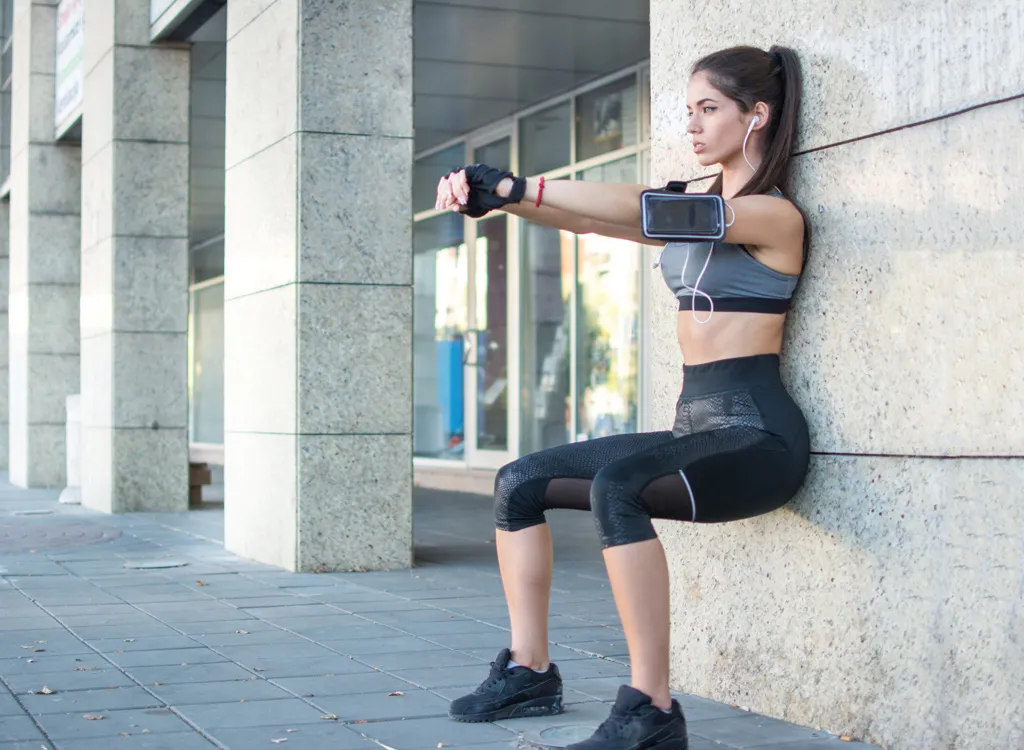
As individuals progress into their senior years, maintaining physical autonomy becomes an increasingly important aspect of overall well-being and quality of life. A fundamental component of this independence is robust lower body strength, which underpins the ability to perform everyday tasks with ease and confidence. Among the various assessments available, the wall sit emerges as a remarkably straightforward, yet profoundly insightful, exercise for gauging and enhancing muscular endurance in the legs, particularly for those over the age of sixty. This isometric exercise, requiring only a flat wall and a timer, offers a unique window into an individual’s capacity to sustain muscular effort, a characteristic crucial for navigating the demands of daily living.
The physiological phenomenon of sarcopenia, the age-related loss of muscle mass and strength, typically commences around the age of 30 and accelerates significantly after 60. This gradual decline can profoundly impact mobility, balance, and overall functional capacity, elevating the risk of falls and diminishing an individual’s ability to live independently. Strong, resilient legs are not merely an aesthetic goal; they are a prerequisite for essential actions such as rising from a seated position, ascending and descending stairs, carrying groceries, traversing uneven terrain, and remaining upright for extended periods during social outings or errands. The wall sit directly addresses this need by challenging the musculature responsible for these critical movements, providing a measurable metric for an individual’s lower body "staying power."
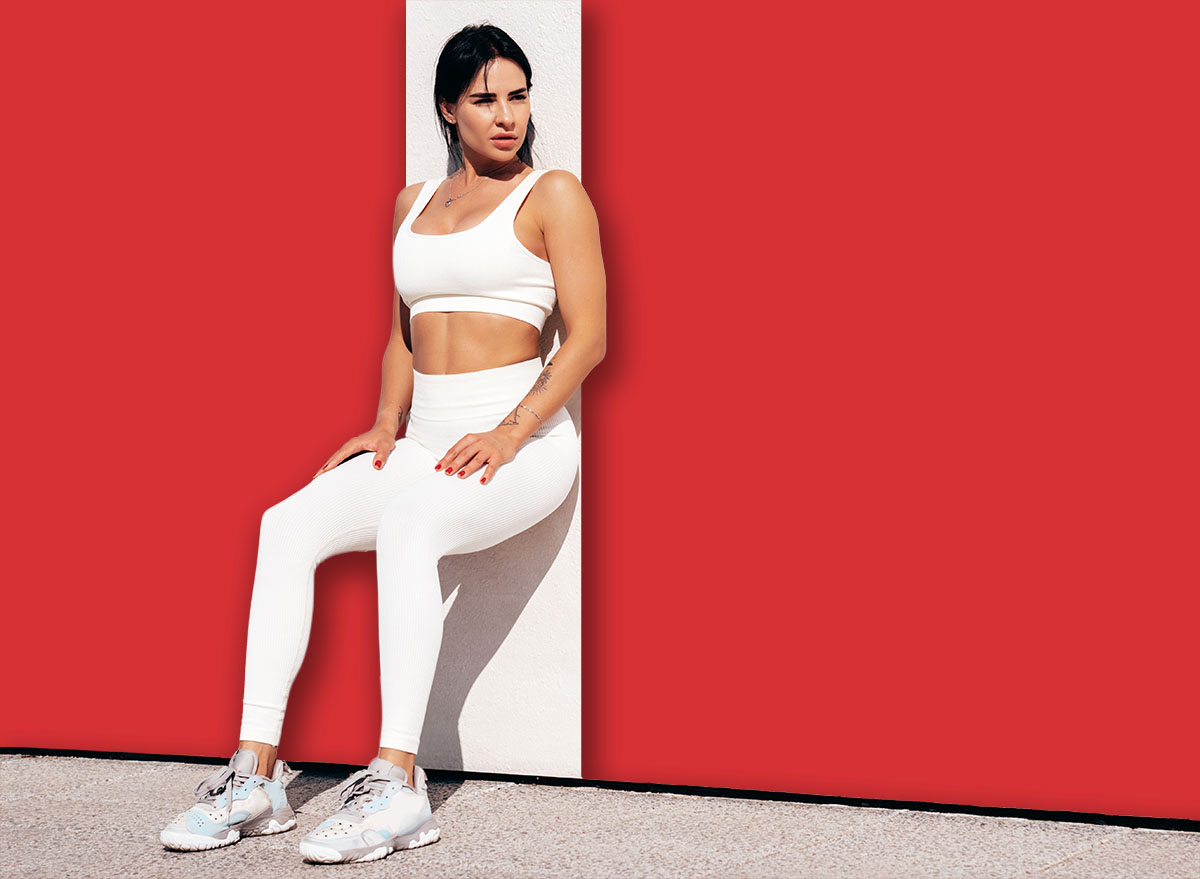
What makes the wall sit particularly effective as both a diagnostic tool and a training exercise for older adults lies in its isometric nature. Unlike dynamic movements that involve joint articulation through a range of motion, an isometric contraction means muscles are activated and tension is generated without any change in muscle length or joint angle. In the context of a wall sit, the body assumes a seated posture against a wall, with the knees bent and thighs ideally parallel to the floor. The quadriceps, hamstrings, glutes, and even core muscles engage in a sustained contraction to maintain this static position. This type of muscular engagement is highly beneficial for several reasons. Firstly, it places consistent tension on the muscle fibers, which is a potent stimulus for strength development and hypertrophy, helping to counteract sarcopenia. Secondly, because there is no joint movement, the exercise is inherently low-impact, making it gentler on knees, hips, and ankles—joints that may experience age-related wear or arthritic changes. This reduced stress allows individuals to build strength without exacerbating existing joint discomfort.
Furthermore, the wall sit specifically targets strength endurance, a distinct component of physical fitness that is often more relevant to daily function than maximal strength alone. While maximal strength refers to the greatest force a muscle can exert in a single effort, strength endurance is the ability of a muscle or group of muscles to sustain repeated contractions or a static hold over a period. Imagine the effort required to walk through a large supermarket, stand in line, or navigate an airport; these activities demand sustained muscular output, not just a single burst of power. The wall sit, by forcing the muscles to work continuously against gravity in a fixed position, directly cultivates this vital strength endurance, translating into greater resilience for prolonged physical activities. It also enhances neuromuscular control, improving the communication between the brain and muscles, which contributes to better balance and stability—key factors in fall prevention.
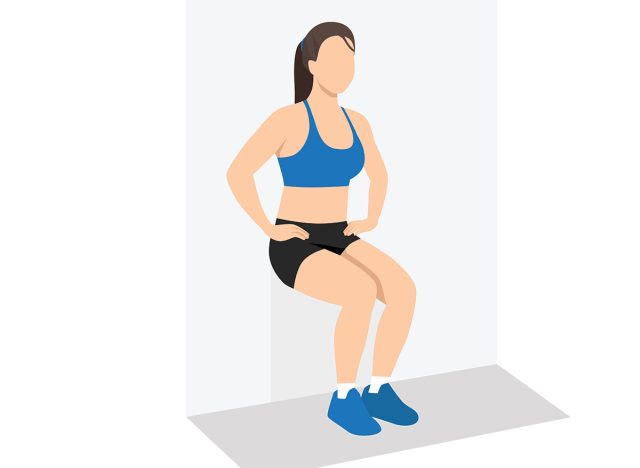
Executing a wall sit effectively requires attention to proper form to ensure both safety and accurate assessment. To begin, stand with your back against a sturdy wall, then slowly slide down until your knees are bent at approximately a 90-degree angle, as if sitting in an invisible chair. Your thighs should ideally be parallel to the floor, and your shins perpendicular. Crucially, your feet should be flat on the ground, positioned about shoulder-width apart, with your ankles directly beneath your knees. It is vital to maintain a flat back against the wall throughout the exercise, engaging your core muscles to prevent arching of the lower spine. Your arms can rest comfortably at your sides or across your chest. Avoiding placing your hands on your knees for support is important, as this compromises the test’s integrity. For individuals new to the exercise or those with limited strength, starting at a higher squat depth (e.g., knees bent at 100-110 degrees) is a sensible modification, gradually working towards the full 90-degree angle as strength improves. The beauty of this exercise lies in its adaptability; variations like high wall sits (less depth), standard wall sits (90 degrees), weighted wall sits (holding a weight on the lap), banded wall sits (resistance band around knees), or single-leg wall sits can be incorporated as progression allows, offering continuous challenges for advancing strength.
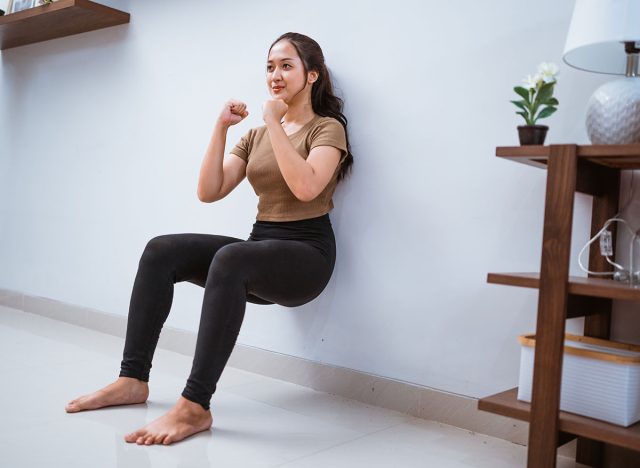
Once the correct form is established, a timer is used to measure the duration of the hold. The consistency of posture throughout the hold is paramount for an accurate assessment. Any significant change in depth, foot position, or back contact with the wall invalidates the score. For individuals over sixty, the hold time can provide meaningful insights into their current lower body strength and endurance levels.
Interpreting Wall Sit Hold Times for Individuals Over 60:
- Under 30 Seconds: Foundational Strength. A hold time in this range indicates a starting point for developing lower body strength. It suggests that muscles may fatigue rapidly, potentially impacting the ease of daily tasks like standing from low chairs or prolonged walking. The focus should be on mastering consistent form, even if it means shorter, controlled sets. This level typically points to a need for targeted strength-building interventions to enhance functional independence and reduce fall risk.
- 30-60 Seconds: Developing Endurance. Achieving a hold of 30 to 60 seconds demonstrates a foundational level of strength endurance. Individuals in this category are likely capable of performing most daily activities, but might experience fatigue with more demanding or prolonged efforts, such as climbing multiple flights of stairs or extended periods on their feet. This range signifies that the quadriceps and glutes are actively supporting the body, and continued training can significantly improve stamina.
- 60-75 Seconds: Good Functional Strength. Holding the position for 60 to 75 seconds indicates commendable functional strength and endurance. This performance level suggests a robust lower body capable of handling typical daily demands with relative ease and less susceptibility to fatigue. Individuals in this range possess the "staying power" crucial for maintaining an active lifestyle, supporting joint health, and contributing to overall physical resilience.
- Over 75 Seconds: Excellent Muscular Endurance. A wall sit hold exceeding 75 seconds is an exceptional achievement for individuals over sixty. This demonstrates superior leg strength, muscular endurance, and body control under sustained tension. Such a performance level reflects a highly capable lower body, indicative of excellent physical conditioning that contributes significantly to sustained independence, reduced risk of falls, and the ability to engage in more strenuous recreational activities without undue fatigue. It points to a strong capacity for managing fatigue and maintaining organized posture even as the muscular burn intensifies.
Improving one’s wall sit performance is a testament to the body’s remarkable adaptability, even in later life. Consistent practice, rather than constant maximum-effort tests, is the cornerstone of progress. Incorporating regular sets of wall sits into a weekly routine, gradually increasing the hold duration or decreasing the rest time between sets, is an effective strategy for progressive overload. For instance, an individual might aim for three sets of 30-second holds with 60 seconds of rest, eventually working towards longer holds or reducing rest periods.
Beyond the wall sit itself, a comprehensive lower body strength program will yield the most significant benefits. Exercises such as bodyweight squats, lunges (modified for stability if needed), step-ups onto a low platform, and glute bridges directly strengthen the primary muscle groups engaged during a wall sit. These dynamic movements complement the isometric hold by improving muscle power and coordination through a full range of motion. Furthermore, attention to a protein-rich diet supports muscle repair and growth, while adequate rest and recovery are essential for preventing overtraining and facilitating physiological adaptation.
In conclusion, the wall sit transcends its simple appearance, offering a powerful, accessible, and informative metric for assessing and cultivating lower body strength and endurance in individuals over the age of sixty. By providing a clear snapshot of an individual’s capacity to sustain muscular effort, it highlights areas for improvement and celebrates progress, directly correlating to enhanced functional independence. Achieving a sustained, quality wall sit hold past 75 seconds is indicative of excellent lower body resilience, a trait that translates into a more active, confident, and fulfilling life, allowing seniors to confidently navigate stairs, rise from chairs, embark on longer walks, and manage daily errands with the vigor and autonomy they deserve. Prioritizing lower body strength through exercises like the wall sit is not merely about physical performance; it is about investing in a future of sustained mobility and independence.
About the Author