
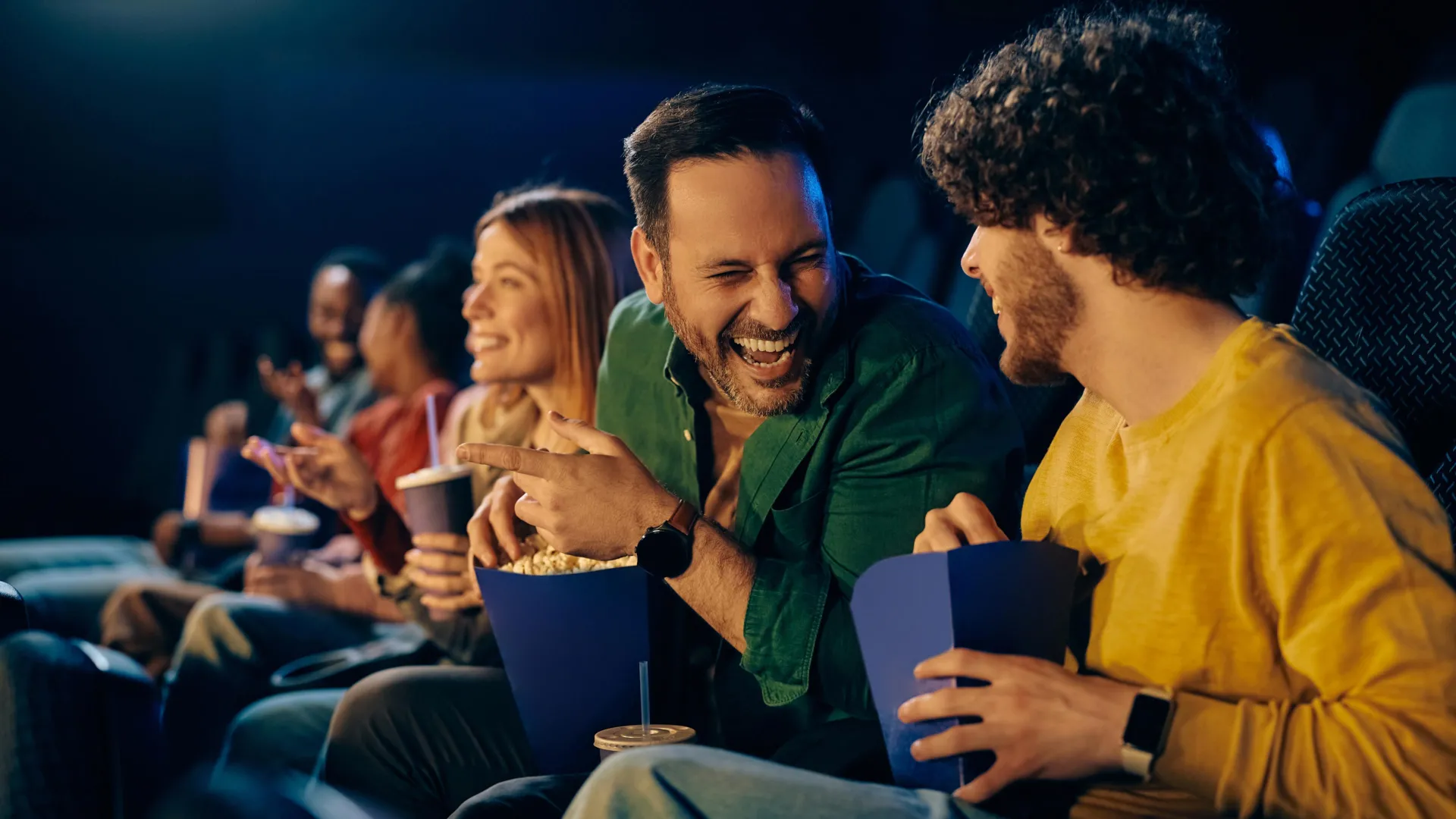
A comprehensive investigation into the lifestyle habits of older adults has unveiled a compelling connection between regular participation in cultural pursuits and a slower rate of biological aging. The findings, recently published in the esteemed Journal of Epidemiology and Community Health, suggest that individuals who frequently immerse themselves in the worlds of art, performance, and cinema may indeed possess bodies that function with the vitality characteristic of younger individuals. This research builds upon an expanding body of evidence that highlights the profound influence of sustained social and cultural engagement on the process of healthy aging.
While the passage of chronological time is an immutable fact of life, the pace at which our physical bodies age is subject to considerable individual variation. This concept of physiological age, which quantifies the functional capacity and resilience of our internal systems, can diverge significantly from our chronological age, a simple tally of years lived. Previous scientific inquiries had already established a link between engagement in cultural activities – encompassing visits to galleries, theaters, and cinemas – and improved health outcomes and overall well-being among senior citizens. However, a critical gap remained in understanding whether these enriching experiences directly influenced the very biological mechanisms that govern aging.
A team of dedicated researchers at the Institute of Science Tokyo, Japan, embarked on what is believed to be the inaugural longitudinal study designed to meticulously examine this relationship. Their innovative approach incorporated the crucial element of accounting for unmeasured variables that tend to remain constant throughout an individual’s life, thereby offering a more robust analysis of the observed correlations.
The foundation of this groundbreaking study was built upon an extensive dataset comprising 1,899 adults who were active participants in the English Longitudinal Study of Ageing. This ongoing, population-based initiative meticulously tracks a nationally representative cohort of individuals aged 50 and above residing in England. The data utilized for the research spanned multiple survey waves, specifically those conducted between the years 2004/2005, 2006/2007, and 2008/2009, ensuring a temporal breadth to the observations.
To quantify the physiological age of each participant, a battery of 10 objective indicators of physical health were assessed by trained nurses. These vital metrics included pulse pressure, diastolic blood pressure, forced expiratory volume (a measure of lung function), hemoglobin concentration, fibrinogen levels (a protein involved in blood clotting), glycated hemoglobin (a marker for blood sugar control), low-density lipoprotein (LDL) cholesterol levels, body mass index (BMI), grip strength, and walking speed. By aggregating these diverse measurements, the researchers were able to compute a singular, composite physiological age score for each individual.
Concurrently, participants were prompted to report the frequency of their engagement with three distinct categories of cultural activities: attending the cinema, visiting museums or art galleries, and experiencing live performances such as theater, concerts, or opera. Each reported activity was assigned a numerical score, ranging from zero for individuals who never participated to five for those who attended at least twice per month. This scoring system yielded a comprehensive cultural engagement score, with a potential range spanning from zero to fifteen.
The analysis revealed a striking disparity between individuals with differing levels of cultural participation. Those who actively engaged in cultural activities at least every few months exhibited an average physiological age of 66.9 years. In stark contrast, individuals with more infrequent engagement demonstrated an average physiological age of 69.9 years, signifying a difference of approximately three years in their biological maturity. This finding suggests that a more vibrant inner clock is associated with a richer cultural life.
Furthermore, the demographic profile of individuals with higher cultural engagement revealed certain commonalities. They were more likely to be women, to possess a higher socioeconomic status, to be employed, and to report a generally better state of overall health even prior to the study’s focus on cultural activities. These observations suggest that factors contributing to higher cultural engagement may also be independently associated with better health.
Even after meticulously adjusting for a range of confounding variables, including household income, employment status, and the presence of pre-existing chronic health conditions, the researchers uncovered a statistically significant association. Their findings indicated that for every single-point increase in an individual’s cultural engagement score, there was a corresponding reduction in their physiological age by an average of 0.085 years, equivalent to approximately 31 days. This incremental benefit, when accumulated over time and across multiple cultural experiences, translates into a tangible difference in biological aging.
The researchers posited several plausible mechanisms through which cultural activities might exert their rejuvenating effects. They theorized that engaging with art and culture can serve as a powerful catalyst for strengthening social connections, fostering a sense of community and belonging, which are known to be protective factors for health. Moreover, these activities may inspire or reinforce healthier lifestyle habits, encourage cognitive stimulation, and contribute to improved mental well-being, all of which are independently recognized as significant contributors to a slower trajectory of physiological aging.
It is crucial to acknowledge the observational nature of this study, which precludes definitive conclusions about direct causality. In other words, while a strong association has been identified, the research cannot definitively prove that cultural activities directly decelerate the aging process. The authors wisely pointed to the possibility of reverse causation, where individuals who are already healthier and more robust might simply possess greater capacity and inclination to participate in cultural events.
Despite these inherent limitations, the researchers strongly advocate for the potential of cultural engagement as a modifiable behavior that could be strategically integrated into public health initiatives aimed at promoting healthy aging. They notably observed that the magnitude of the effect associated with cultural engagement is potentially comparable to that of frequent physical activity, a widely recognized cornerstone of healthy living.
Looking ahead, the research team emphasized the necessity for further investigation to ascertain whether actively encouraging increased participation in cultural pursuits can lead to sustained and long-term improvements in health outcomes and the overall quality of aging. The study also underscored the importance of improving the accessibility of cultural events, both in terms of their geographical proximity and financial affordability, to enable a broader segment of the population to reap their potential benefits. The prospect of a future where a rich cultural life is an integral component of a holistic approach to well-being and longevity appears increasingly promising.
About the Author












