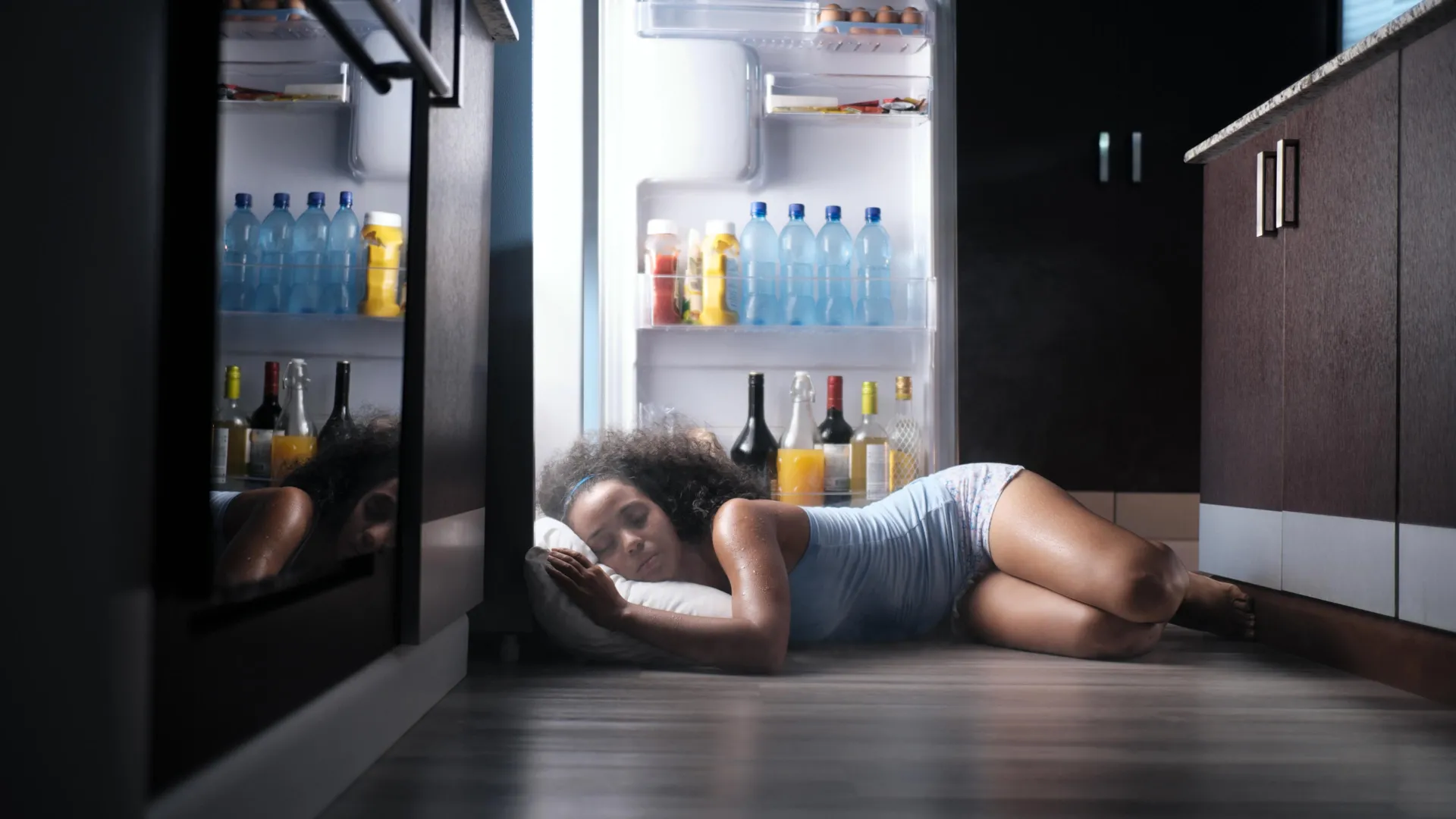
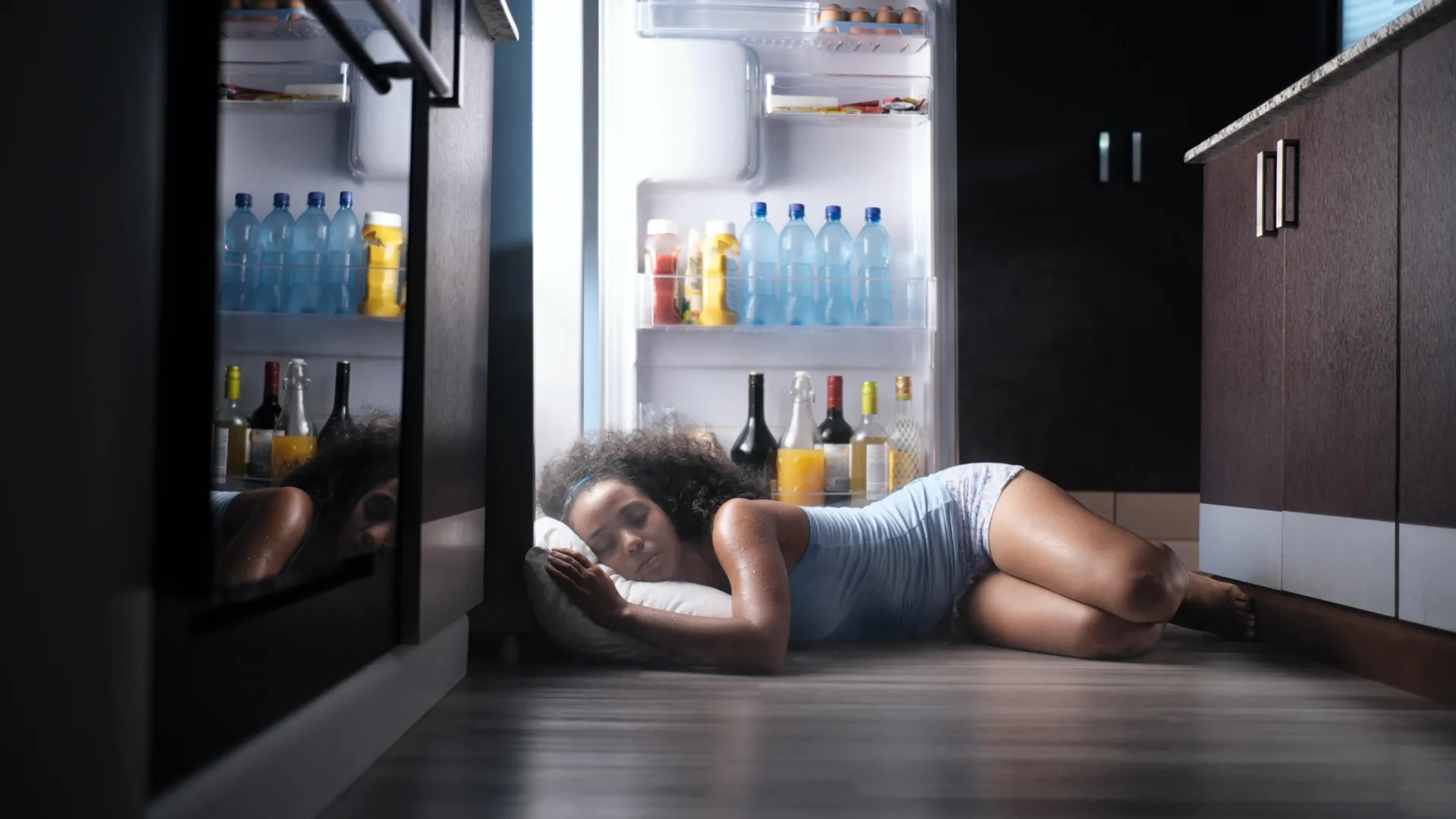
As global temperatures steadily climb, the challenge of achieving restorative sleep during periods of intense heat has become a widespread concern. Many individuals find that elevated nighttime temperatures significantly impede their ability to fall asleep, lead to frequent awakenings, and ultimately result in feelings of exhaustion the following day. This disruption is primarily linked to the human body’s intricate system of thermoregulation, the physiological process responsible for maintaining a stable internal temperature. For the body to transition into and sustain sleep, it typically requires a slight decrease in its core temperature. When the surrounding environment, particularly the bedroom, remains excessively warm, this essential heat dissipation process is hindered, making restful sleep elusive.
The urgency of this issue is underscored by evolving climate patterns. Meteorological data, such as that compiled by the UK’s Met Office, indicates a stark increase in the likelihood of extreme heat events. Projections reveal that the probability of temperatures surpassing 40°C in the United Kingdom is now more than twenty times greater than it was in the 1960s, with a significant 50% chance of experiencing another such day within the next twelve years. These figures highlight a clear trend towards hotter summers, transforming what was once an occasional discomfort into a recurring challenge for public health and well-being.
Adding to the complexity of heat stress is the factor of atmospheric humidity. Research consistently demonstrates that high humidity levels amplify the strain that elevated temperatures place on the human body. One of the primary mechanisms by which the body cools itself is through the evaporation of sweat from the skin’s surface, a process that carries heat away. However, when the air is already saturated with moisture, the efficiency of this evaporative cooling is drastically reduced, leading to a sensation of greater heat and increased discomfort, further impairing sleep onset and continuity.
While mechanical air conditioning units offer an effective solution for cooling indoor spaces, their adoption is often constrained by significant financial and practical barriers for a considerable portion of households. The Energy Saving Trust, for instance, has outlined the substantial operational costs associated with these devices. A modest portable air conditioning unit, consuming approximately 1 kilowatt of power, operated for seven hours each night over a thirty-day period, could incur electricity charges alone nearing £55 under the current price cap, excluding the initial purchase price of the equipment itself. Such expenses render widespread reliance on active cooling impractical for many, necessitating a focus on more accessible and sustainable strategies.
This economic reality directs attention towards passive cooling techniques, which aim to mitigate indoor heat without requiring significant energy input from mechanical systems. Strategies centered around effective shading and natural ventilation are paramount. The fundamental principle behind these approaches is to prevent heat from entering the dwelling in the first place, rather than attempting to remove it once it has accumulated. Overheating in residential structures most frequently originates from two main sources: solar gain, which is the warming effect of direct sunlight penetrating through windows, and the infiltration of warm air from the exterior environment.
Proactive management of a home’s thermal environment, beginning long before bedtime, is crucial for promoting comfortable sleep during warm periods. A comprehensive strategy involves several key components, often working in synergy.
One of the most effective initial steps is to rigorously manage solar exposure during daylight hours. On days with strong sunshine, it is advisable to keep curtains, blinds, or other internal window coverings closed, particularly on facades directly exposed to the sun. This action significantly reduces the amount of solar radiation that enters the room and heats internal surfaces such as floors, walls, and furniture, which then radiate heat back into the space. For an even more impactful intervention, external shading elements like shutters, awnings, or specialized shades prove superior because they intercept solar energy before it even reaches the windowpane, preventing heat transfer through the glass itself. Careful consideration must also be given to window management; opening windows when the external air temperature is higher than the internal temperature can paradoxically introduce more heat into the home. Instead, windows should be opened strategically when outside temperatures are cooler, typically during the early morning, late evening, or overnight hours, and kept closed during the peak heat of the day if the exterior air is warmer.
Leveraging cross-ventilation is another powerful passive cooling technique when external conditions permit. This involves creating a deliberate airflow path through a dwelling by opening windows or doors on opposing sides of the structure. When the outdoor air is cooler than the indoor air, this method facilitates the efficient removal of accumulated heat, replacing stale, warm air with fresher, cooler air. Studies investigating passive cooling measures in residential settings have consistently highlighted the efficacy of night-time ventilation in reducing internal overheating. However, the overall effectiveness of this approach can vary based on several factors, including the specific architectural design of the building, prevailing outdoor temperatures, and considerations related to security, noise pollution, and external air quality.
Certain areas within a home are particularly susceptible to heat accumulation and require focused attention. Conservatories, with their extensive glass surfaces, are notorious for trapping solar heat, creating a pronounced "greenhouse effect." To mitigate this, it is essential to ensure they are well-ventilated throughout the day and, where feasible, to keep internal doors between the conservatory and the main living areas closed. The application of reflective films, the installation of blinds, shutters, awnings, or even shaded roofs can substantially diminish heat gain in these spaces. Similarly, loft areas and top-floor rooms often become significantly warmer due to the roof’s direct absorption of solar radiation. While more substantial architectural interventions like improved loft ventilation systems or the use of reflective roofing materials can offer long-term benefits, practical solutions such as installing solar panels on the roof can serve a dual purpose, generating renewable electricity while simultaneously acting as an insulating barrier to reduce heat transfer into the building below.
When the usual sleeping quarters become uncomfortably warm, considering an alternative sleeping location within the home can be a practical solution. Bedrooms situated on upper floors or those facing south or west are typically the warmest areas in a dwelling. This is due to the natural tendency of heat to rise through a building’s structure, coupled with the fact that sun-exposed walls and roofs can continue to radiate stored thermal energy long after sunset. During heatwaves, relocating to a ground-floor room or one on the north-facing side of the house, which receives less direct solar exposure, can provide a noticeably cooler environment for sleep.
Minimizing internal heat and humidity sources is also critical. Household appliances such as ovens, hobs, tumble dryers, washing machines, and dishwashers all generate heat during their operation, contributing to a warmer indoor climate. Furthermore, activities like cooking and drying clothes indoors release significant amounts of moisture into the air, exacerbating humidity levels and hindering the body’s natural evaporative cooling processes. On exceptionally hot days, it is prudent to schedule the use of heat-producing appliances for earlier in the day or later in the evening when ambient temperatures are lower. The consistent use of extractor fans during cooking or showering is highly recommended, as these devices effectively remove warm, moisture-laden air directly from its source before it can disseminate throughout the rest of the home. Research on moisture dynamics in residential environments confirms that appropriate fan usage can significantly curtail the spread of humidity from kitchens and bathrooms to other living spaces.
Personal comfort items, particularly bedding and sleepwear, play a direct role in the body’s ability to regulate its temperature during sleep. A comprehensive review of sleepwear and bedding material types underscores their impact on thermal comfort. Opting for light, loose-fitting sleep attire and bedding made from breathable fabrics can greatly assist the body in shedding excess heat. Natural fibers such as cotton and linen are frequently preferred for their excellent moisture-wicking properties and their ability to allow air to circulate freely around the skin. While fabric composition is important, the weave, thickness, and overall moisture management capabilities of the material also contribute significantly to comfort. Conversely, heavy bedding, thick duvets, and tight-fitting synthetic fabrics should be avoided, as they tend to trap both heat and moisture close to the body, impeding cooling.
Electric fans are a commonly deployed tool for personal cooling, and evidence suggests their utility in many warm conditions. However, it is important to understand their mechanism and limitations. Fans do not actually reduce the ambient air temperature; instead, they create a sensation of coolness by moving air across the skin, thereby accelerating the evaporation of sweat. The safety and effectiveness of fan use are highly dependent on various factors, including the actual air temperature, humidity levels, an individual’s age, hydration status, and underlying health conditions. In scenarios of extreme heat, particularly for vulnerable populations such as older adults, or individuals who are dehydrated or unwell, fans alone may be insufficient to prevent heat-related illness. If using a fan, it is crucial to maintain adequate hydration by drinking water, to avoid directing the fan continuously at the face during sleep, and to discontinue use immediately if it induces feelings of increased heat, dizziness, or general malaise.
Finally, integrating low-cost cooling aids can provide supplementary relief. Reusable ice packs, freezer blocks, or specially designed cooling pillows can enhance personal comfort for many. To prevent condensation from soaking bedding and to avoid direct skin contact with extreme cold, ice packs should always be wrapped in a cloth or placed on a protective tray. Innovative bedding solutions, such as cooling mattress toppers and specialized bedding that incorporate water circulation systems or phase change materials, are also available. These advanced materials absorb, store, and then release heat as they transition between states, offering a more consistent cooling effect, though their cost and individual effectiveness can vary.
Ultimately, achieving restful sleep in hot weather necessitates a holistic and proactive approach that commences well before the onset of night. The most effective strategy typically involves a synergistic combination of measures: diligently blocking solar heat gain during the day, capitalizing on cooler outdoor air through strategic ventilation, minimizing internal heat contributions from household appliances, selecting the coolest available sleeping area within the home, and utilizing bedding and sleepwear designed to facilitate the body’s natural heat loss processes. By integrating these diverse strategies, individuals can significantly improve their chances of securing uninterrupted and restorative sleep, even as temperatures continue to rise.
About the Author