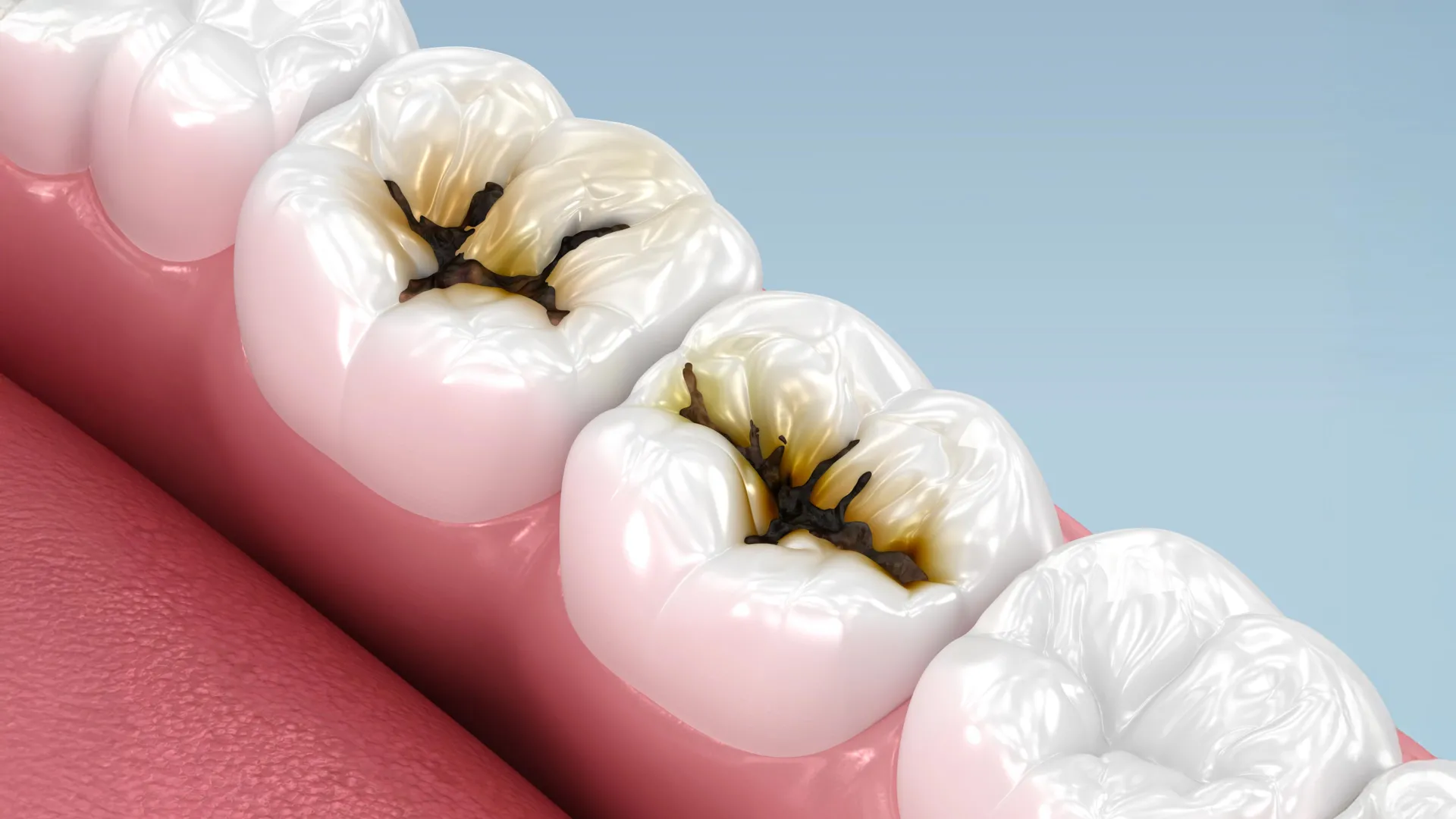
A groundbreaking clinical trial has delivered robust evidence supporting a low-cost topical liquid as a highly effective method for halting the progression of tooth decay in young children, potentially circumventing the need for traditional drilling and filling procedures that can be traumatic and costly. This novel approach, utilizing silver diamine fluoride (SDF) at a 38% concentration, offers a significant public health advancement, particularly for vulnerable populations and those with limited access to conventional dental care. The comprehensive Phase III study, a large-scale investigation conducted across multiple states, has yielded the critical data necessary to pursue official Food and Drug Administration (FDA) approval for SDF as a designated drug to treat dental caries, moving it beyond its current off-label use for dentin hypersensitivity.
The implications of this research are profound, given that untreated dental caries stands as the most prevalent chronic childhood disease in the United States, impacting over 40% of children. The ramifications of unaddressed cavities extend far beyond discomfort, frequently leading to severe pain, debilitating infections, disruptions in eating and sleeping patterns, significant school absenteeism, and, in severe cases, necessitating emergency room visits and surgical interventions under general anesthesia. The traditional paradigm of cavity management—which typically involves mechanical removal of decayed tooth structure and subsequent restoration with filling materials—can be a daunting prospect for young children, individuals with developmental disabilities, those experiencing extreme dental anxiety, or patients in underserved communities where access to specialized dental services is scarce.
Silver diamine fluoride, a liquid solution that has been employed internationally for many years, presents a starkly different therapeutic pathway. Its application is remarkably simple and swift: a dentist or trained healthcare professional applies the liquid directly to the decayed lesion using a fine, sponge-tipped applicator. This process, which takes mere seconds per tooth, actively arrests the demineralization process, effectively halting further decay. Crucially, this method bypasses the need for invasive procedures such as drilling, local anesthesia injections, or sedation, thereby minimizing patient distress and reducing the logistical and financial burdens associated with conventional dental treatments.
While SDF has been available in the United States since 2014, its use for treating active caries has primarily been "off-label," meaning it was approved for a different medical purpose (reducing tooth sensitivity) but was utilized by clinicians for an unapproved indication based on existing clinical experience and scientific literature. The absence of large-scale, U.S.-based clinical trials designed to rigorously evaluate its efficacy and safety for caries arrest had been a significant barrier to its broader adoption and formal regulatory approval for this specific purpose. The University of Michigan-led clinical trial, spearheaded by Margherita Fontana, a distinguished professor at the University of Michigan School of Dentistry, has meticulously addressed this evidence gap.
The multicenter study enrolled 830 children under the age of six, with participants recruited from a diverse range of settings including private dental practices, pediatric medical offices, and federal Head Start and Early Head Start programs across Michigan, New York, and Iowa. This broad recruitment strategy ensured that the study population reflected the varied demographics and healthcare-seeking behaviors of young children across different regions. The research, which commenced in 2018 and persevered through the disruptions of the COVID-19 pandemic, meticulously collected data on the effectiveness and safety of SDF when applied at six-month intervals.
The findings published in the esteemed journal JAMA Pediatrics revealed that SDF successfully arrested tooth decay in more than half of the affected primary (baby) teeth for a substantial portion of the study participants. Specifically, the treatment halted decay in over 38% of the targeted teeth. This outcome is particularly significant for primary teeth, which are often viewed by some as less critical due to their eventual exfoliation. However, untreated decay in these teeth can lead to significant pain, infection, and premature loss, impacting the development of the permanent dentition and overall oral health.
Dr. Fontana emphasized the profound impact of SDF, stating, "This is a very effective and safe treatment—even in children as young as 1." The simplicity of the application process makes it an ideal intervention for very young children who may struggle to cooperate with more complex dental procedures. Furthermore, its non-invasive nature opens doors for individuals who might otherwise forgo essential dental care due to fear, disability, or logistical challenges. The potential applications extend to older adults, individuals with special healthcare needs, and those experiencing profound dental phobia, offering a pathway to pain relief and infection control where traditional methods are impractical or impossible.
A notable, albeit cosmetic, consequence of SDF treatment is the permanent darkening of the treated tooth structure. The silver component in the solution reacts with the decayed dentin, causing a black discoloration. While this aesthetic effect is a consideration, proponents argue that it is a minor trade-off for the substantial health benefits of arresting decay, alleviating pain, and preventing infection. "If we want more children and families to benefit from this treatment, we need rigorous evidence showing both that it works and that it’s safe," Dr. Fontana remarked, underscoring the importance of the study’s robust design and outcomes.
From a public health perspective, the availability of high-quality data derived from U.S. populations is crucial for advocating for broader implementation, particularly in settings beyond specialized dental clinics, such as primary medical care environments. The study’s findings provide the necessary evidence base for manufacturers to submit a formal dental caries drug application to the FDA. Elevate Oral Care, the manufacturer of the Advantage Arrest 38% SDF product utilized in the trial, is expected to leverage this data for its submission.
Amr Moursi, a professor of pediatric dentistry at New York University College of Dentistry and a co-principal investigator on the study, articulated the potential impact of FDA approval. "Our results support FDA approval of SDF for managing arrest of tooth decay in young children," he stated. Moving SDF from its off-label status to an approved indication could catalyze increased utilization by a wider range of healthcare providers, potentially lead to improved insurance reimbursement for the procedure, and ensure a more consistent standard of product quality and delivery.
The role of SDF can be viewed as multifaceted. For very young children, it can serve as a valuable intervention to manage decay in primary teeth until they naturally fall out. In adults and older children, it can act as a long-term therapeutic solution or provide crucial temporary stabilization of decay while more definitive restorative procedures are being planned, financed, or become practically feasible. "For almost anyone, this can arrest the decay and stop the infection and the pain it causes," Dr. Fontana concluded, highlighting the broad applicability and significant benefits of this therapeutic innovation. The successful completion of this extensive clinical trial represents a significant stride toward making this accessible, effective, and minimally invasive treatment a mainstream option in pediatric and general dental care.
About the Author