
The United States boasts a diverse culinary landscape, and Italian cuisine stands as one of its most cherished and widely consumed categories. While local, independent trattorias often capture the essence of regional Italian cooking, a significant portion of American diners turns to established chain restaurants for their fix of pasta, pizza, and classic Italian-American comfort food. These larger establishments offer a compelling proposition: consistency, accessibility, and a predictable menu that caters to a broad palate, regardless of geographic location. From casual family eateries to more refined dining experiences, these chains have successfully carved out a niche by delivering dependable quality and familiar flavors. This comprehensive review delves into the characteristics and consumer appeal of some of the most highly regarded Italian restaurant chains across the nation, examining what makes them stand out in a competitive market.
Maggiano’s Little Italy: A Taste of Grand Family Gatherings
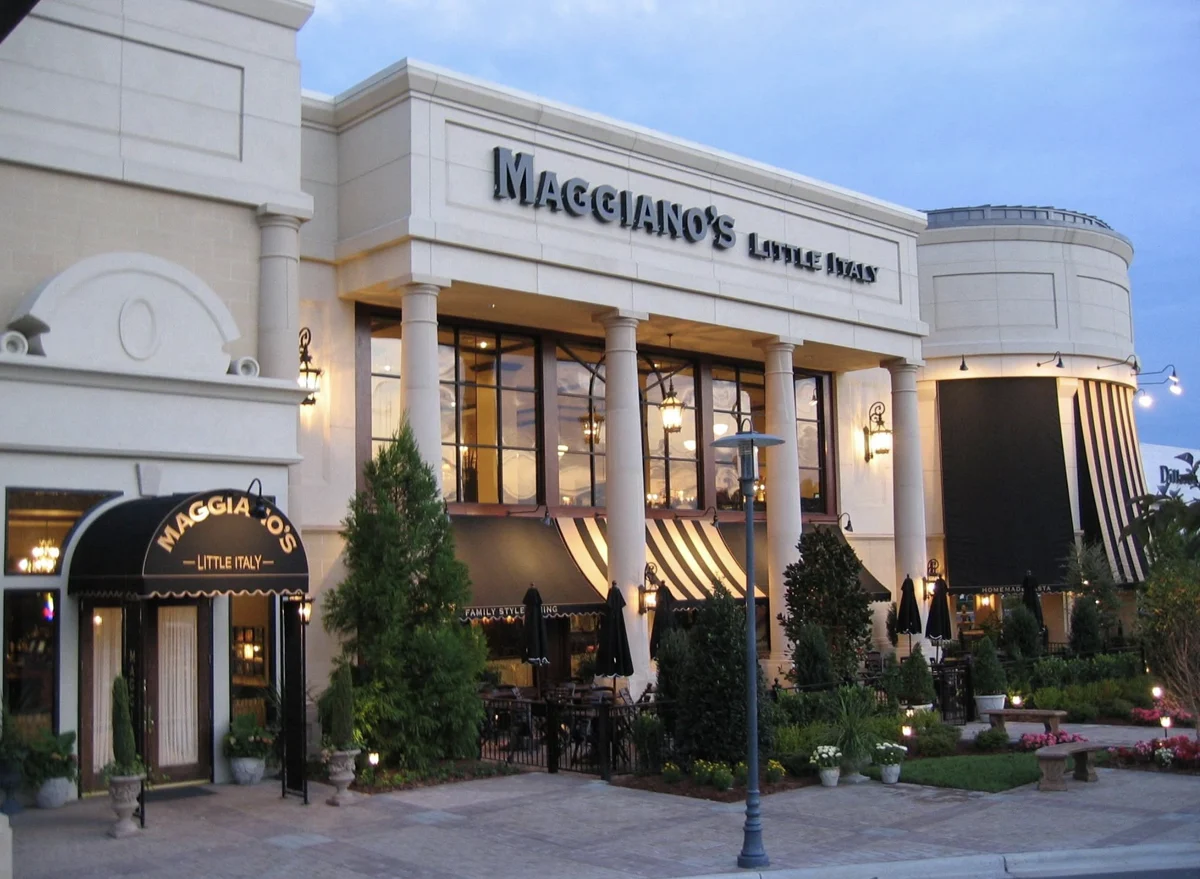
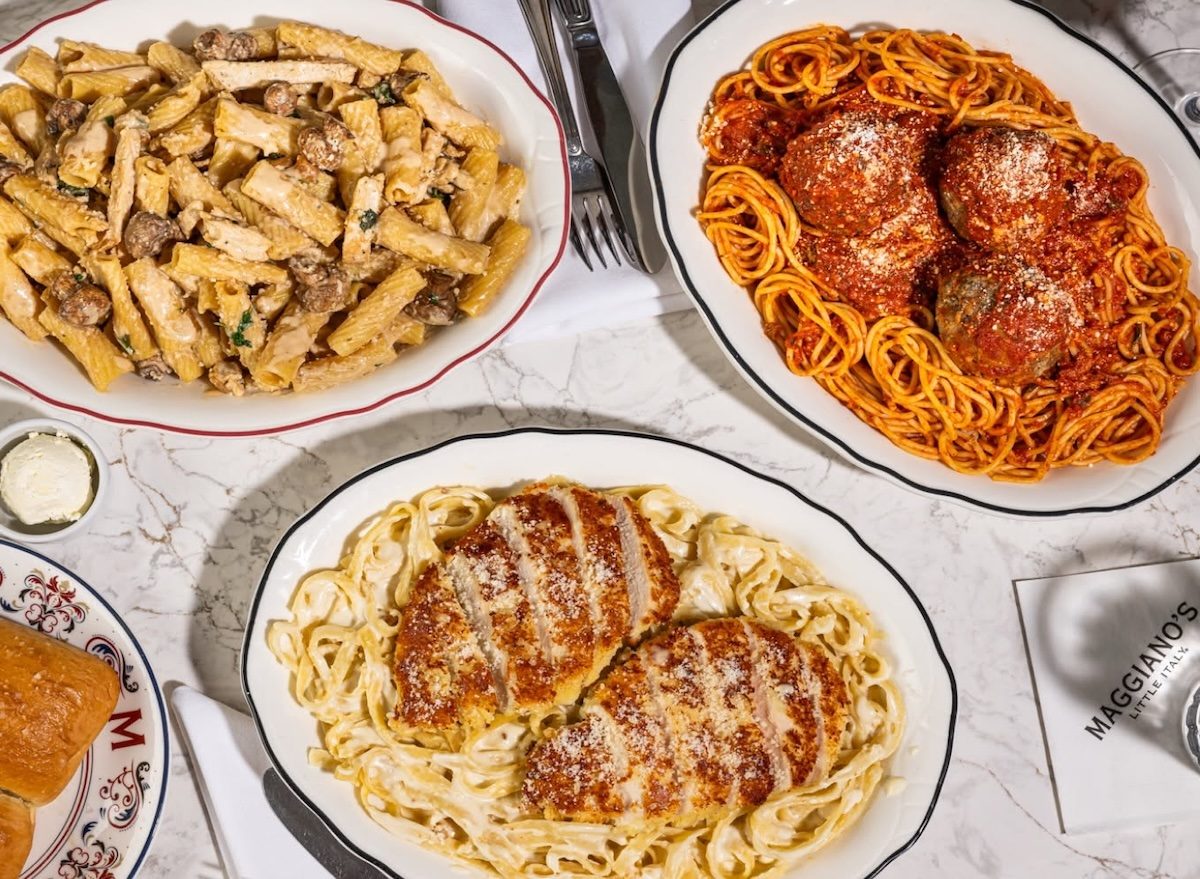
Maggiano’s Little Italy distinguishes itself by offering an upscale yet approachable dining experience, reminiscent of a classic Italian-American banquet hall. This chain is particularly celebrated for its emphasis on family-style dining, a concept that resonates deeply with patrons seeking communal meals and generous portions. The culinary philosophy centers on preparing dishes from scratch, a commitment frequently highlighted by its loyal customer base. For groups of four or more, Maggiano’s presents an "exceptional value" family-style menu, encompassing a multi-course meal featuring salads, appetizers, main courses, and desserts. This offering not only provides ample food but also fosters an atmosphere of shared enjoyment, making it a popular choice for celebrations and larger gatherings. Online communities frequently commend Maggiano’s, with one Redditor describing it as "an institution," while another added, "This is the way," implying a high standard for traditional Italian-American fare. Patrons frequently remark on the quality of the pasta, noting its discernible freshness, as echoed by a Yelper who praised the "awesome" sauce and daily-made noodles. This blend of abundant, freshly prepared food and a convivial setting solidifies Maggiano’s position as a beloved destination for those seeking a grand Italian dining experience.
Carrabba’s Italian Grill: Wood-Fired Flavors and Family Value
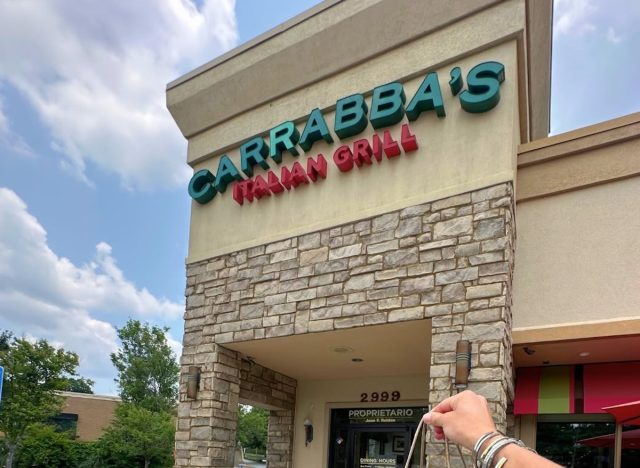
Carrabba’s Italian Grill has cultivated a reputation for its distinctive wood-grilled Italian classics, presenting a menu that blends traditional flavors with a contemporary approach to cooking. Founded in Houston, Texas, by two Sicilian-American brothers, John Charles "Johnny" Carrabba III and Damian Mandola, the chain draws inspiration from their family recipes, particularly those found in Sicily and Italy’s southern regions. This heritage is evident in their offerings, which include a variety of pasta dishes, seafood, and their signature grilled meats, all prepared with a focus on fresh ingredients and robust flavors. Beyond individual entrees, Carrabba’s addresses the needs of larger groups and families through its popular "Family Bundles." These thoughtfully curated packages, featuring options like spaghetti, penne Alfredo, and lasagna, are designed to feed four people economically, each bundle including a main dish, a choice of side salad, and fresh bread. This focus on value and convenience, without compromising on taste, has garnered significant appreciation from its clientele. One enthusiastic Redditor expressed an extreme fondness, stating they "would eat Carrabba’s for every meal if it was free," underscoring the brand’s strong appeal and the satisfaction it delivers. The chain successfully balances a relaxed ambiance with a menu that feels a step above casual, making it suitable for both weeknight dinners and special occasions.
Olive Garden: The Enduring Icon of American Italian Comfort
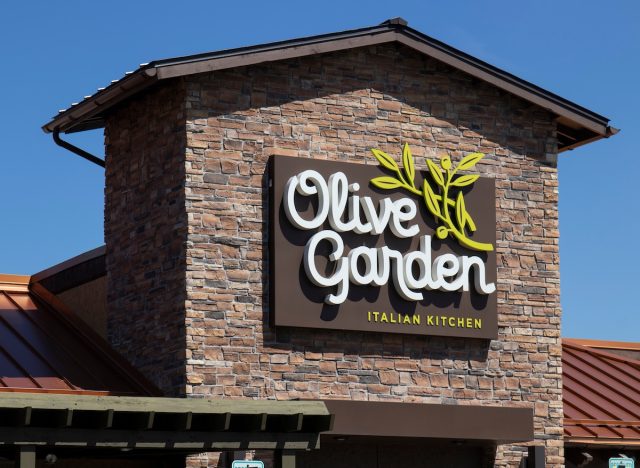
Few Italian restaurant chains are as ubiquitous and culturally embedded in the American dining psyche as Olive Garden. A subsidiary of Darden Restaurants, Olive Garden has become synonymous with accessible Italian-American comfort food, a status largely built upon its iconic offerings: unlimited soup, salad, and breadsticks. This value proposition has been a cornerstone of its marketing and a primary draw for countless diners seeking a hearty, satisfying meal at an affordable price point. The chain’s menu features a broad array of pasta dishes, entrees, and appetizers designed to appeal to a wide demographic. Despite occasional critiques regarding the authenticity of its Italian cuisine, Olive Garden consistently maintains a robust following, demonstrating its mastery in delivering a familiar and comforting dining experience. Patrons frequently highlight the appeal of its perpetual salad and breadsticks, with one Redditor affirming, "I like their salad. And breadsticks. That’s worth it to me by itself." Beyond these staples, specific menu items occasionally achieve cult status, such as the toasted ravioli appetizer, which one Redditor declared they "cannot stop thinking about" months after consumption. Olive Garden’s success lies in its ability to offer a consistent, family-friendly environment coupled with generous portions and a sense of indulgence, making it a go-to choice for millions of Americans.
Buca di Beppo: An Over-the-Top Celebration of Italian-American Tradition
Buca di Beppo offers a distinctive and theatrical dining experience, characterized by its vibrant, maximalist decor and an unwavering commitment to family-style dining with oversized portions. The chain’s aesthetic intentionally evokes a nostalgic, somewhat kitschy vision of a bustling, old-school Italian-American restaurant, complete with framed photos, religious artifacts, and a generally boisterous atmosphere. This environment is central to the Buca di Beppo experience, aiming to create a sense of celebration and shared merriment. The menu reflects this philosophy, presenting classic Italian-American dishes in generous, shareable sizes, encouraging communal eating and conversation. Staples such as lasagna, chicken parmesan, and jumbo cheese ravioli baked under layers of mozzarella and meat sauce are prepared with a focus on hearty, satisfying flavors. Diners frequently praise the straightforward quality of these traditional offerings. A TripAdvisor reviewer, for instance, complimented the lasagna, noting its "very tasty" sauce, which was "not bitter," and the "very generous with the meat" portions. Buca di Beppo’s appeal lies in its ability to deliver an immersive, fun-filled dining event where the food is abundant, the atmosphere is lively, and the emphasis is squarely on bringing people together over a shared love of classic Italian-American comfort food.
Il Fornaio: A Pursuit of Authentic Italian Regional Flavors
Il Fornaio distinguishes itself within the chain restaurant landscape by emphasizing a dedication to authentic Italian regional cuisine, a commitment rooted in its origins. The brand began in 1972 not as a restaurant, but as a baking school in Barlassina, Lombardia, Italy, eventually expanding to the United States with a mission to bring genuine Italian culinary traditions to a broader audience. This Californian-based chain prides itself on the daily preparation of fresh pasta and a menu that features dishes directly inspired by multi-generational family recipes from various Italian regions. The culinary integrity is maintained under the watchful eye of Executive Chef Roberto Gerbino, a native of Sicily, who ensures that the dishes served reflect centuries of Italian culinary mastery. Offerings such as tagliatelle alla Bolognese are crafted to evoke the true taste of Northern Italy, appealing to diners seeking a more refined and traditional Italian experience. This focus on authenticity often comes with a higher price point, reflecting the quality of ingredients and the meticulous preparation. For example, a simple cup of traditional Minestrone Di Verdure at its Beverly Hills location can retail for $12, signaling its position in the premium casual dining segment. Il Fornaio caters to a clientele that values genuine flavors and a more sophisticated interpretation of Italian dining.
Rao’s: From Legendary East Harlem Eatery to Exclusive National Outposts
Rao’s represents a unique phenomenon in the American culinary scene, transitioning from an almost mythical, reservation-only East Harlem institution into a select chain of upscale Italian restaurants. The original Rao’s, founded in 1896, is renowned for its extreme exclusivity, where securing a table is legendary for its difficulty. The expansion into a few additional locations, including those in major metropolitan areas, attempts to replicate the original’s prestige, quality, and old-school luxurious ambiance. These establishments are designed to offer an elevated dining experience, focusing on classic, meticulously prepared Italian-American dishes that have garnered a devoted following for generations. The atmosphere in these newer outposts often features rich red leather banquette seating, subtle lighting, and a decor that exudes timeless elegance, aiming to transport diners to a bygone era of sophisticated dining. The menu, while seemingly simple, focuses on the perfection of staples such as pasta with red sauce, vodka sauce, and standout meat dishes like veal parmesan. Diners consistently praise the quality of even the most basic preparations, highlighting the depth of flavor and culinary execution. Online sentiments frequently laud specific dishes; a Facebook user once described the Veal Chop Parm at the Miami Beach location as a "9.9," while an Instagrammer proclaimed, "Rao’s makes the best veal parm I’ve ever had," encapsulating the brand’s reputation for culinary excellence and indulgence.
In conclusion, America’s leading Italian restaurant chains offer a rich tapestry of dining experiences, each carving out its niche by catering to distinct consumer preferences. Whether patrons seek the grand, family-style celebrations of Maggiano’s, the wood-fired traditions of Carrabba’s, the comforting familiarity of Olive Garden, the boisterous communal spirit of Buca di Beppo, the regional authenticity of Il Fornaio, or the exclusive luxury of Rao’s, these establishments collectively underscore the enduring appeal and adaptability of Italian cuisine within the national dining landscape. Their continued popularity attests to their ability to deliver consistent quality and cherished culinary memories to a vast and diverse audience.
About the Author










