As individuals age, maintaining robust physical function becomes increasingly vital for preserving independence and overall quality of life. A significant challenge in this demographic is sarcopenia, the progressive and generalized loss of skeletal muscle mass and strength. This natural physiological process, often exacerbated by sedentary lifestyles, can lead to reduced mobility, an elevated risk of falls, and greater difficulty performing routine daily activities such as climbing stairs, rising from a chair, or simply walking with confidence. Addressing this decline through targeted strength training is not merely beneficial but essential. Among the myriad of exercises available, the wall sit emerges as a remarkably effective and accessible isometric movement, particularly well-suited for older adults seeking to rebuild or sustain their lower body power.
Isometric exercises involve muscular contraction without any visible change in muscle length or joint angle. In simpler terms, the muscles generate tension while remaining static. This characteristic makes them exceptionally joint-friendly and low-impact, mitigating concerns about excessive strain or sudden movements that dynamic exercises might present. The wall sit, specifically, provides an ideal entry point into strength training for many seniors because it leverages the support of a wall, which stabilizes the torso and allows the practitioner to concentrate solely on engaging the leg and core musculature. This inherent stability minimizes balance challenges, a common apprehension for older adults embarking on new fitness routines, thereby fostering a safer and more confident exercise environment.
The biomechanics of a wall sit are deceptively simple yet highly effective. When performed correctly, the exercise primarily targets the quadriceps, the large muscle group at the front of the thigh, responsible for extending the knee. However, its benefits extend far beyond these primary movers. The gluteal muscles (buttocks) are actively engaged to maintain hip stability, while the hamstrings (back of the thigh) and calf muscles (gastrocnemius and soleus) contribute to overall leg support and stability. Furthermore, maintaining a rigid posture against the wall inherently activates the core musculature, including the abdominal and lower back muscles, which are crucial for spinal support and balance. The sustained tension during an isometric hold promotes increased muscle fiber recruitment, leading to improvements in muscular endurance and static strength. These gains directly translate into enhanced functional capabilities, making everyday tasks feel significantly easier and safer. Imagine navigating a flight of stairs with renewed vigor or effortlessly transitioning from a seated position to standing – these are direct results of a stronger, more stable lower body.
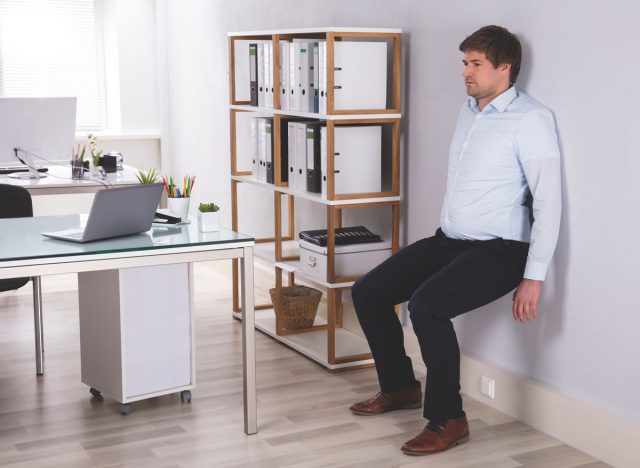
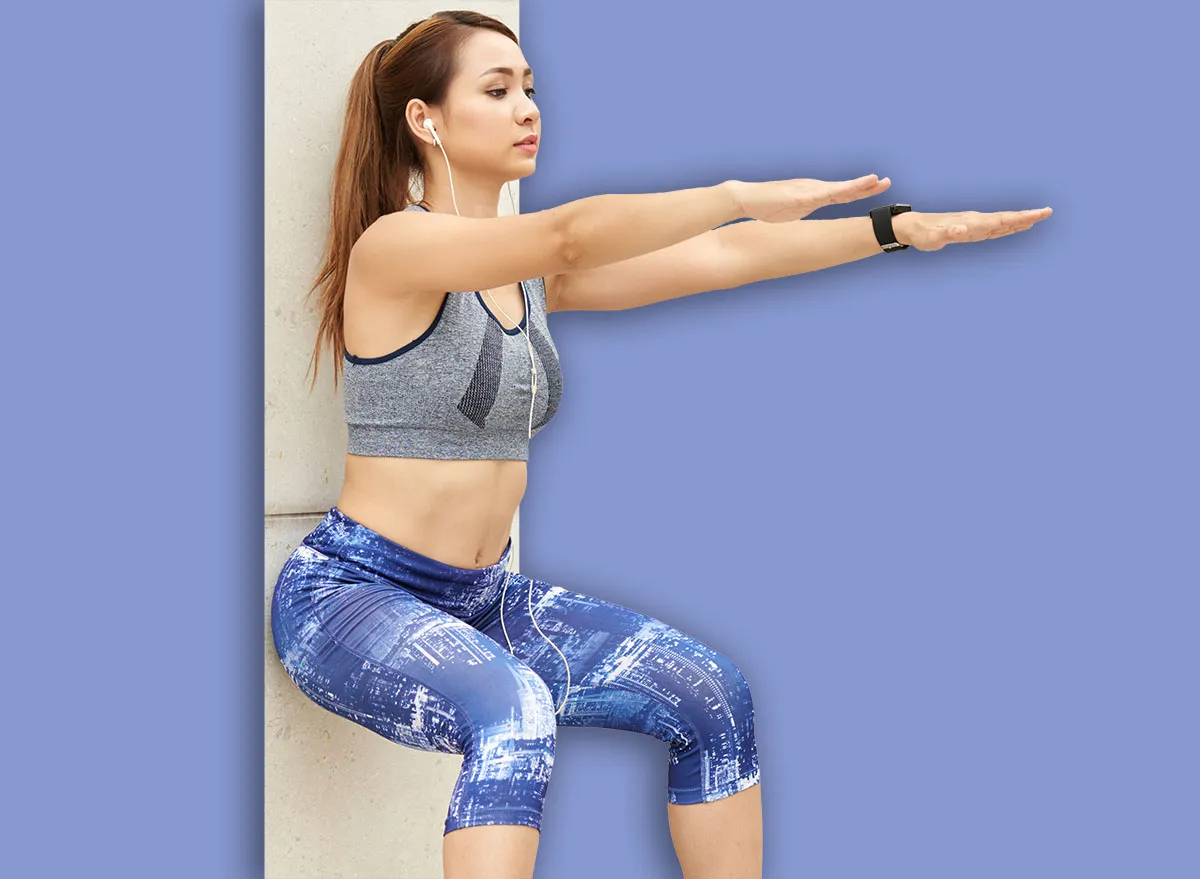
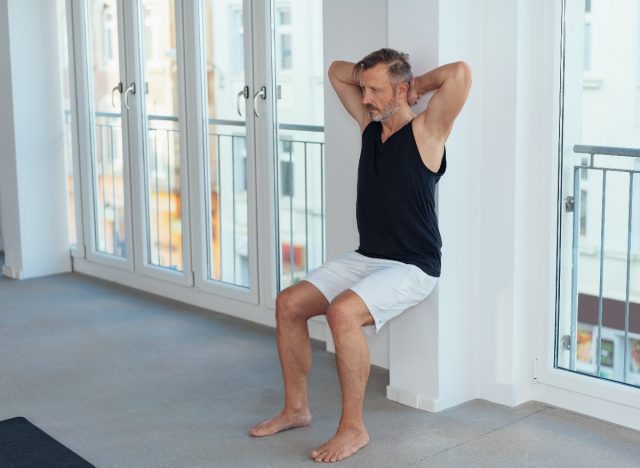
Before initiating any new exercise regimen, especially for individuals over 60 or those with pre-existing health conditions, consulting a healthcare professional is strongly advised. Once cleared, mastering the proper technique for a wall sit is paramount to maximizing its benefits and preventing injury. Begin by positioning yourself with your back flat against a sturdy wall. Your feet should be placed approximately shoulder-width apart, about two feet away from the wall, allowing your knees to form roughly a 90-degree angle when you slide down. Gradually lower your body until your thighs are parallel to the floor, mimicking a seated position without a chair. Crucially, ensure your knees remain aligned over your ankles and do not track inward or outward. Maintain an even distribution of weight through your entire foot, avoiding excessive pressure on heels or toes. Your core should be gently engaged, pulling your navel towards your spine, and your shoulders should remain relaxed against the wall. Throughout the hold, it is essential to breathe steadily and deeply, resisting the urge to hold your breath. For beginners, it is perfectly acceptable, and often recommended, to start with a shallower position (e.g., knees at a 100-110-degree angle) and gradually deepen the squat as strength improves. The key is to prioritize impeccable form over achieving maximum depth or duration initially.
The following seven-day progressive wall sit program is designed to gradually introduce and build lower body strength and endurance, providing a structured pathway for consistent improvement. Each day builds upon the previous, gently increasing the challenge while reinforcing proper technique.
Day 1: Establishing Your Foundational Position
The primary objective for the first day is to accurately identify a comfortable yet challenging depth for your wall sit. Perform three repetitions, holding each for 15 seconds. Allow for a rest period of 45 to 60 seconds between each hold. Focus intently on maintaining consistent posture, ensuring your feet remain firmly planted, and breathing rhythmically throughout the entire duration of each isometric contraction. The goal is to finish each hold with the same controlled form you started with.
Day 2: Initiating a Gradual Time Increase
Building slightly on the initial effort, this day introduces a modest extension to the hold time. Execute three wall sits, each lasting 20 seconds. Maintain the 45 to 60-second rest interval between sets. Even a five-second increase can significantly alter the perceived effort, especially as your quadriceps begin to work harder. Concentrate on keeping your shoulders relaxed against the supporting wall and distributing your weight evenly across both feet.

Day 3: Cultivating Muscular Stamina
By the third day, your muscles should be developing a greater familiarity with the sustained tension. Perform three wall sits, extending each hold to 25 seconds. Increase your rest period slightly to 60 seconds between repetitions. The focus here is on maintaining a consistent depth across all three holds, allowing the final few seconds of each set to genuinely challenge your thigh endurance and resilience.
Day 4: Reinforcing Form and Consistency
This day is dedicated to refining your execution rather than increasing the workload. Repeat the previous day’s protocol: three wall sits, each held for 25 seconds, with a rest period of 45 to 60 seconds. This repetition provides an opportunity to meticulously review and improve your form. Consciously place your feet with precision, smoothly transition into the seated position, and actively work to keep your knees stable and tracking correctly throughout the entirety of each hold.
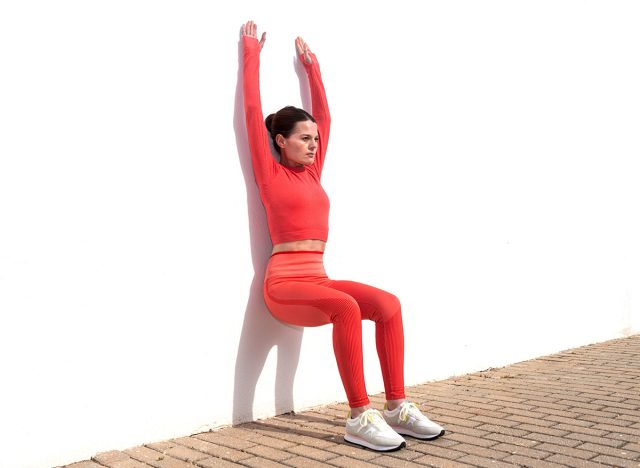
Day 5: Expanding Total Workload
To further enhance your muscular capacity, this day increases the overall volume of work. Perform four wall sits, each sustained for 25 seconds. Maintain a 60-second rest period between each set. Adding a fourth set effectively boosts the total time under tension without demanding a significant jump in the duration of individual holds. Strive to make the final set feel as controlled and strong as the first.
Day 6: Lengthening Individual Holds
This marks the most substantial increase in individual hold duration for the week. Complete three wall sits, each held for an extended 35 seconds. Adjust your rest period to 60 to 75 seconds between sets. As fatigue begins to set in, cultivate patience and mental fortitude. Continue to breathe deeply and utilize the wall’s support to maintain an upright and stable torso posture.
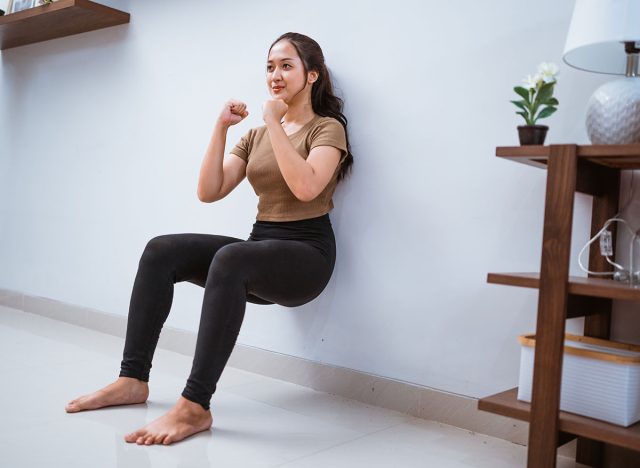
Day 7: Establishing a Performance Benchmark
The final day of the challenge serves as an assessment of your progress and establishes a new baseline for future training. Perform three wall sits, each held for 40 seconds, with 60 to 75 seconds of rest between repetitions. At this point, your legs should exhibit greater familiarity and comfort in the wall sit position. You should also possess a clearer understanding of the optimal depth and duration you can control with proper form. This benchmark provides valuable data for your continued fitness journey.
This seven-day program is designed as an introductory phase, a potent catalyst for re-engaging and strengthening the lower body, particularly for those whose legs have not recently been subjected to consistent strength work. However, the benefits are truly realized through sustained commitment beyond this initial week. To continue progressing, consider gradually increasing the duration of your holds, incrementally lowering your squat depth, or exploring variations such as wall-sit heel raises to further engage the calves, or wall-sit marches for dynamic engagement.

Integrating wall sits into a more comprehensive fitness regimen will yield the most holistic results. Complementary lower-body exercises like chair squats (using a chair for assistance to practice standing and sitting motions), step-ups (utilizing a low step or curb), and traditional calf raises will build a more well-rounded strength profile. Pairing these with regular aerobic activities, such as brisk walking, and incorporating flexibility and balance exercises, will contribute significantly to overall mobility, fall prevention, and functional independence. This multi-faceted approach ensures that the gains from the wall sit challenge are not isolated but rather contribute to a more resilient, active, and vibrant life in the golden years. Consistent physical activity is not merely an option but a cornerstone for maintaining vitality and independence throughout life’s later stages.
About the Author