The research effort was spearheaded by Joseph A. Bauer, affiliated with Nitric Oxide Services, LLC, and the Cleveland Clinic Foundation Taussig Cancer Center, serving as both lead and corresponding author. His team’s focus was on nitrosylcobalamin (NO-Cbl), a chemically altered version of vitamin B12 engineered to release nitric oxide. The core objective of their inquiry was to ascertain whether this innovative compound could successfully navigate the formidable blood-brain barrier (BBB) and specifically concentrate within glioblastoma tumors.
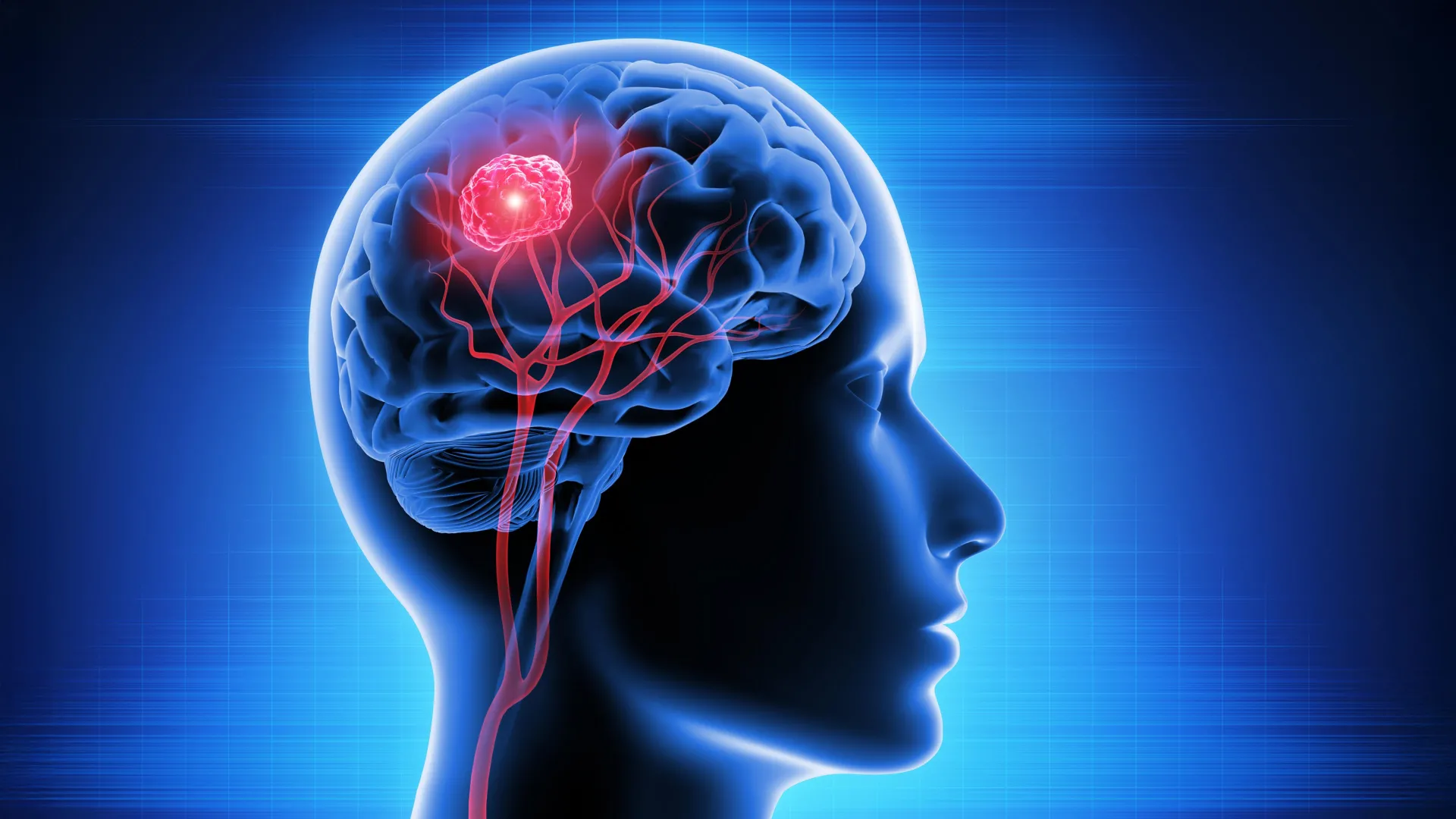
Glioblastoma multiforme (GBM) stands as one of the most devastating and recalcitrant forms of brain cancer. Despite the implementation of standard treatment modalities, including surgical intervention, radiation therapy, and chemotherapy, the average patient survival rate post-diagnosis rarely extends beyond fifteen months. A primary impediment to effective treatment is the blood-brain barrier, a highly selective physiological defense mechanism that restricts the passage of numerous therapeutic agents into the central nervous system and, consequently, tumorous brain tissue.
To thoroughly assess the therapeutic capabilities of NO-Cbl, the research consortium employed a multifaceted experimental framework. This included evaluating the compound’s efficacy against a diverse array of cancer cell types within the National Cancer Institute’s (NCI) NCI-60 human tumor cell line panel. Furthermore, the study incorporated pharmacokinetic analyses in rodent models engineered with glioblastoma tumors, providing crucial insights into the drug’s absorption, distribution, metabolism, and excretion. Crucially, the researchers also investigated the compound’s performance when administered concurrently with other established or experimental glioblastoma treatments, using human glioblastoma cell lines as their model system.
The comprehensive testing revealed that NO-Cbl exhibited discernible antitumor activity across a broad spectrum of cancer origins. Notably, tumor cells originating from the central nervous system demonstrated a moderate but significant susceptibility to the compound’s effects. This finding suggested a potential for targeted action within the brain, a critical factor for any glioblastoma therapy.
Perhaps one of the most compelling discoveries of the investigation emerged from the extensive animal experimentation. Following systemic administration, the NO-Cbl compound demonstrably traversed the blood-brain barrier, a feat that eludes many conventional chemotherapeutics. More remarkably, it showed a pronounced tendency to accumulate preferentially within the pathological tissue characteristic of glioblastoma.
Further analysis provided compelling evidence of the compound’s sustained presence and activity within the tumor microenvironment. Nitrate levels, a key indicator of NO-Cbl’s breakdown and nitric oxide release, remained elevated in tumor tissues for a minimum of 24 hours post-treatment. In contrast, nitrate concentrations in healthy surrounding tissues experienced a more rapid decline. This differential retention pattern strongly suggests that NO-Cbl is not only retained within tumors but also facilitates the direct delivery of nitric oxide to the immediate vicinity of the cancerous cells, potentially maximizing its therapeutic impact while minimizing off-target effects. The study’s figures, specifically Figures 2 and 3 on pages 3 and 4, visually corroborate these findings by illustrating sustained levels of nitrate and cobalamin-related metabolites in brain tumor tissue compared to other organs, reinforcing the concept of selective accumulation in glioblastoma.
Beyond its intrinsic therapeutic potential, the research team also explored the synergistic capabilities of NO-Cbl when combined with existing, standard-of-care glioblastoma treatments. In carefully controlled laboratory experiments utilizing human glioblastoma cell lines, specifically U87 and D54, the co-administration of NO-Cbl with either TRAIL (Tumor Necrosis Factor-Related Apoptosis-Inducing Ligand) or temozolomide yielded substantially amplified suppression of tumor cell proliferation. This synergistic effect significantly surpassed the inhibitory outcomes achieved by each treatment administered in isolation. Additional rigorous analytical assessments further substantiated these synergistic interactions across a range of dosage combinations, underscoring the compound’s potential to enhance the efficacy of current therapeutic paradigms.
The authors posit that NO-Cbl possesses the capacity to circumvent several fundamental biological mechanisms that contribute to the development of treatment resistance in glioblastoma tumors. Drawing upon prior research, the study highlights that NO-Cbl can actively promote programmed cell death (apoptosis) through the activation of caspase-8, a key executioner protein in the apoptotic pathway. Furthermore, it demonstrates the ability to suppress NF-κB survival signaling, a critical pathway that glioblastoma cells often exploit to evade cell death signals. Additionally, NO-Cbl appears to bolster TRAIL receptor signaling via a process known as S-nitrosylation. Collectively, these multifaceted actions could render glioblastoma cells more vulnerable to therapeutic interventions, including those tumors that have already developed resistance to established chemotherapies like temozolomide.
It is crucial to emphasize that the findings presented represent the outcome of an early-stage, translational pilot study. Consequently, extensive further research and validation will be indispensable before this novel therapeutic approach can be considered for translation into clinical applications for human patients. The trajectory of future investigations is anticipated to encompass several key areas, including orthotopic validation in more complex animal models that better mimic the human brain environment, optimization of dosing strategies to achieve the most favorable therapeutic index, prolonged tracking of nitric oxide activity to understand long-term effects, and in-depth exploration of the underlying molecular mechanisms within additional central nervous system tumor models.
In summation, the findings from this pioneering study offer compelling preliminary evidence that a cobalamin-based nitric oxide donor represents a highly promising new strategy in the fight against glioblastoma. By ingeniously combining the ability to penetrate the blood-brain barrier, exhibit selective targeting of tumorous tissue, and enhance the activity of existing therapies, NO-Cbl presents a novel paradigm for improving drug delivery and combating treatment resistance in one of neuro-oncology’s most formidable adversaries.
About the Author