A groundbreaking clinical investigation has unveiled compelling evidence suggesting that a simple daily dietary adjustment, specifically the incorporation of a prebiotic fiber supplement, holds significant promise for individuals grappling with knee osteoarthritis. The study indicates that such an intervention can notably diminish discomfort and augment physical capabilities among those afflicted by this widespread and debilitating condition. Beyond mere pain mitigation, participants who embraced the supplement regimen also exhibited notable improvements in grip strength and a diminished sensitivity to painful stimuli, contrasting sharply with a comparative group engaged in a digital physiotherapy program, which experienced a significantly higher rate of attrition.
The research, spearheaded by scientists at the esteemed University of Nottingham, was conducted under the banner of the INSPIRE clinical trial. At its core, the study evaluated the effects of inulin, a naturally occurring dietary fiber prevalent in foods such as chicory root and Jerusalem artichokes. The findings, subsequently published in the peer-reviewed journal Nutrients, underscore a burgeoning understanding: that fostering a healthier gut environment could represent a novel, accessible pathway for managing a condition that affects hundreds of millions globally and profoundly impacts quality of life, particularly in later years.
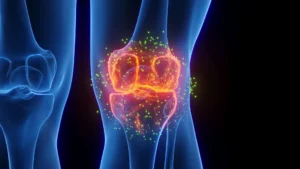
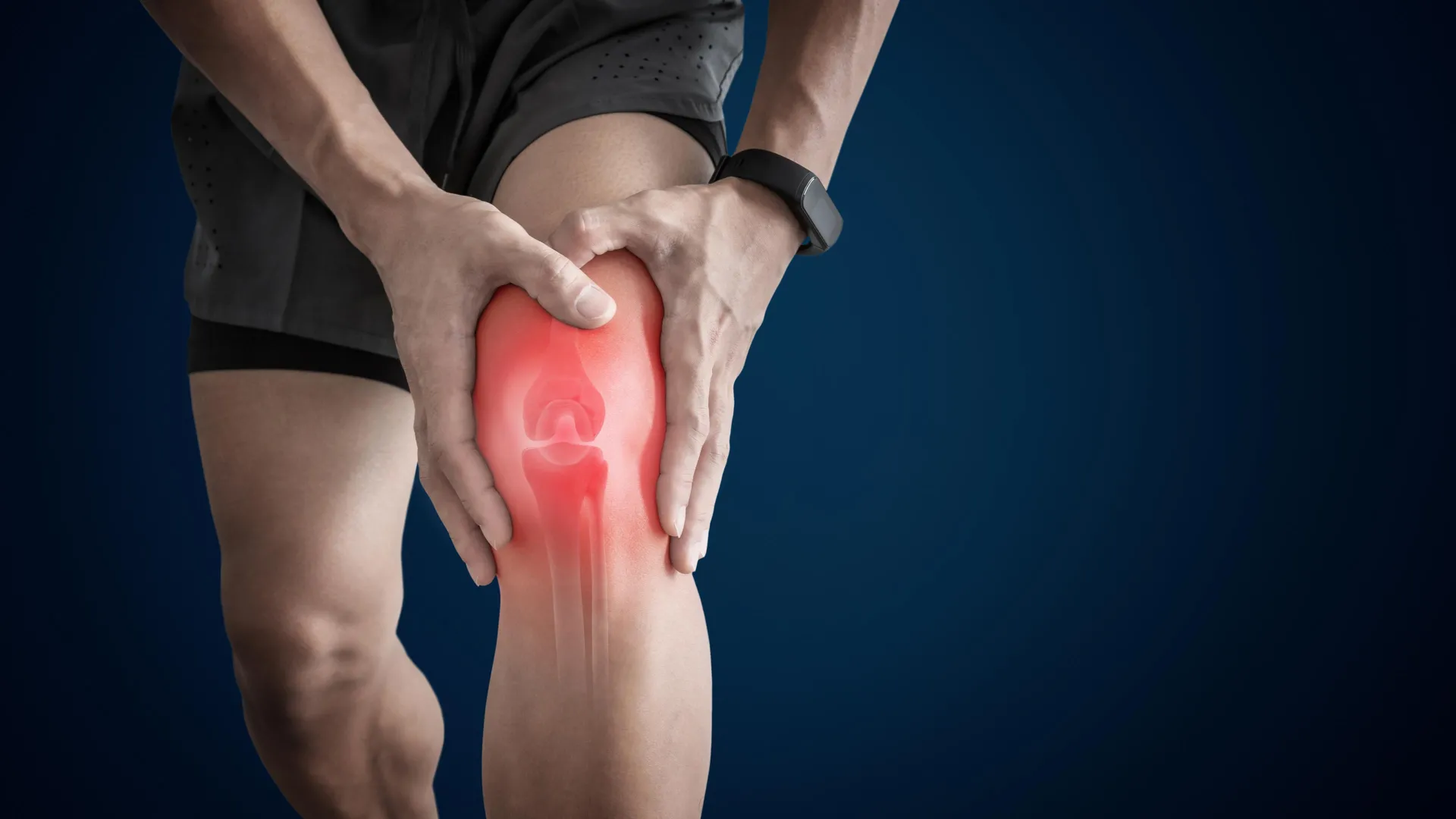
Knee osteoarthritis stands as a formidable adversary, a primary catalyst for chronic pain and long-term disability worldwide. This degenerative joint ailment is characterized by the breakdown of cartilage cushioning the knee joint, leading to pain, stiffness, and reduced mobility. Current therapeutic strategies often rely on pharmaceutical interventions to manage pain, which frequently carry the burden of undesirable side effects, or engage patients in structured exercise programs. While effective, the adherence to these exercise regimens often proves challenging for many over extended periods, highlighting a critical need for alternative or complementary approaches that are both efficacious and sustainable for patients. Dr. Afroditi Kouraki, the lead author from the University of Nottingham’s School of Medicine, articulated the potential impact of these discoveries, stating, "This study opens up the exciting prospect that a straightforward dietary modification—such as adding a fiber supplement to one’s morning meal or yogurt—could substantially alleviate pain and bolster physical function." This perspective positions the intervention as a potentially less burdensome alternative to more intensive treatments, offering a beacon of hope for easier long-term management.
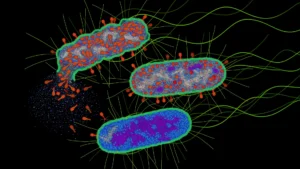
The intricate relationship between our internal microbial ecosystem and systemic health is increasingly becoming a focal point of medical research. The gut microbiome, a complex community of trillions of microorganisms residing within the digestive tract, exerts profound influence over numerous physiological processes, including how the body perceives and processes pain. Prebiotics, such as inulin, function as specialized nutritional compounds that selectively nourish and stimulate the growth and activity of beneficial bacteria within this microbial community. When these advantageous microorganisms metabolize inulin, they generate an array of beneficial metabolites, most notably short-chain fatty acids (SCFAs). Among these SCFAs, butyrate is particularly significant, known for its potent anti-inflammatory properties and its capacity to modulate biological pathways implicated in pain signaling throughout the entire body.
The trial’s participants who received inulin exhibited elevated concentrations of both butyrate and glucagon-like peptide-1 (GLP-1). GLP-1 is a fascinating gut hormone with multifaceted roles, including involvement in glucose metabolism, appetite regulation, and, critically, pain modulation and the maintenance of muscle health. The observed elevation in GLP-1 levels was further correlated with an enhancement in grip strength among the inulin group. This intriguing association suggests a potential, previously underappreciated connection between the health of the gut microbiome and muscular performance, a hypothesis that researchers believe warrants extensive further investigation to fully elucidate its mechanisms and implications.
The INSPIRE trial was meticulously designed as a six-week randomized controlled study, enrolling 117 adults diagnosed with knee osteoarthritis. To comprehensively assess the efficacy of the interventions, participants were systematically allocated into one of four distinct groups: one receiving inulin supplementation exclusively, another engaging solely in a digital physiotherapy-supported exercise (PSE) program, a third group combining both inulin and PSE, and a control group receiving a placebo. This robust design allowed for a nuanced evaluation of each intervention’s independent and combined effects.
The results demonstrated that both inulin supplementation and the physiotherapy program independently contributed to a reduction in knee pain, affirming the efficacy of both approaches in addressing the primary symptom of osteoarthritis. However, a crucial distinction emerged: only the group receiving inulin experienced improvements in grip strength and a reduced sensitivity to pain. These particular metrics are vital as they offer insights into the central nervous system’s capacity to detect, process, and ultimately perceive painful signals, suggesting that inulin may exert an influence beyond local joint inflammation, potentially modulating systemic pain pathways.
Furthermore, the inulin group distinguished itself with a remarkably low participant dropout rate, with only 3.6% discontinuing the study. This stood in stark contrast to the physiotherapy group, which saw a significant 21% of its participants withdraw. This disparity highlights a crucial public health consideration: the ease of integrating a daily supplement into one’s routine may significantly enhance patient adherence compared to the more structured and time-intensive commitment required for an exercise program. Dr. Kouraki emphasized this point, noting, "Our findings suggest that targeting gut health with a prebiotic supplement is a safe, well-tolerated, and effective way to reduce pain in people with knee osteoarthritis. The very low dropout rate compared to the exercise group is also encouraging from a public health perspective—people were able to fit this supplement easily into their daily lives." This ease of integration could be a game-changer in chronic disease management, where adherence is often a major hurdle.
Professor Ana Valdes, the senior author from the School of Medicine, underscored the broader implications of these findings, particularly the observed correlation between GLP-1 and grip strength. She stated, "The link we observed between GLP-1 and grip strength is particularly intriguing and points to a broader gut-muscle-pain axis that warrants further investigation. This could have implications not just for osteoarthritis, but for understanding how gut health influences ageing and physical resilience more broadly." This perspective opens up exciting avenues for research into the systemic effects of the gut microbiome on various aspects of human physiology, suggesting that its influence extends far beyond digestive health. The concept of a "gut-muscle-pain axis" posits an interconnected system where the microbial environment impacts not only pain perception but also musculoskeletal function, offering a holistic view of health and disease.
Professor Lucy Donaldson, Director of Research at Arthritis UK, echoed the significance of this research within the context of the pervasive suffering caused by arthritis. She highlighted the profound impact of chronic pain, citing a recent survey where six out of ten individuals reported living with pain most or all of the time due to their arthritis. Professor Donaldson acknowledged the nascent but promising field of exploring the gut microbiome’s role in pain experience. "This exciting preliminary research highlights how diet and physiotherapy can act in different ways to have benefits for people with arthritis," she remarked. "We know a variety and balance of healthy foods, including fiber, and regular physical activity matter, and we’re glad to be supporting research that explores how they work to help people with arthritis." This endorsement from a leading arthritis charity underscores the potential for these findings to translate into practical, patient-centric solutions.
While these preliminary findings are immensely promising, the scientific community recognizes the need for further, more extensive research. Future studies should aim to replicate these results in larger, more diverse populations, explore longer intervention periods, and delve deeper into the precise molecular mechanisms underpinning the observed benefits. Understanding the optimal dosage, specific types of prebiotics, and individual variability in response will be crucial for developing personalized therapeutic strategies. Nevertheless, the INSPIRE trial offers a compelling vision of a future where managing chronic conditions like osteoarthritis might involve harnessing the power of our own internal ecosystem through simple, well-tolerated dietary interventions. This approach holds the potential to significantly improve patient outcomes, reduce reliance on medications with side effects, and empower individuals to take a more active role in their own health management, paving the way for a paradigm shift in chronic pain and mobility care.
About the Author