Target, a prominent player in the American retail landscape, has significantly expanded its grocery offerings over recent years, establishing itself as a formidable competitor alongside traditional supermarkets. A cornerstone of this strategy is its private label brand, Good & Gather, which aims to provide high-quality, affordable alternatives to national brands across a vast array of food items, from fresh produce to frozen convenience meals. While many of these proprietary products garner considerable consumer approval, the dynamics of large-scale retail and evolving customer expectations inevitably lead to instances of dissatisfaction. A robust return policy, often seen as a boon for customer loyalty and encouraging trial, also provides an invaluable, albeit sometimes critical, feedback loop for retailers. An analysis of consumer sentiment, particularly concerning product returns, reveals specific grocery items that consistently fall short of shopper expectations, prompting customers to exercise their right to a refund. These insights offer a granular view into the challenges of maintaining quality and consistency within an expansive private label portfolio, highlighting areas where product development and quality control may require renewed focus.
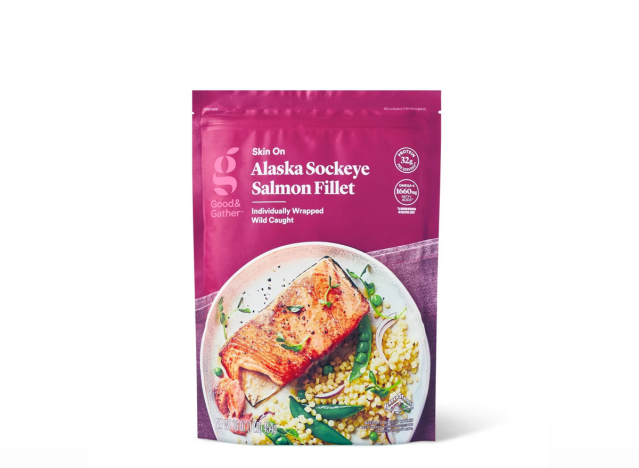
Among the categories experiencing significant consumer pushback are various seafood and meat products, where perceptions of freshness, flavor, and preparation quality are paramount. The Good & Gather Alaska Sockeye Salmon Skin On Fillets, for instance, has drawn criticism primarily centered on its organoleptic properties. Customers have reported an unusually high sodium content and an undesirable, persistent aftertaste, distinguishing it negatively from other salmon products. This feedback underscores the inherent difficulties in preserving the delicate flavor profile of wild-caught fish through freezing processes and highlights the discerning palate of consumers when it comes to premium seafood. When an item like sockeye salmon, known for its rich flavor and vibrant color, fails to deliver on taste, it directly impacts perceived value, leading to returns even if structural issues like bones or parasites are absent.
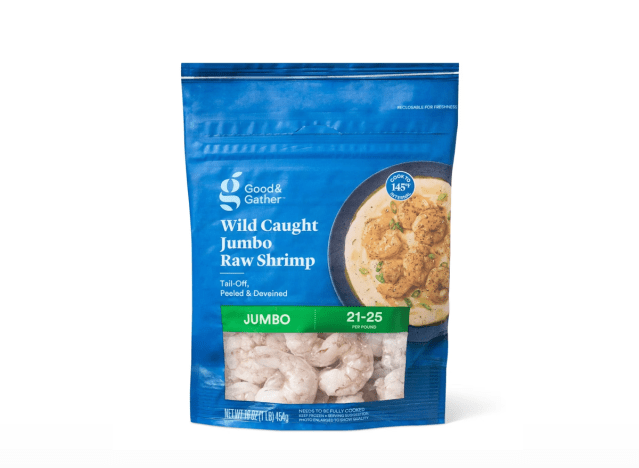
Similarly, the Good & Gather Wild Caught Jumbo Raw Shrimp has generated mixed reviews, largely due to concerns regarding its preparation. Numerous consumers have consistently pointed out that a substantial portion of the shrimp in each package arrives inadequately cleaned, specifically noting the presence of the digestive tract. This oversight necessitates additional preparation time and effort for the consumer, directly contradicting the convenience often sought in frozen seafood products. The expectation for raw, peeled, and deveined shrimp, particularly in a "jumbo" designation, is that it should be ready for immediate cooking or minimal additional handling. When this fundamental expectation is not met, it detracts significantly from the product’s appeal, impacting both satisfaction and willingness to repurchase.
Moving beyond seafood, the All Natural Turkey Burger Patties under the Good & Gather brand have also faced a wave of unfavorable comments. Shoppers experimenting with this leaner protein alternative have frequently described the texture as reminiscent of "damp cardboard" or "rubber," with a largely unappetizing flavor profile. These strong descriptors indicate a profound disconnect between the product and consumer expectations for a palatable, satisfying burger substitute. The challenge for turkey burgers lies in achieving a moist, flavorful patty despite the inherent leanness of the meat, often requiring careful formulation to prevent dryness and blandness. When a product marketed as a healthy choice fails on fundamental taste and texture, it not only leads to returns but can also erode confidence in the broader category of alternative meat products offered by the brand.
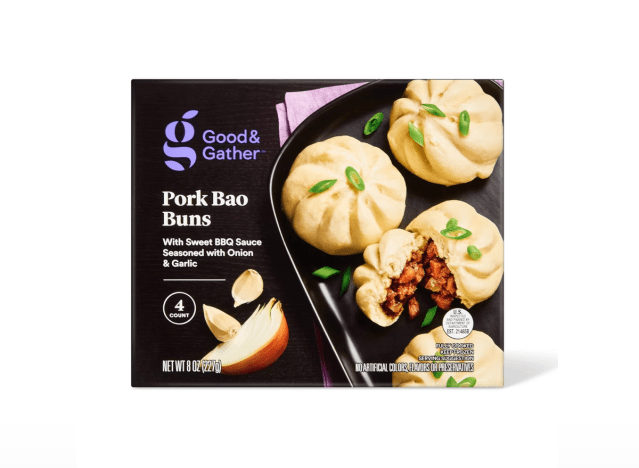
The realm of frozen convenience foods, particularly those inspired by international cuisine, presents another set of challenges for private labels. The Good & Gather Frozen BBQ Pork Bao Buns have undergone changes that have alienated a segment of their loyal customer base. Previous iterations of the product were reportedly more generously portioned and featured a lighter, fluffier dough with a balanced filling. Recent feedback, however, laments a reduction in quantity, a denser, "stodgy" dough, and an overly sweet filling. This type of product reformulation, often driven by cost-saving measures or supply chain adjustments, can have significant repercussions. Long-term customers, who rely on the brand for consistent quality, are particularly sensitive to such alterations. The perceived degradation in quality and value for money directly contributes to consumer disappointment and subsequent returns, illustrating the delicate balance between product evolution and customer loyalty.
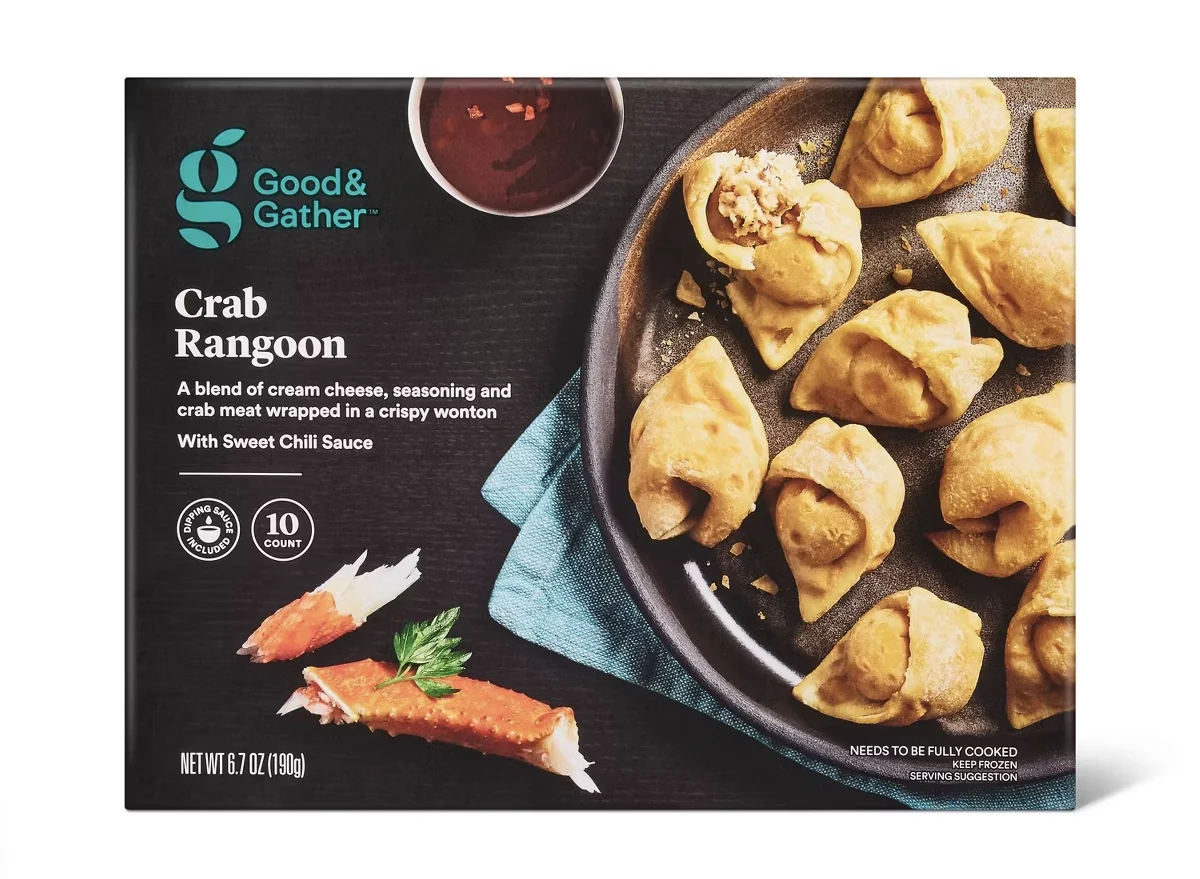
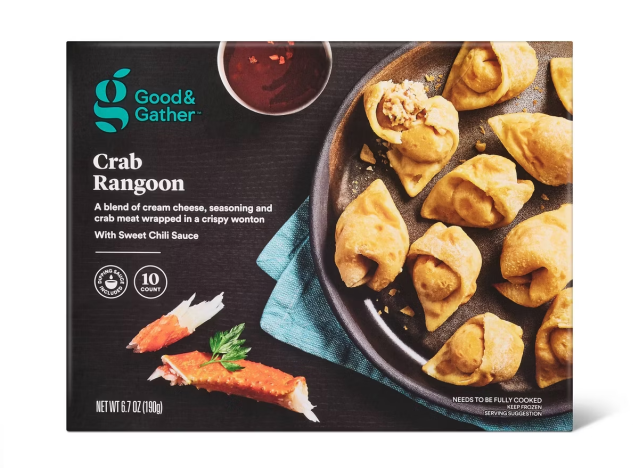
In a similar vein, the Good & Gather Frozen Crab Rangoon has struggled to impress consumers. Criticism targets both the dough and the filling, with many describing the wrapper as flavorless and failing to achieve a desirable crispness when cooked. Furthermore, the filling, a critical component of this popular appetizer, has been characterized as bland, somewhat "fishy," and lacking the distinct creamy, savory notes typically associated with crab rangoon. Replicating the authentic taste and texture of complex dishes in a frozen, mass-produced format is inherently difficult. Achieving the right balance of flavors, the correct dough consistency, and a filling that genuinely evokes its namesake ingredients requires meticulous development. When these elements fall short, the product fails to deliver the expected culinary experience, resulting in dissatisfaction.
Pasta dishes, a staple in many households for quick and easy meals, also appear on the list of frequently returned items. The Good & Gather Frozen Four Cheese Gnocchi has seen its reputation plummet following a reported recipe alteration. Consumers who once enjoyed the product now describe it as "gray and inedible," a stark contrast to its previous "fantastic" quality. Such a dramatic shift in perceived quality, leading to a product being deemed fundamentally unpalatable, represents a significant misstep in product development or manufacturing. For a brand that relies on consistent quality to build trust, a change that renders a previously well-regarded item undesirable can have a far-reaching impact on consumer perception of the entire private label line.
Finally, prepared poultry, often sought for its convenience, has also been a source of frustration. The No Antibiotics Ever Diced & Grilled Chicken Breast has drawn considerable ire regarding its quality and composition. Numerous reports highlight a disproportionate amount of gristle, fat, and dark meat, with white meat making up only a small fraction of the product. This directly contradicts consumer expectations for diced and grilled chicken breast, which implies lean, uniformly prepared white meat. Issues of inconsistent quality control, where the contents of the package deviate significantly from what is implied by the product description, lead to feelings of being misled and cheated. Such discrepancies result in food waste, as consumers often discard large portions, and contribute to a severe erosion of trust in the brand’s commitment to quality and transparency.
The recurring themes among these returned grocery items underscore several critical considerations for Target and its Good & Gather brand. Firstly, private labels thrive on delivering consistent quality and value that rivals or surpasses national brands. When products, particularly those that were once highly rated, undergo changes that diminish their appeal, customer loyalty can quickly dissipate. Secondly, the challenges of mass production, especially for complex or delicate food items like seafood and international cuisine, require stringent quality control measures to ensure that every package meets established standards. Issues like inadequate cleaning of shrimp or excessive gristle in chicken suggest potential gaps in these processes.
Furthermore, consumer reviews and return statistics serve as an invaluable, unfiltered barometer of product performance. Retailers like Target, with their accessible online review platforms and customer-friendly return policies, are uniquely positioned to gather and act upon this real-time feedback. While returns represent a cost, they also present an opportunity for continuous improvement, allowing brands to identify and rectify product deficiencies, re-engage dissatisfied customers, and ultimately strengthen their private label offerings. In an increasingly competitive grocery market, where consumers have an abundance of choices, maintaining high standards for private label products is not merely about avoiding returns; it is about building enduring trust and loyalty that underpins long-term success.
About the Author