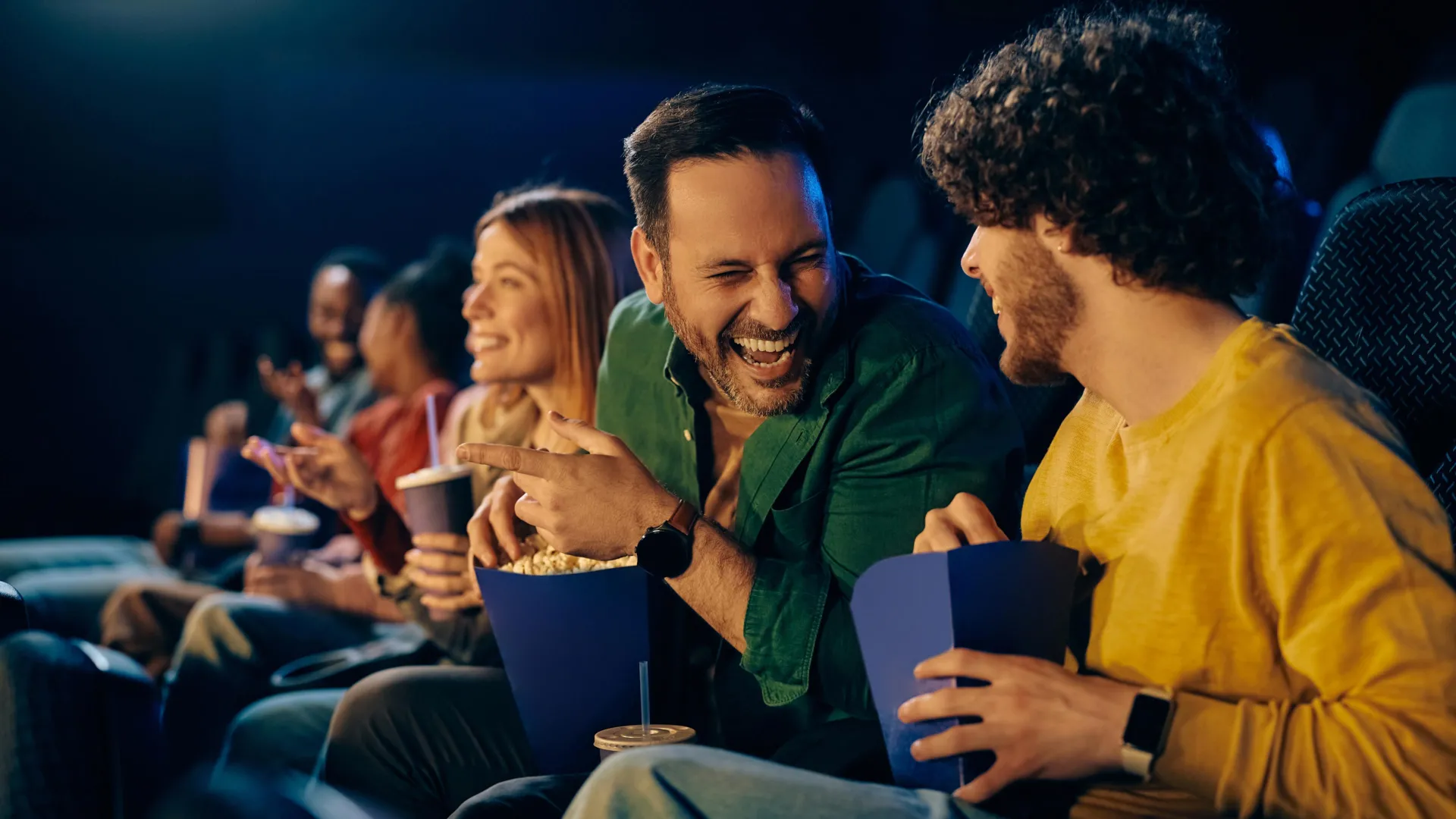
Engaging in activities such as visiting art galleries, attending theatrical performances, experiencing live music, and watching films might offer benefits extending far beyond mere leisure and entertainment. Emerging scientific inquiry indicates a compelling correlation between regular participation in these cultural pursuits and a demonstrably younger physiological age, suggesting that the body’s functional capabilities may more closely resemble those of a younger individual.
These significant findings, detailed in a recent publication within the Journal of Epidemiology and Community Health, lend substantial weight to the accumulating body of evidence suggesting that a vibrant social and cultural life plays a pivotal role in promoting healthy longevity. While the inexorable march of time affects everyone chronologically, the rate at which our bodies age, our physiological age, can exhibit considerable individual variation. This biological age reflects the efficiency and robustness of bodily functions, often diverging from our chronological age, which is simply the count of years lived.
Prior scholarly investigations have already established links between engagement in cultural endeavors – including cinematic outings, museum visits, and live artistic presentations – and enhanced well-being and health outcomes among older adults. However, the specific question of whether these activities directly influence the very process of physiological aging has been explored in comparatively fewer studies. Addressing this gap, a team of scientists from the Institute of Science Tokyo in Japan embarked on what is believed to be the inaugural longitudinal study designed to meticulously examine this relationship, crucially incorporating statistical controls for unmeasured variables that remain constant over time.
To rigorously assess the study’s findings, the research team meticulously analyzed data sourced from 1,899 adult participants enrolled in the English Longitudinal Study of Ageing. This extensive, ongoing population-based research project encompasses a nationally representative cohort of individuals aged 50 and above residing in England. The participants contributed their health and lifestyle data across a minimum of two distinct survey periods, conducted between 2004/2005, 2006/2007, and 2008/2009, providing a valuable longitudinal perspective.
The estimation of physiological age was achieved through a comprehensive battery of objective health indicators. Trained nurses took precise measurements of ten key physical markers. These included crucial cardiovascular indicators like pulse pressure and diastolic blood pressure, respiratory function assessed by forced expiratory volume, hematological parameters such as hemoglobin concentration and glycated hemoglobin, lipid profiles incorporating low-density lipoprotein (LDL) cholesterol, anthropometric data like body mass index (BMI), and functional assessments comprising grip strength and walking speed. These diverse measurements were then integrated into a singular, composite physiological age score, offering a nuanced representation of biological aging.
Concurrently, participants provided detailed self-reports regarding the frequency of their attendance at specific cultural venues: the cinema, museums or art galleries, and theaters, concerts, or opera houses. Each type of cultural activity was assigned a score ranging from zero, signifying infrequent or no attendance, to five, indicating attendance twice a month or more. The aggregation of these individual scores yielded a comprehensive cultural engagement score, with a potential range spanning from zero to fifteen, reflecting the breadth and depth of each individual’s cultural participation.
The analysis revealed a striking divergence in physiological age based on the level of cultural engagement. Individuals exhibiting higher engagement – defined as participating in cultural activities at least every few months – demonstrated an average physiological age of 66.9 years. In stark contrast, those reporting lower levels of participation presented with an average physiological age of 69.9 years, indicating a tangible difference of approximately three years in biological age.
Furthermore, the study identified several demographic and socioeconomic characteristics more prevalent among those with higher cultural engagement. These individuals were more likely to identify as female, possess higher socioeconomic status, be gainfully employed, and already report a generally better baseline state of overall health. These observations suggest that cultural engagement may be intertwined with broader indicators of well-being and social advantage.
After meticulously adjusting for a range of confounding variables, including household income, employment status, and the presence of chronic health conditions, the researchers uncovered a statistically significant association. For every single-point increase in the cultural engagement score, there was a corresponding reduction in physiological age by approximately 0.085 years, equivalent to about 31 days. This incremental benefit, while seemingly small on a per-point basis, underscores the cumulative positive impact of sustained cultural participation.
The researchers propose several plausible mechanisms through which cultural activities might exert their beneficial effects on physiological aging. Foremost among these is the potential for cultural engagement to foster and strengthen social connections. Interacting with others at cultural events can combat social isolation, a known risk factor for accelerated aging. Moreover, the cognitive stimulation derived from engaging with art, music, or drama can contribute to maintaining brain health and plasticity. Additionally, individuals who actively seek out cultural experiences may be more inclined to adopt and maintain other healthy lifestyle habits, such as regular exercise or a balanced diet, which are independently associated with slower biological aging. The intrinsic enjoyment and sense of purpose derived from these activities can also positively influence mental health, further contributing to a more resilient physiological state.
It is imperative to acknowledge the observational nature of this research, which precludes the establishment of definitive cause-and-effect relationships. While the findings strongly suggest an association, they cannot definitively prove that cultural activities directly decelerate the aging process. The study authors also prudently highlight the possibility of reverse causation, wherein individuals who are already healthier and possess greater vitality might simply be more predisposed and capable of attending cultural events.
Notwithstanding these limitations, the researchers advocate for the view that cultural engagement represents a modifiable behavior with significant potential to be integrated into effective public health strategies aimed at promoting healthy aging. They compellingly note that the observed impact of cultural activities on physiological age can be comparable in magnitude to that of frequent physical exercise, a well-established cornerstone of healthy living. This comparison elevates the importance of cultural participation from a mere leisure pursuit to a potential public health intervention.
Looking forward, the research team suggests that efforts to enhance the accessibility of cultural events – both geographically and financially – could unlock opportunities for broader societal participation. By removing barriers to entry, more individuals could potentially benefit from the salutary effects of cultural immersion. Ultimately, further longitudinal research is warranted to ascertain whether actively encouraging increased cultural engagement translates into lasting improvements in health outcomes and a sustained trajectory of healthier aging over extended periods. The ongoing exploration of this fascinating nexus between culture and biology promises to yield valuable insights for optimizing human longevity and well-being.
About the Author