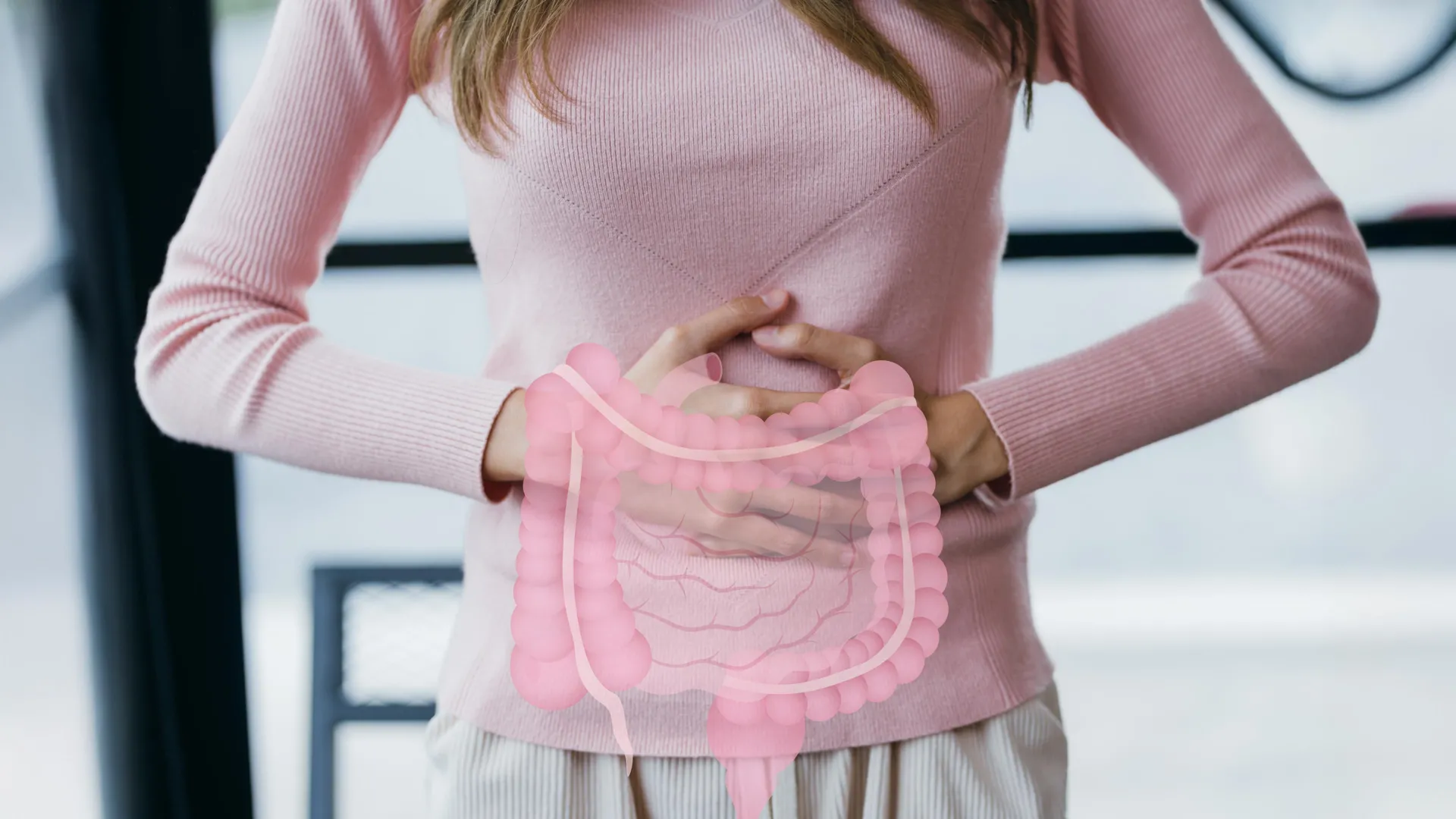
Functional gastrointestinal disorders, such as Irritable Bowel Syndrome (IBS), and chronic inflammatory conditions like Inflammatory Bowel Disease (IBD), represent a significant global health challenge, affecting millions and profoundly impacting quality of life. Patients often grapple with debilitating symptoms ranging from abdominal discomfort and bloating to altered bowel habits, including chronic diarrhea or constipation. A common thread linking many of these conditions is dysregulation in gastrointestinal motility – the coordinated, involuntary muscular contractions that propel food and waste through the digestive tract. Current therapeutic options, while varied, often provide only symptomatic relief, highlighting an urgent need for novel strategies that address the underlying mechanisms of gut dysfunction. In this context, recent investigative work from Japan’s Toho University has brought to light a promising avenue: the potential role of a ubiquitous plant-derived compound, ferulic acid, in modulating the contractility of intestinal smooth muscles, offering a new perspective on managing these complex digestive ailments.
The pioneering research, spearheaded by Dr. Keisuke Obara, Dr. Kento Yoshioka, and Professor Yoshio Tanaka from Toho University’s esteemed Faculty of Pharmaceutical Sciences, delves into how ferulic acid (FA) directly influences the rhythmic squeezing of the gut wall. Their findings suggest that this natural substance possesses the remarkable ability to diminish the intensity of intestinal muscle spasms by interfering with specific cellular pathways involving calcium ions. This discovery marks a significant step forward, potentially paving the way for innovative nutritional or pharmacological interventions aimed at restoring balanced gut movement in individuals suffering from conditions characterized by either excessive or inadequate digestive transit.
Ferulic acid itself is a fascinating molecule, classified as a hydroxycinnamic acid, a subgroup of the larger family of phenolic acids, which are prominent members of the broader polyphenol class. These compounds are secondary metabolites produced by plants, playing crucial roles in plant defense mechanisms. In the human diet, FA is abundantly present across a wide spectrum of plant-based foods, particularly concentrated in the outer layers of whole grains like rice, wheat, oats, corn, and barley. Beyond cereals, it is also found in significant quantities in various fruits such as oranges, pineapples, and apples, and vegetables including tomatoes, carrots, and asparagus, as well as in beverages like coffee. For centuries, traditional medicine systems have implicitly harnessed the benefits of FA-rich foods, though its precise mechanisms of action within the human body have only recently become subjects of intense scientific scrutiny. Previous investigations have largely focused on FA’s well-documented health-promoting attributes, including its potent antioxidant capacity, its ability to mitigate inflammatory responses, its neuroprotective effects against age-related cognitive decline, and even its potential anticarcinogenic properties. These broader benefits stem from its chemical structure, which allows it to scavenge harmful free radicals and modulate cellular signaling pathways associated with disease pathogenesis.
Despite the growing body of knowledge surrounding ferulic acid’s systemic health advantages, its specific impact on the intricate mechanics of the digestive system, particularly on the coordinated muscle actions that govern gut transit, remained comparatively unexplored. Individuals afflicted with disorders like IBS and IBD frequently experience profound disruptions in this delicate balance. Some patients endure hyperactive gut muscles, leading to rapid transit, diarrhea, and intense cramping, while others struggle with sluggish movement, resulting in chronic constipation and discomfort. Recognizing this critical knowledge gap, the research team at Toho University embarked on a mission to ascertain whether ferulic acid could directly modulate these fundamental muscular contractions, thereby offering a targeted approach to managing such symptoms.
To investigate this hypothesis, the scientists meticulously designed experiments utilizing isolated tissue preparations. They employed sections of guinea pig ileal longitudinal smooth muscle (ILSM), a well-established and physiologically relevant model for studying human gut contractility due to its anatomical and functional similarities. In a controlled laboratory setting, the team observed that the introduction of ferulic acid led to a remarkable and statistically significant reduction in muscle contractions. These contractions had been experimentally induced by various signaling molecules known to trigger gut spasms, including acetylcholine (a primary neurotransmitter in the enteric nervous system), histamine (an inflammatory mediator), prostaglandin F2α (a lipid compound involved in inflammation and muscle contraction), and serotonin (another crucial neurotransmitter influencing gut motility). The consistent inhibitory effect across these diverse triggers suggested that FA was influencing a fundamental mechanism common to muscle contraction pathways.
Further characterization of ferulic acid’s action revealed several important properties. The observed inhibitory influence on muscle contractility was found to be entirely reversible; once ferulic acid was withdrawn from the experimental setup, the smooth muscle tissues regained their normal contractile activity. This reversibility is a crucial characteristic for any potential therapeutic agent, implying that its effects are not permanent and can be controlled. Moreover, the team established that the compound’s potency was concentration-dependent, meaning that higher concentrations of ferulic acid elicited a more pronounced reduction in muscle contractions. This dose-response relationship is a cornerstone of pharmacology, indicating a direct and quantifiable interaction between the substance and its biological target. Intriguingly, the research also suggested that ferulic acid operated in a noncompetitive manner. This implies that it did not simply block the specific receptor sites typically occupied by the aforementioned signaling molecules. Instead, it appeared to intervene at a downstream point in the cellular cascade, affecting a shared, more generalized mechanism essential for muscle contraction, irrespective of the initial trigger.
To unravel this underlying mechanism, the researchers conducted additional investigations using vascular smooth muscle cell models, which share fundamental contractile machinery with intestinal smooth muscles. These experiments provided a crucial clue: ferulic acid significantly attenuated the rise in intracellular calcium levels induced by potassium chloride. This finding pointed directly to calcium ions as the key players in FA’s mode of action. Calcium entry into smooth muscle cells is a central event in triggering contraction. Upon stimulation, specialized protein channels embedded in the cell membrane open, allowing calcium ions to flood into the cell’s interior. This influx of calcium then initiates a complex series of molecular events, ultimately leading to the binding of actin and myosin filaments and the shortening of the muscle cell, resulting in contraction. The Toho University team’s data strongly indicated that ferulic acid effectively suppresses this critical process by inhibiting the activity of voltage-dependent calcium channels. These specialized channels, which open in response to changes in electrical potential across the cell membrane, are the primary gateways for calcium entry in smooth muscle cells. By impeding their function, ferulic acid reduces the intracellular calcium signals necessary for the muscles to tighten, thereby leading to relaxation or reduced contraction.
The implications of these findings are particularly pertinent for individuals grappling with specific types of digestive conditions. By effectively calming excessive smooth muscle activity, ferulic acid could serve as a valuable natural regulator of intestinal motility. For patients suffering from conditions characterized by an overactive gut, such as diarrhea-predominant IBD (e.g., during active flares of ulcerative colitis or Crohn’s disease that manifest with frequent, urgent bowel movements) or diarrhea-predominant IBS (IBS-D), this mechanism holds significant therapeutic promise. By mitigating the frequency and intensity of gut spasms, ferulic acid could potentially alleviate symptoms like abdominal pain, cramping, and the disruptive urgency of bowel movements, thereby enhancing patient comfort and improving their overall quality of life.
However, the researchers also underscored the importance of a nuanced perspective regarding ferulic acid’s potential therapeutic application. While its muscle-calming effects could be highly beneficial for hypermotility, the same mechanism might not be universally advantageous for all digestive conditions or for healthy individuals. For example, in patients with constipation-predominant IBS (IBS-C), or in healthy individuals whose gut transit is already within normal parameters or even slightly slow, further dampening intestinal movement could potentially exacerbate existing constipation or induce new related symptoms. This highlights the intricate and often paradoxical nature of gastrointestinal physiology, emphasizing that effective interventions often require a personalized approach tailored to the specific manifestation of a patient’s motility disorder.
A significant hurdle in translating these compelling laboratory observations into clinical practice lies in the discrepancy between the experimental conditions and physiological realities. The concentrations of ferulic acid that demonstrated a potent effect in the in vitro (test tube) experiments were considerably higher than the typical levels of FA that circulate in the bloodstream following normal dietary intake. This disparity is a common challenge in early-stage pharmaceutical and nutraceutical research, where the isolated environment of a laboratory dish may not fully replicate the complex pharmacokinetics and bioavailability within a living organism.
Despite this challenge, the researchers proposed a compelling hypothesis: while systemic blood levels might be relatively low, the concentrations of ferulic acid directly within the intestinal lumen could be substantially higher after the consumption of FA-rich foods or supplements. This is because the compound would come into direct contact with the digestive tract lining, potentially exerting a localized therapeutic effect before being extensively absorbed or metabolized. Furthermore, the burgeoning understanding of the gut microbiome’s role in metabolizing dietary compounds suggests that FA might be converted into other active metabolites by gut bacteria, which could then exert their effects locally. This concept of localized action offers a plausible bridge between the high in vitro efficacy and the lower systemic concentrations observed in humans.
Ultimately, the study provides a robust scientific foundation for further exploration into ferulic acid’s potential as a dietary or supplemental intervention to regulate gut movement. The next critical steps involve rigorous human studies, specifically well-designed clinical trials. These trials will be indispensable for confirming whether the promising laboratory findings translate into tangible benefits for people, for identifying which specific patient populations (e.g., those with particular subtypes of IBS or IBD) are most likely to respond positively, and for determining safe and effective intake levels. The journey from a promising natural compound discovered in rice bran to a clinically validated therapeutic strategy is long and complex, but the insights from Toho University offer a beacon of hope for improving digestive health and enhancing the lives of countless individuals burdened by chronic gastrointestinal disorders. This research not only illuminates a potential new therapeutic agent but also deepens our fundamental understanding of how dietary components interact with the intricate machinery of the human digestive system.
About the Author