
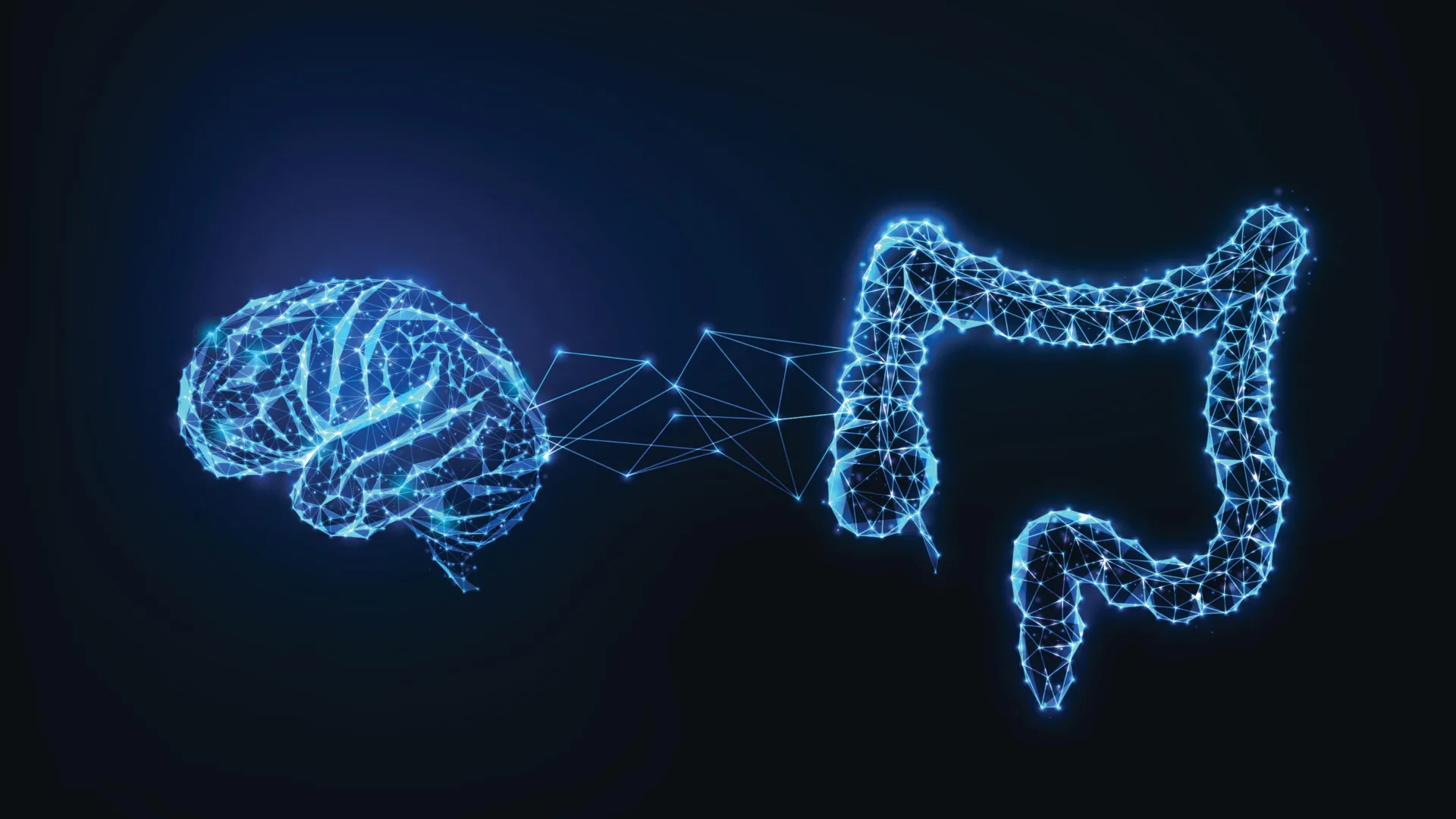
New scientific investigations are illuminating a fascinating connection between our digestive tract and the intricate processes of memory formation, suggesting that the body’s internal nutrient sensing mechanisms play a pivotal role in solidifying recollections, particularly those associated with sustenance. This groundbreaking research challenges the traditional view of memory as solely a cerebral function, proposing instead a dynamic interplay where signals originating from the gut actively participate in determining which experiences become etched into our minds. The implications of this discovery extend beyond simple recall, offering potential insights into cognitive health and therapeutic strategies for memory-related disorders.
At the forefront of this research is a study spearheaded by Professor Scott Kanoski and his team at the University of Southern California’s Dornsife College of Letters, Arts and Sciences, which meticulously explores the conduit through which the digestive system communicates with the brain. Their work centers on the vagus nerve, a crucial cranial nerve that serves as a primary bidirectional highway of information between the gastrointestinal system and the central nervous system. While its role in regulating digestive functions, appetite, and satiety has long been recognized, this latest research posits that the vagus nerve also transmits signals that are instrumental in the brain’s ability to store and retrieve memories, especially those linked to the acquisition and consumption of food.
The study’s findings, published in the esteemed journal Nature Communications, reveal a compelling mechanism by which gut-derived information influences memory. Through a series of experiments conducted on laboratory rats, researchers observed a significant surge in the release of acetylcholine within neurons connected to the hippocampus following the ingestion of nutrient-dense foods. The hippocampus, a brain region universally acknowledged for its indispensable function in learning and memory, is where new information is processed and consolidated into lasting memories. Acetylcholine, a vital neurotransmitter, acts as a key facilitator in this process, essentially enabling the brain to encode new experiences. The observed elevation in acetylcholine levels was directly contingent upon the transmission of signals from the gut, traversing the vagus nerve.
Crucially, when the research team experimentally obstructed the communication pathways along the vagus nerve, the anticipated increase in acetylcholine post-ingestion was abolished. Furthermore, the rats subjected to this neural disruption exhibited marked difficulties in memory-dependent tasks, specifically struggling to recall the locations where they had recently discovered food. This experimental outcome provides robust evidence for the direct involvement of the gut-brain axis, mediated by the vagus nerve, in the encoding of spatial memories related to food sources.
A particularly intriguing aspect of the research is the distinction drawn between sensory pleasure and actual nutritional value. The experiments demonstrated that the brain’s memory-forming apparatus responded more robustly to the nutritional composition of food rather than its mere palatability or sweetness. Rats that consumed foods rich in fats and sugars exhibited heightened activity in neural pathways associated with memory. In contrast, animals that were given liquids with sweet flavors but devoid of caloric or nutritional substance did not elicit the same memory-enhancing response. This suggests a sophisticated biological system that can differentiate between the deceptive allure of sweetness and the genuine nutritional benefit offered by food.
According to Logan Lauer, the lead author of the study and a doctoral candidate in Professor Kanoski’s laboratory, this intricate mechanism likely evolved to equip organisms with the ability to remember vital information about food resources. The capacity to recall the precise locations of plants that yield essential nutrients, particularly during specific seasons, could be a matter of survival for foraging animals. The signals originating from the gut serve as a potent cue to the brain, conveying the message: "This meal was nutritionally rewarding; therefore, it is imperative to remember the source and the method of acquisition." This internal messaging system ensures that energy-rich and nutrient-laden encounters are prioritized for memory consolidation.
For creatures navigating the complexities of the natural world, the ability to remember the precise whereabouts of a dependable food supply is paramount for survival. A meal that provides substantial nutritional benefits can trigger a cascade of signals from the gut, prompting the brain to meticulously store details about the location, environmental context, and methods employed to obtain that valuable sustenance. This biological imperative helps explain why certain food-related experiences become exceptionally vivid and enduring in our memories. Our bodies appear to be intrinsically programmed to assign greater significance to meals that deliver essential energy or critical nutrients, thereby reinforcing our ability to secure future nourishment.
However, the narrative takes a more cautionary turn when considering the long-term effects of consistently unhealthy dietary choices. While the short-term impact of sugar- and fat-rich foods on memory pathways is pronounced, chronic exposure to such diets can, paradoxically, attenuate this beneficial gut-brain signaling. The research indicated that rats subjected to high-fat and high-sugar diets from an early stage of life subsequently displayed diminished communication between their digestive systems and the hippocampus. Alarmingly, these memory-related neural responses remained subdued even after a return to a healthier dietary regimen. These animals also performed poorly on memory recall tasks, underscoring the detrimental and potentially lasting impact of poor nutrition on the very systems that facilitate memory formation. This suggests that prolonged indulgence in processed and nutrient-poor foods can disrupt the delicate gut-to-brain communication network that initially aids in the recording of food-related memories.
The ramifications of these findings extend significantly to human health, offering a potential biological underpinning for the observed correlations between obesity, inadequate nutrition, and metabolic disorders like diabetes, and an increased risk of cognitive decline. This research proposes a plausible pathway through which frequent consumption of unhealthy foods may gradually impair or disrupt the intricate communication between the gut and the brain, thereby compromising the optimal functioning of the memory system. The implications may also shed light on the underlying mechanisms of neurodegenerative diseases.
Professor Kanoski points out that the disruption of acetylcholine signaling within the hippocampus is recognized as one of the earliest neurochemical alterations observed in conditions such as Alzheimer’s disease. By elucidating the role of gut signaling via the vagus nerve in boosting this system, the research opens avenues for exploring novel therapeutic interventions. These could potentially leverage vagus nerve stimulation or other strategies aimed at enhancing gut-brain communication to support cognitive function.
The discovery thus presents an exciting prospect for the development of future therapeutic approaches focused on fortifying the communication channels between the digestive system and the brain. Strategies that involve stimulating the vagus nerve or improving the overall health of the gut microbiome could eventually be investigated as means to bolster memory function and preserve cognitive acuity. Vagus nerve stimulation is already undergoing evaluation for a range of neurological and psychiatric conditions, and this new understanding suggests that memory enhancement could emerge as another significant area of clinical interest.
While the researchers emphasize the need for further investigation to ascertain whether these findings directly translate to humans, the current experimental evidence strongly supports a profound and intricate collaboration between the gut and the brain, a partnership far more sophisticated than previously understood. The collaborative effort involved in this study included researchers from USC Dornsife, Bucknell University, and Université de Montréal, with financial support from various national health institutes and foundations dedicated to advancing the understanding of diabetes, digestive and kidney diseases, aging, and Alzheimer’s disease.
About the Author












