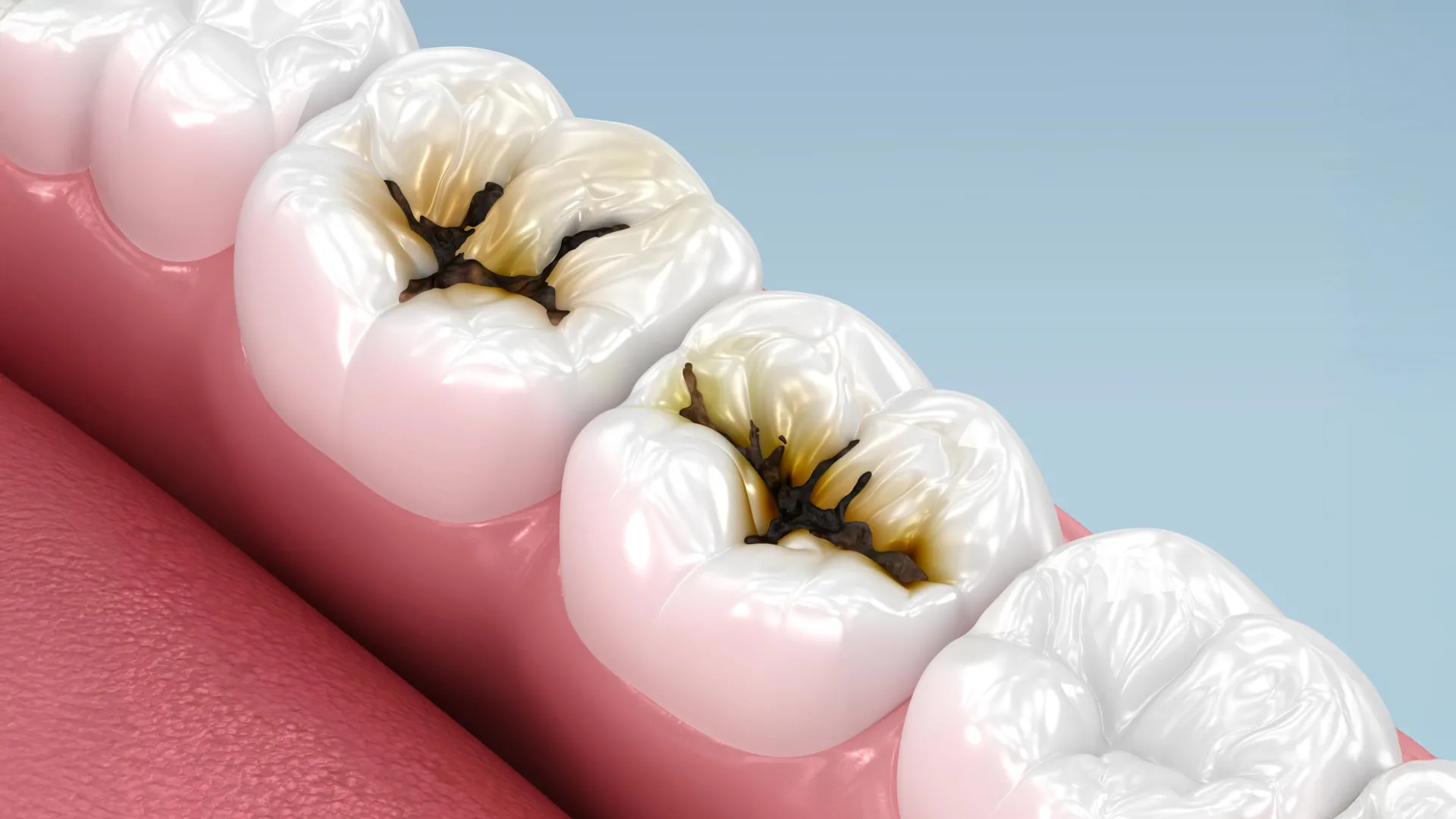
A significant advancement in pediatric oral health promises a less distressing and more accessible method for combating tooth decay, potentially averting thousands of emergency room visits and complex surgical interventions among young children annually. This innovative approach centers on a widely available, inexpensive liquid solution, silver diamine fluoride (SDF), which offers a profound departure from traditional dental treatments. Rather than relying on drills, injections, or sedatives, SDF is meticulously applied directly to the site of decay using a specialized applicator, a process that requires mere seconds per tooth. This application effectively arrests the progression of cavities, providing a vital respite from pain and infection for countless individuals, particularly those who face significant barriers to conventional dental care.
Silver diamine fluoride, a compound with a long history of successful application in various global contexts for decades, has been utilized in the United States since 2014. However, its use during this period was primarily as a medical device designated for the alleviation of tooth sensitivity, rather than as a direct therapeutic agent for active decay. The absence of comprehensive, large-scale clinical trials conducted within the U.S. had precluded the Food and Drug Administration (FDA) from formally approving SDF as a drug specifically indicated for the treatment of tooth decay. This regulatory hurdle meant that its application for cavity arrest remained "off-label," limiting its widespread adoption and insurance coverage.
A pivotal Phase III clinical trial, spearheaded by researchers at the University of Michigan and published in the esteemed journal JAMA Pediatrics, has now generated the robust data necessary to bridge this evidentiary gap. The extensive study enrolled 830 children under the age of six, drawing participants from a diverse range of settings including dental practices, pediatric medical offices, and federally funded early childhood education programs such as Head Start and Early Head Start across Michigan, New York, and Iowa. This multi-site, comprehensive trial was meticulously designed to gather conclusive information on the safety and efficacy of SDF as a primary intervention for early childhood caries.
The findings from this landmark trial revealed that SDF demonstrated a remarkable capacity to halt the progression of decay in a substantial proportion of primary teeth. Specifically, when applied at six-month intervals, the treatment was successful in arresting decay in over half of the affected baby teeth in 38% of the participants. This outcome stands in stark contrast to conventional cavity management, which typically necessitates the mechanical removal of decayed tooth structure and the subsequent placement of a filling. SDF bypasses these invasive steps entirely; the liquid is simply painted onto the compromised enamel and dentin.
Dr. Margherita Fontana, a distinguished professor of dentistry at the University of Michigan School of Dentistry and the lead investigator of the study, emphasized the treatment’s profound implications. She stated that SDF represents a highly effective and safe therapeutic option, even for children as young as one year old. Tooth decay, or dental caries, remains the most prevalent chronic disease affecting children in the United States, impacting more than 40% of this demographic. Untreated cavities can precipitate a cascade of serious health issues, including debilitating pain, severe infections, disruptions to essential functions like eating and sleeping, significant absenteeism from school, and a cycle of repeated medical and dental appointments, underscoring the urgent need for accessible and effective interventions.
The unique characteristics of SDF position it as a particularly valuable therapeutic option for populations that often face challenges in accessing or tolerating standard dental care. Dr. Fontana highlighted its potential to serve individuals with special needs, including very young children, elderly patients, individuals with developmental or physical disabilities, and those experiencing profound dental anxiety. Furthermore, SDF offers a crucial lifeline for individuals with limited access to conventional dental services or those for whom traditional procedures are logistically or physically difficult to endure. It can also serve as a critical interim measure, providing relief and preventing further damage while patients await more definitive restorative treatments or navigate financial or logistical obstacles.
A notable, albeit cosmetic, drawback of the SDF treatment is that the silver component permanently stains the decayed portion of the tooth a dark color. While this discoloration is a visible consequence, researchers and clinicians maintain that its public health benefits far outweigh this aesthetic consideration, especially when compared to the severe pain, infection, and potential systemic complications associated with untreated decay. Dr. Fontana articulated the necessity of such rigorous evidence, stating, "If we want more children and families to benefit from this treatment, we need rigorous evidence showing both that it works and that it’s safe." She further elaborated on the public health imperative, noting that for broader implementation across the U.S., particularly within medical settings, meticulously collected data from diverse U.S. populations is essential, and this study now provides that critical foundation.
The research initiative commenced in 2018 and demonstrated remarkable resilience, continuing its progress despite the unprecedented disruptions introduced by the COVID-19 pandemic. This perseverance underscores the scientific community’s commitment to addressing pressing public health needs. Dr. Fontana explained the significance of high-quality evidence in clinical practice, remarking, "In medicine, clinicians want high-quality evidence before changing practice." She underscored the importance of readily available data for medical professionals, especially pediatricians who often serve as the primary healthcare providers for young children long before they establish a dental home. Broader acceptance and integration of SDF into medical practice could facilitate the treatment of numerous cavities in their early stages, preventing them from escalating into painful, infected conditions requiring extensive surgical intervention.
The successful completion of this extensive clinical trial is poised to significantly influence the regulatory landscape for SDF. The data generated by the study are intended to support a formal drug application for dental caries to the FDA by the manufacturer, Elevate Oral Care, which supplied the Advantage Arrest 38% SDF product utilized in the research. This collaborative effort also involved researchers from New York University, the University of Iowa, and Indiana University, in addition to the National Institute of Dental and Craniofacial Research (NIDCR) of the National Institutes of Health (NIH), which provided substantial funding exceeding $12 million to support the groundbreaking study.
Dr. Amr Moursi, a professor of pediatric dentistry at New York University College of Dentistry and a co-principal investigator on the study, expressed optimism about the findings’ potential to expand access to this vital treatment. He stated that the results strongly support FDA approval of SDF for managing arrested tooth decay in young children. Removing SDF from its current off-label status, he explained, would represent a significant innovation, likely leading to increased adoption by healthcare providers, improved reimbursement from insurers, and a more standardized and consistent product quality across the industry.
The therapeutic utility of SDF extends beyond immediate cavity arrest, offering flexibility in its application. For many young children, repeated applications of SDF every few months can effectively manage decay until the natural exfoliation of their primary teeth. In adult patients, SDF can function as a long-term management strategy or provide crucial temporary protection, bridging the gap until more permanent restorative procedures become financially feasible or practically achievable. Dr. Fontana concluded by emphasizing the broad applicability and benefit of this treatment, noting, "For almost anyone, this can arrest the decay and stop the infection and the pain it causes. This could benefit many people." This multifaceted approach underscores SDF’s potential to revolutionize cavity management, making effective treatment more accessible, less traumatic, and significantly more equitable.
About the Author