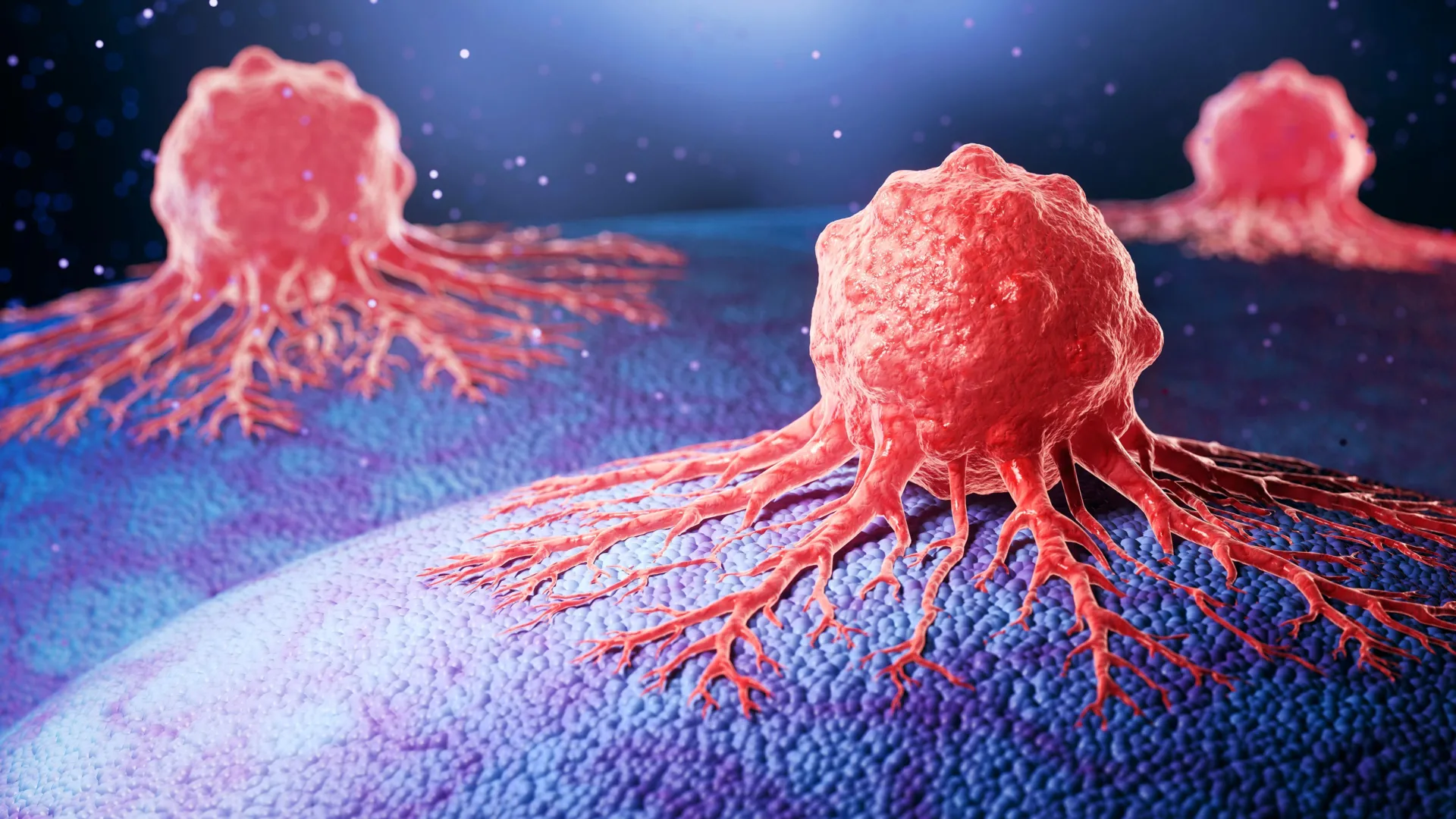
A significant breakthrough in the fight against aggressive prostate cancer has emerged from Umeå University and its collaborators, with the development of an experimental antibody-based therapy designed to impede tumor proliferation and prevent the spread of the disease. Published in the esteemed scientific journal Signal Transduction and Targeted Therapy, this research heralds a potential new avenue for treating a particularly challenging form of cancer.
The core of this innovative approach lies in a meticulously engineered, fully human antibody. This therapeutic agent has been specifically designed to intercept and disrupt the biological pathways that drive cancer cell migration and invasion, a critical step in the progression of metastatic disease. Professor Maréne Landström, a leading figure in pathology at Umeå University’s Department of Medical Biosciences and the principal investigator of the study, expressed considerable satisfaction with the findings. "We are exceptionally pleased and proud to have elucidated the precise mechanisms that fuel cancer cell proliferation, their invasive capabilities, and ultimately, their metastatic dissemination," Professor Landström stated, underscoring the depth of understanding achieved by the research team.
Prostate cancer stands as one of the most prevalent malignancies affecting men globally. While a substantial proportion of prostate tumors exhibit slow growth and pose little immediate threat to life, a subset of these cancers can transform into an aggressive form. This aggressive variant possesses the alarming capacity to extend beyond the confines of the prostate gland, frequently establishing secondary tumors in distant sites such as the lymphatic system and skeletal structures. It is precisely this life-threatening progression that the Umeå University team sought to address.
The development of a fully human antibody is a crucial aspect of this therapeutic strategy. By utilizing human proteins, the antibody is designed to be more compatible with the human immune system, potentially reducing the risk of adverse reactions and making it a more viable candidate for clinical application as a pharmaceutical agent. Preclinical investigations have yielded highly encouraging results, demonstrating the antibody’s efficacy in simultaneously curbing both tumor growth and the metastatic spread in aggressive prostate cancer models. The mechanism through which this antibody operates is novel, suggesting a distinct therapeutic target and potentially offering an improved safety profile compared to existing treatments.
This development represents a substantial milestone in the arduous journey of translating a promising laboratory discovery into a tangible treatment accessible to patients. The preclinical success validates the researchers’ hypotheses and design principles, moving the experimental therapy closer to clinical reality. However, Professor Landström tempered this optimism with a pragmatic outlook, emphasizing the rigorous path that still lies ahead. "This is an undoubtedly promising step forward, but several critical phases must be successfully navigated before this treatment can offer direct benefits to patients," she cautioned. "We are still required to conduct extensive safety evaluations, and subsequently, the therapeutic agent must secure approval from regulatory bodies such as the European Medicines Agency or the U.S. Food and Drug Administration."
The overarching objective of this extensive research endeavor is to significantly enhance the survival rates and improve the quality of life for men diagnosed with advanced-stage prostate cancer. This has been a multi-year undertaking, a testament to the persistent efforts of numerous scientists, research institutions, and vital funding partners. Professor Landström acknowledged the collaborative nature of this work, highlighting the indispensable contributions of various entities.
The SciLifeLab Drug Discovery and Development Platform played a pivotal role, providing specialized expertise crucial for the intricate process of antibody creation. This platform’s capabilities were instrumental in synthesizing and refining the antibody used in the study. Furthermore, the Umeå Biotech Incubator at Umeå University offered essential support, fostering an environment conducive to innovation and scientific advancement. Financial backing from MetaCurUm Biotech AB, a local biotechnology enterprise, was indispensable for the rigorous development and testing phases of this promising treatment.
Looking beyond the immediate implications for prostate cancer, the research team harbors ambitions to explore the broader applicability of their therapeutic strategy. The next logical step involves investigating whether this antibody-based treatment can be effectively deployed against other types of solid tumors. The potential for a versatile therapeutic agent that can combat various cancers is an exciting prospect, and the researchers are eager to test this hypothesis. "Our immediate focus is to ascertain if this therapeutic modality can also be successfully applied to other forms of solid tumors," Professor Landström elaborated. "It is our fervent hope that our ongoing work will ultimately contribute to the development of a novel cancer drug capable of making a meaningful difference in the lives of patients across a wider spectrum of malignancies."
The comprehensive research leading to these findings was made possible through substantial financial support from a consortium of esteemed foundations and governmental bodies. These include the Knut and Alice Wallenberg Foundation (KAW), the Erling Persson Foundation, the Kempe Foundations, the Swedish Research Council, the Swedish Cancer Society, ALF funding, the Swedish Prostate Cancer Federation, the Cancer Research Foundation in Northern Sweden, and the Faculty of Medicine at Umeå University. This broad base of funding underscores the recognized importance and potential impact of the research.
About the Author