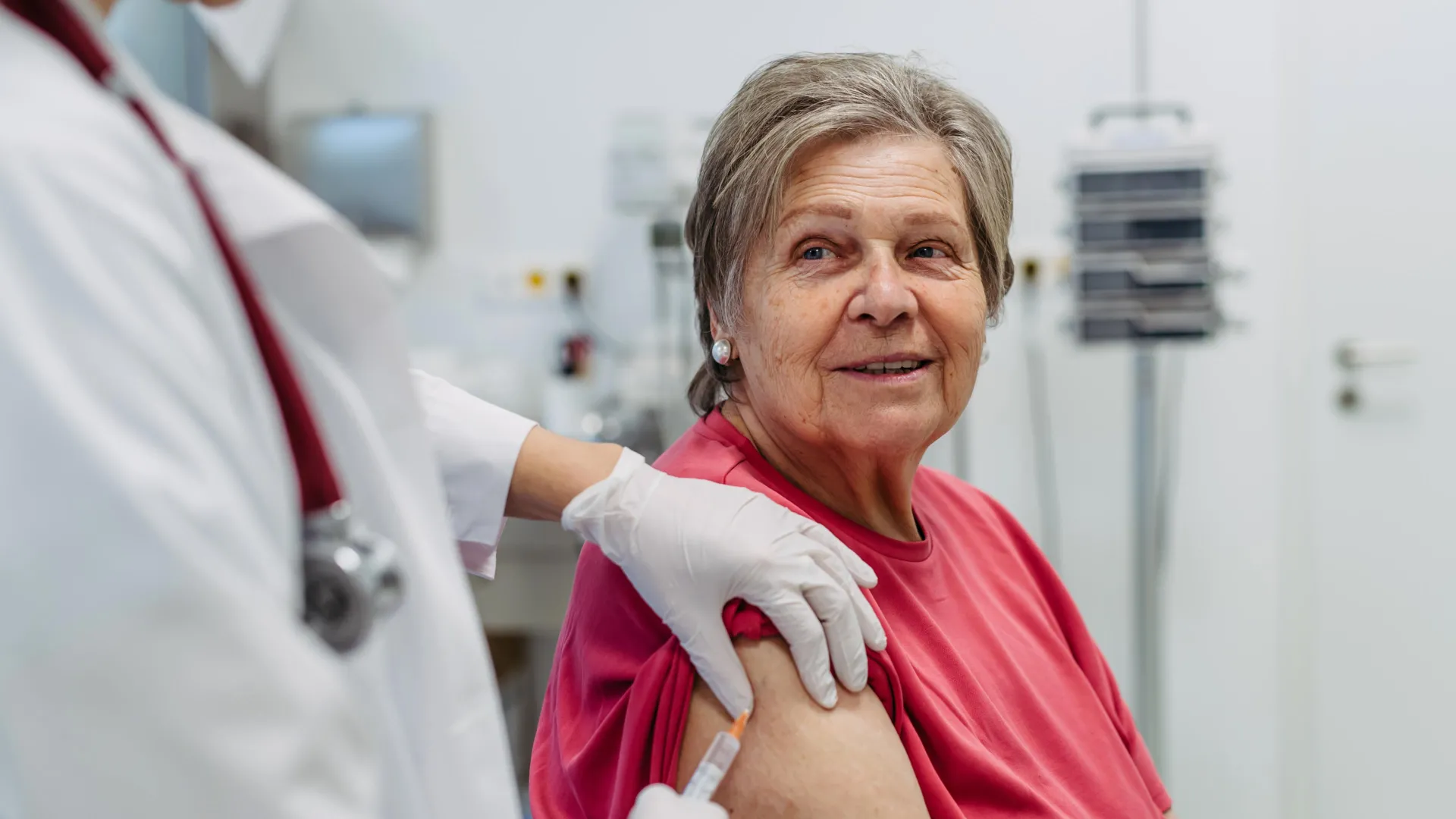
A naturally occurring biomolecule, identified as spermidine, has emerged as a potential ally in enhancing the body’s immunological preparedness, particularly among senior citizens, by counteracting key biological indicators of immune system decline associated with advanced age. This groundbreaking research, detailed in the esteemed journal Aging Cell, illuminates a novel pathway to potentially fortify vaccine effectiveness in a demographic often facing diminished immune responses.
The inexorable march of time exerts a profound influence on the human immune system, a process colloquially termed immunosenescence. This gradual deterioration leads to a reduced capacity for combating infectious agents and can attenuate the robust protective shield typically conferred by vaccinations. Consequently, older individuals may exhibit heightened susceptibility to illness and experience less comprehensive immunity post-immunization, underscoring the critical need for interventions that can rejuvenate or support age-compromised immune functions.
This pioneering investigation was spearheaded by Dr. Katja Simon, a distinguished Group Leader at the Cell Biology of Immunity laboratory within the Max Delbrück Center, in collaboration with Dr. Ghada Alsaleh, an Associate Professor affiliated with the Nuffield Department of Orthopaedics, Rheumatology & Musculoskeletal Sciences (NDORMS) at the University of Oxford. Their collective efforts have yielded compelling insights suggesting that consistent daily supplementation with spermidine can significantly improve several crucial metrics of immune system performance following the administration of COVID-19 vaccines.
Spermidine is not an exogenous substance; it is endogenously synthesized by human cells and is also a dietary component found in a variety of foodstuffs, including the nutrient-rich germ of wheat, various types of mushrooms, and cheeses such as Parmesan and mature Cheddar. Prior scientific inquiries have already hinted at spermidine’s capacity to bolster cellular maintenance mechanisms, processes that tend to become less vigorous as organisms age. "While a considerable proportion of older adults mount an effective immune response to vaccinations," Dr. Alsaleh elaborated, "a subset of this population does not develop sufficiently strong protection, even after undergoing multiple immunization rounds. The biological aging of immune cells is widely considered a contributing factor to this disparity. Our preliminary findings indicate that spermidine might hold the key to restoring certain facets of immune functionality within this specific cohort."
The collaborative research initiative also benefited from the expertise of several other accomplished scientists, including Drs. Paul Klenerman, Teresa Lambe, and Lucy Jones from the Oxford Vaccine Group, and Owen B. Spiller from Cardiff University, underscoring the interdisciplinary nature of this significant scientific undertaking.
The profound impact of the recent global health crisis, particularly the COVID-19 pandemic, unequivocally underscored the paramount importance of vaccination in mitigating the severity of disease and averting fatalities. Nevertheless, a persistent challenge has been the observation that older adults frequently generate fewer protective antibodies and T cells in response to vaccine stimuli. This phenomenon is not unique to COVID-19 vaccines; analogous patterns have been documented in the context of seasonal influenza immunizations, highlighting a systemic issue in age-related vaccine responsiveness.
To systematically assess whether spermidine could ameliorate this age-associated deficit in vaccine efficacy, Dr. Simon and her research team recruited a cohort of 40 healthy participants, all of whom were aged 65 years or older. Following their third dose of the COVID-19 vaccine, these individuals were randomly assigned to receive either a daily dose of six milligrams of spermidine or a placebo for a duration of 13 weeks.
The study revealed a striking observation: approximately one-quarter of the participants exhibited markedly weak antibody responses, even after completing the full vaccination series. Further examination of these individuals’ immune cells unveiled distinct hallmarks of biological aging, including elevated levels of DNA damage and molecular indicators strongly correlated with cellular senescence. Cellular senescence is a state where cells, often due to damage or aging, cease to perform their normal functions but persist in the body, accumulating over time and potentially contributing to age-related pathologies.
Within the subgroup of vaccine non-responders who received the spermidine supplement, a significant enhancement was observed across several key indicators of vaccine-induced immunity. These participants, in general, demonstrated elevated titers of antibodies targeting the SARS-CoV-2 virus and exhibited a more potent neutralizing capacity against various viral strains.
Beyond the direct impact on antibody production, the researchers also noted that spermidine administration led to a reduction in molecular markers associated with immunosenescence. Concurrently, it stimulated autophagy, a fundamental cellular process that acts as a cellular recycling and quality control mechanism. Autophagy enables cells to efficiently clear out damaged components and molecular debris, thereby maintaining their functional integrity and optimal performance. The spermidine supplement was found to be both safe and well-tolerated by the participants, with no adverse effects reported during the treatment period.
Despite these encouraging results, the researchers are careful to emphasize the preliminary nature of their findings. Given the relatively small sample size of 40 participants, this study is best characterized as a pilot trial. "This study was meticulously designed as a pilot investigation and involved a limited number of participants," stated Dr. Simon. "Consequently, larger-scale clinical trials are indispensable to ascertain whether spermidine can reliably and consistently improve vaccine responses across a broader population. Furthermore, future research should explore whether similar beneficial effects can be observed with other types of vaccines, such as those designed to protect against seasonal influenza." This cautious yet optimistic outlook underscores the scientific rigor guiding the interpretation of these early but promising results.
About the Author