For many individuals, particularly those navigating the years beyond six decades, the onset of a new day frequently begins with an unwelcome sensation of bodily stiffness and sluggishness. This common experience often prompts a reliance on familiar comforts, such as a hot shower, to encourage a sense of loosening and readiness. While the immediate warmth and comfort derived from a steamy cascade are undeniable, offering a temporary reprieve, a growing body of physiological understanding suggests that its efficacy in truly preparing the body for daily demands is significantly outmatched by a more active, internally driven approach. The distinction lies in how the body generates and utilizes heat: externally applied warmth provides superficial relief, whereas purposeful movement orchestrates a profound, systemic activation from within, fostering not just warmth, but comprehensive readiness.
The natural physiological processes that occur during sleep contribute significantly to the phenomenon of morning stiffness. As the body enters its restorative phase, core temperature subtly decreases, metabolic rates slow, and the cardiovascular system operates at a reduced intensity. This prolonged period of inactivity and reduced internal dynamism leads to several key changes. Blood flow, while sufficient for resting processes, is less vigorous than during waking hours, meaning oxygen and nutrient delivery to tissues and waste product removal become less efficient. Lymphatic circulation, which relies heavily on muscle contraction for propulsion, also slows, potentially leading to a mild accumulation of interstitial fluid that can contribute to a sensation of puffiness or restriction. Furthermore, the body’s connective tissues, including fascia and cartilage, can become less hydrated and pliable without the constant micro-movements and weight-bearing that characterize daytime activity. For joints, the synovial fluid, a natural lubricant, settles and becomes less evenly distributed across articular surfaces, making initial movements feel grinding or restricted. These cumulative effects are particularly pronounced as individuals age, as connective tissues naturally lose some elasticity, and recovery processes may become less efficient.
The allure of a hot shower is understandable. The external application of heat rapidly raises skin temperature, triggering a localized vasodilation—the expansion of blood vessels near the surface of the body. This increased superficial blood flow can indeed diminish the sensation of stiffness and promote a feeling of comfort by making muscles and joints feel warmer and more relaxed. The heart rate might even register a minor elevation as the body works to regulate the added external heat. However, this effect is largely superficial and transient. It addresses the symptom of feeling cold or stiff without engaging the deeper, internal mechanisms that truly prepare the musculoskeletal and neurological systems for functional movement. It warms the body from the outside in, offering a passive, temporary illusion of readiness rather than an active, sustained state of preparedness.
In stark contrast, engaging in a regimen of targeted physical movements triggers a sophisticated cascade of internal physiological responses. When muscles contract, they convert chemical energy (ATP) into mechanical energy, and a significant byproduct of this conversion is heat. This process, known as thermogenesis, effectively warms the body from the inside out. As more muscle groups are activated and the intensity of movement gradually increases, the internal temperature rises more substantially and sustainably than through external heating alone. This internal warming is coupled with a host of other profound benefits that a hot shower cannot replicate.
One of the primary advantages of internal heat generation through exercise is its impact on the cardiovascular system. As muscles demand more oxygen and nutrients, the heart responds by pumping faster and with greater force, significantly improving systemic circulation. This enhanced blood flow efficiently delivers vital oxygen and nutrients to every cell and tissue, including muscles, joints, and connective tissues, while simultaneously accelerating the removal of metabolic waste products that can contribute to post-sleep stiffness. Moreover, active movement is crucial for the lymphatic system, which lacks its own pump. Muscle contractions act as a natural pump, facilitating the drainage of lymphatic fluid, reducing swelling, and supporting immune function.
Beyond circulatory improvements, movement plays a critical role in awakening the nervous system, particularly the proprioceptive system. Proprioception refers to the body’s ability to sense its own position, movement, and action. During extended periods of stillness, this intricate communication pathway between the brain and the body’s various parts becomes less active. Morning exercises stimulate nerve endings in muscles, tendons, and joints, sending a rich stream of sensory information back to the brain. This "wakes up" the brain-body connection, enhancing balance, coordination, and spatial awareness—qualities that are paramount for preventing falls and maintaining independence, especially in later life. This neurological activation provides a foundational readiness that passive warming simply cannot.
Furthermore, active joint movement is indispensable for joint health itself. As joints move through their full range of motion, the viscous synovial fluid within the joint capsule is thoroughly distributed across the articular cartilage surfaces. This fluid acts as a natural lubricant, reducing friction and nourishing the cartilage, which lacks its own blood supply. Regular, gentle movement ensures that the cartilage remains well-hydrated and receives essential nutrients, promoting smoother, more comfortable motion and potentially slowing degenerative changes over time.
Finally, movement directly engages and strengthens the muscles responsible for posture and stability. After hours of supine rest, these muscles need to reactivate to support the body against the forces of gravity. A gradual progression of movements allows the nervous system ample time to organize and coordinate these postural muscles, establishing a stable base before the more demanding physical tasks of the day commence. This proactive engagement helps prevent compensatory movements that can lead to strain or injury later on.
The objective of a morning movement routine is not to embark on an exhaustive or high-intensity workout. Instead, it serves as a mindful transition, gently coaxing the body from a state of nocturnal rest to diurnal activity. The focus is on progressive engagement, gradually involving more muscle groups, elevating heart rate, enhancing circulation, and, crucially, generating internal warmth. This approach prepares the body holistically, fostering mobility, stability, and neurological readiness.
Consider integrating a sequence of exercises designed to achieve these objectives:
1. Dynamic Limb Shaking (Fascial Mobilization)
Begin your routine with gentle, rhythmic shaking of individual limbs, then progressing to the entire body. This seemingly simple action is remarkably effective. It encourages the flow of blood and lymph, helping to clear stagnant fluids. More importantly, it stimulates the fascia—the web of connective tissue that encases muscles, organs, and bones throughout the body. Fascia can become stiff and dehydrated during rest. Gentle shaking helps to rehydrate and loosen these tissues, enhancing overall flexibility and sending proprioceptive feedback to the brain, effectively "waking up" the communication pathways. Perform for 20-30 seconds per leg, 30-60 seconds per arm, followed by a full-body shake for approximately three minutes in total. Focus on a relaxed, fluid motion rather than rigid exertion, allowing the movement to originate from the core and ripple outwards.
2. Controlled Marching in Place (Cardiovascular and Postural Activation)
Following the initial fascial release, transition to marching in place. This exercise serves to gradually elevate the heart rate and engage the core muscles responsible for maintaining upright posture. It’s a low-impact way to begin warming the major muscle groups and enhancing cardiovascular circulation. Concentrate on controlled, deliberate movements, lifting the knees to a comfortable height and swinging the arms naturally. The objective is to build postural awareness, ensuring the spine remains elongated and the shoulders relaxed. As comfort allows, the pace can be incrementally increased, or knee height can be slightly exaggerated, offering a gentle challenge without overexertion. Dedicate one to three minutes to this movement, prioritizing smooth, continuous motion.
3. Articulated Spinal Rolling (Flexibility and Neuromuscular Connection)
The spine, the central pillar of the body, benefits immensely from gentle mobilization. Spinal rolling and unrolling involves carefully articulating each vertebra, promoting flexibility and improving the range of motion. Begin standing tall, then slowly begin to curl the head down, allowing the shoulders to round, followed by the upper back, then the mid-back, until you are hanging forward with a gently rounded spine. Reverse the movement, unrolling one vertebra at a time, stacking the spine back to an upright position. This movement not only enhances spinal flexibility but also stimulates the neural pathways along the spinal column, improving overall body awareness. Perform for two to three minutes, moving within your comfortable range, never forcing the stretch. The aim is fluidity and control, rather than extreme depth.
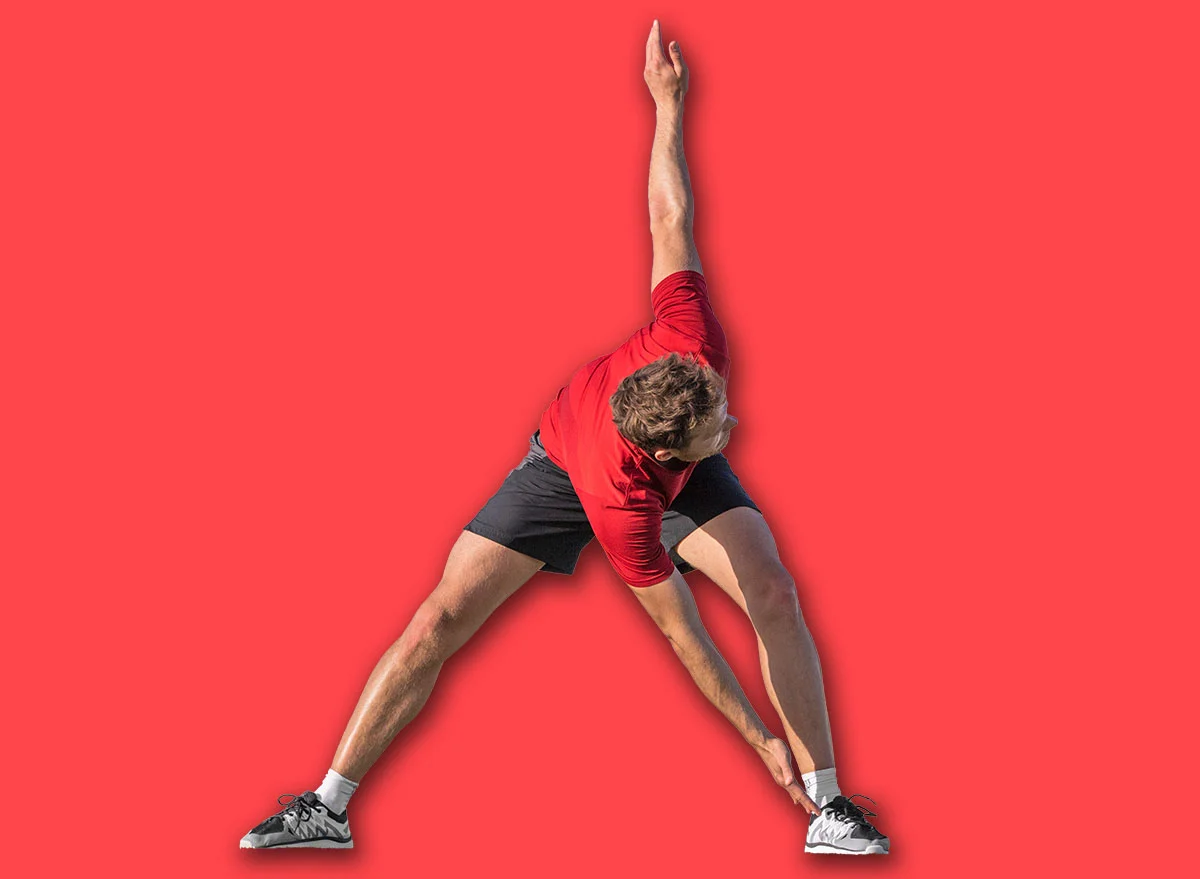
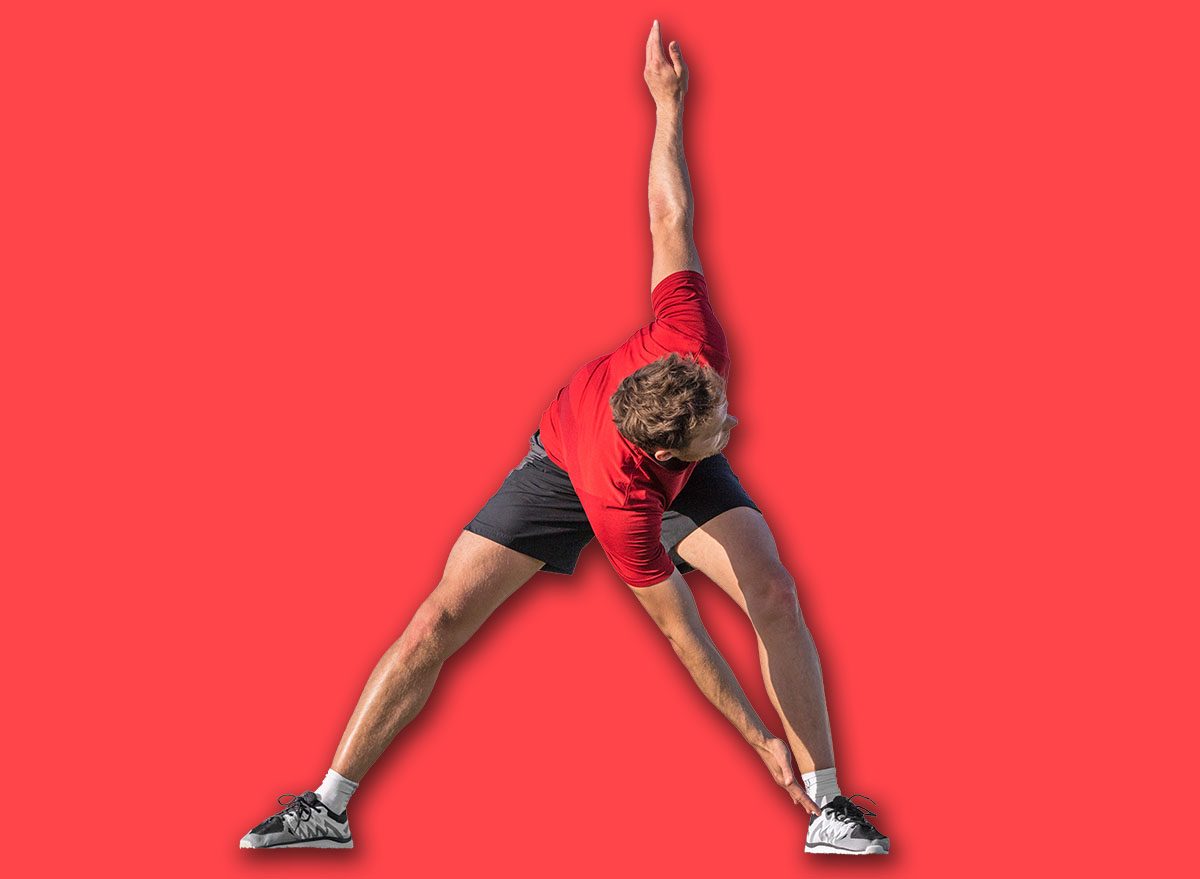
4. Full-Body Windmill Stretch (Rotational Mobility and Hamstring Lengthening)
The windmill stretch offers a comprehensive stretch that engages multiple muscle groups, including the hamstrings, inner thighs, and the entire lateral aspect of the torso. It also introduces a rotational element, which is vital for functional movement patterns. Stand with feet slightly wider than shoulder-width apart, arms extended to the sides. Gently rotate the torso and reach one hand towards the opposite foot, keeping the gaze directed towards the upward-extended hand. Return to the starting position and repeat on the other side. This movement helps to lengthen often-tight posterior chain muscles and enhances circulation throughout the limbs. Focus on a controlled, deliberate motion, feeling the stretch through the back of the legs and side of the body. Continue for one to three minutes, maintaining a steady rhythm.
5. Modified Jumping Jacks (Systemic Engagement and Heat Generation)
To further elevate the heart rate and engage the entire musculature, incorporate modified jumping jacks. If traditional jumping jacks are too high-impact, opt for a stepped version, moving one leg and arm out to the side at a time, then alternating. This full-body, rhythmic movement efficiently generates internal heat, increases blood flow to all major muscle groups, and enhances cardiovascular stamina. It also improves coordination and proprioception on a broader scale. Focus on controlled, continuous motion, ensuring breath synchronization with movement. Perform for one to three minutes, adjusting intensity to your comfort level.
Concluding Phase: Reinforcing Fluidity
After completing the more dynamic exercises, revisit the fascial shaking routine. This concluding phase helps to relax the activated muscles, encourages the continued circulation of the newly mobilized synovial and lymphatic fluids, and gradually brings the body back to a state of calm readiness. It reinforces the sense of fluidity and ease that the entire sequence aims to cultivate. The entire routine should typically take between eight and ten minutes, a small investment for substantial daily returns.
Ultimately, while a hot shower provides transient comfort, purposeful morning movement offers a profound physiological advantage. It doesn’t merely warm the skin; it ignites the body’s internal engines, improving circulation, lubricating joints, awakening the nervous system, and strengthening postural support. This holistic preparation not only alleviates morning stiffness but also primes the body for optimal function throughout the day, contributing significantly to long-term mobility, vitality, and overall well-being in the older adult population. Embracing this internal warming strategy is a proactive step towards a more active, comfortable, and resilient life.
About the Author