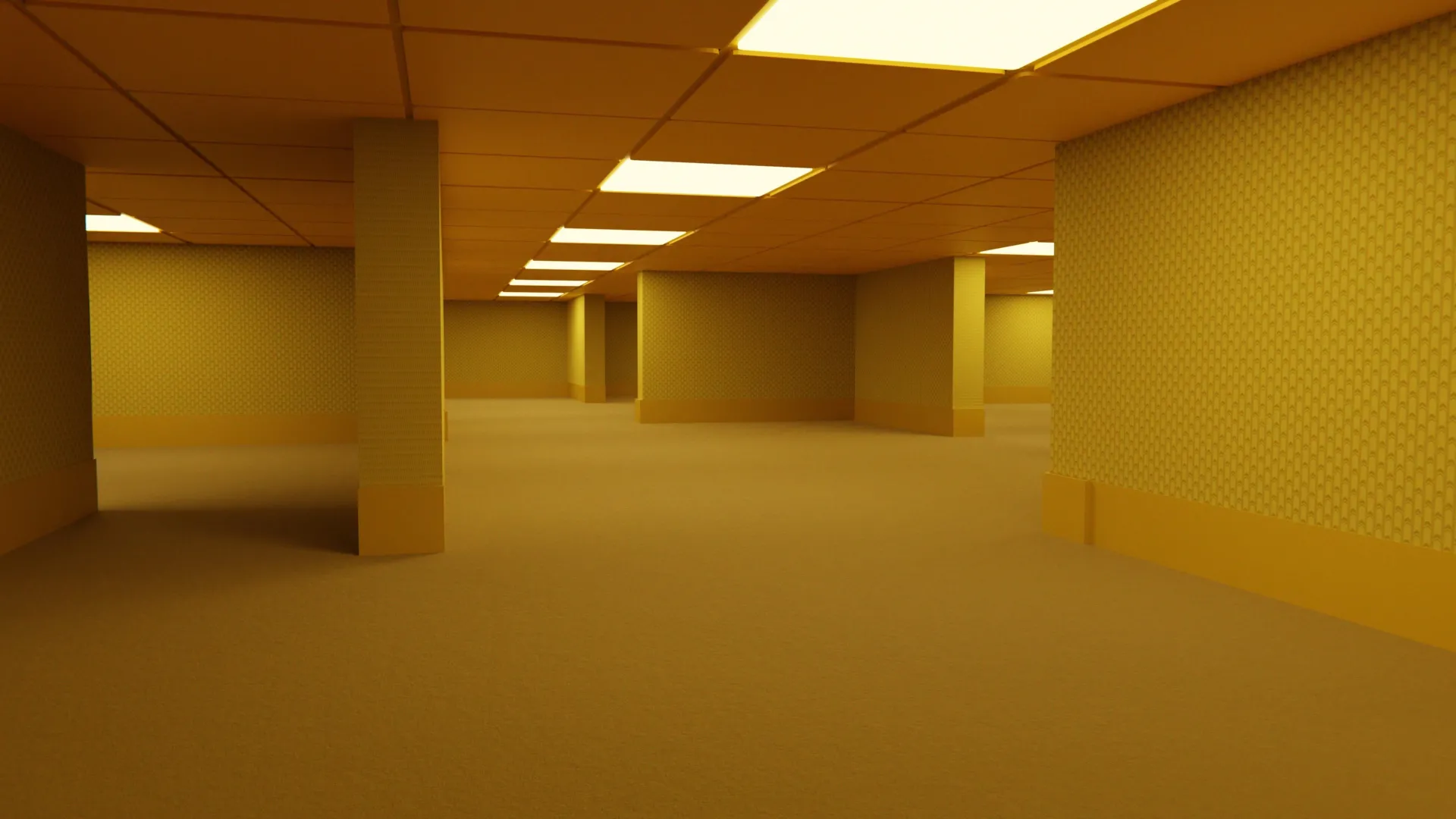
Imagine stepping into a space that defies cartography, a locale whispered about in online forums as existing just beyond the veil of our tangible world, a place known universally as the Backrooms. This fictional construct, born from the collective imagination of internet denizens, depicts an endless, disorienting maze of vacant, humming rooms bathed in the sterile glow of fluorescent lights. The core premise revolves around the unsettling notion of accidentally glitching out of ordinary existence and finding oneself irrevocably lost within this monotonous, labyrinthine expanse, devoid of any discernible egress.
The Backrooms phenomenon first materialized in 2019 on the digital bulletin board 4chan, and since then, its tendrils have spread with remarkable velocity across platforms such as Reddit, TikTok, and YouTube, alongside a growing presence in the gaming community. Users worldwide have enthusiastically contributed to its ever-expanding mythology, collaboratively mapping its purported dimensions and weaving intricate narratives around its eerie confines. The shared content frequently features haunting imagery of interminable corridors adorned with faded yellow wallpaper and desolate, office-like chambers that exist in a state of perpetual displacement from conventional reality.
A significant catalyst for the widespread fascination with the Backrooms can be attributed to the viral "found footage" style videos produced by filmmaker Kane Parsons on YouTube. Parsons transformed the initial, low-resolution static images into deeply immersive, cinematic explorations, effectively cementing the Backrooms as one of social media’s most iconic and unsettling horror landscapes. The phenomenon’s ascent into mainstream discourse has been further propelled by the announcement of a feature-length horror thriller adaptation of the Backrooms, currently in development.
While initially appearing to be another iteration of an accelerated urban legend, akin to well-known creepypastas such as Slenderman or the Russian Sleep Experiment, the Backrooms represent something more profound. Emerging research suggests a significant shift in consumer interest, particularly concerning spaces associated with horror and trauma, their mediated experiences, and novel modes of engagement.
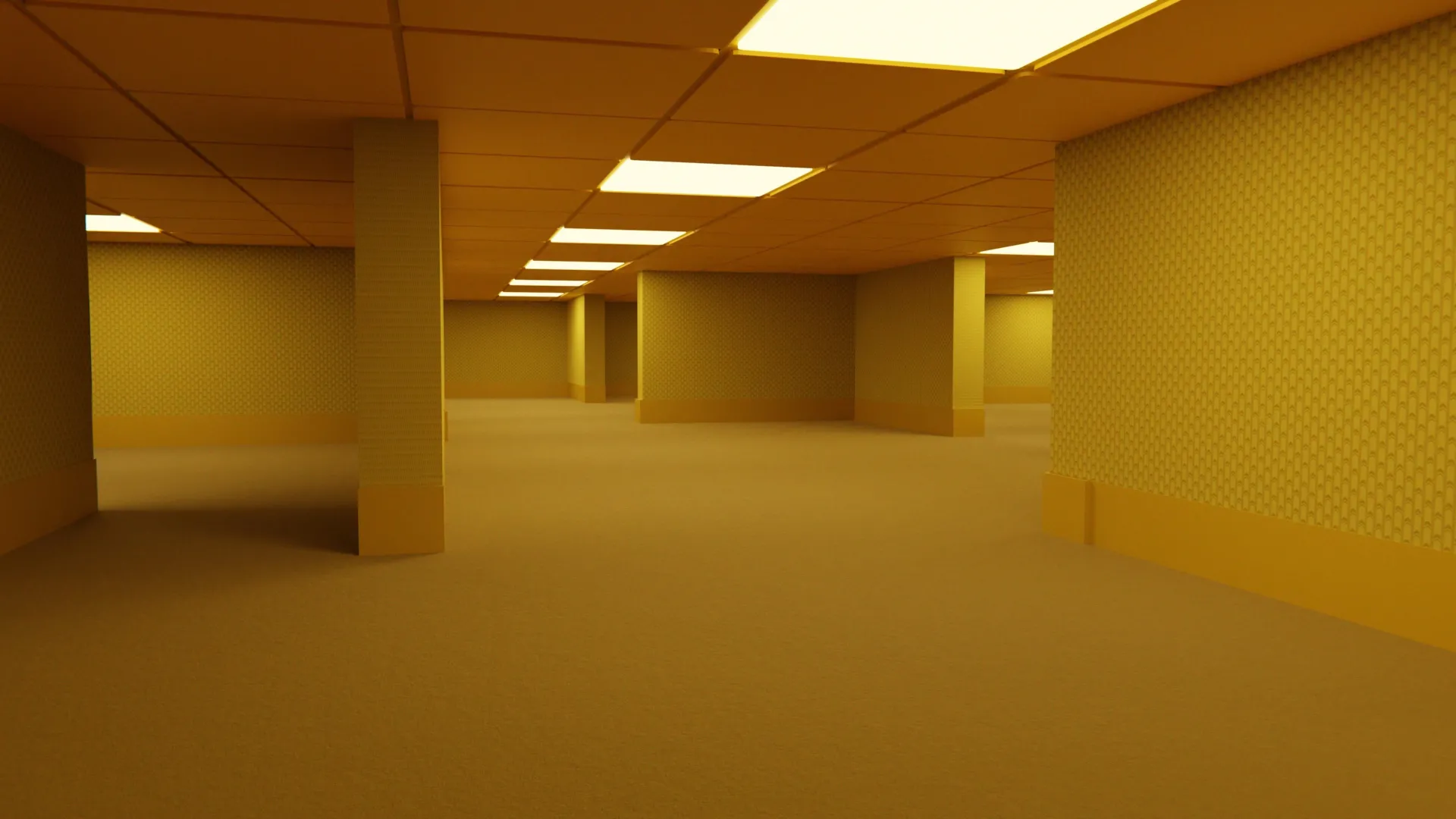
The genesis of the Backrooms can be traced to a single, anonymously posted image online: a claustrophobic vista of windowless rooms characterized by garish yellow wallpaper, threadbare carpeting, and the oppressive glare of overhead fluorescent lighting. This evocative combination of menace and a peculiar sense of faded familiarity piqued the curiosity of internet users, sparking a cascade of speculative narratives and theories about the Backrooms being a hidden dimension into which individuals might inadvertently stumble.
In an era where commercial tourism, pervasive social media, and constant vlogging have rendered much of the contemporary world seemingly overexposed and exhaustively documented – with every landmark photographed, every experience dissected in reviews, and every hidden gem transmuted into digital content – the mystery surrounding the Backrooms offers a distinct allure.
The r/backrooms subreddit currently boasts hundreds of thousands of active members, while content tagged with #backrooms on TikTok has amassed well over half a million individual posts, demonstrating the immense engagement this fictional space generates across various platforms. Instagram fan pages, such as @xbackroom, command hundreds of thousands of followers, diligently expanding the lore through curated images, video edits, and speculative storytelling. Users are actively involved in creating detailed maps, fabricating fictional diary entries, compiling survival guides, producing found-footage videos, and crafting immersive first-person explorations, all of which collectively contribute to the richness and depth of the Backrooms universe.
This participatory nature distinguishes the Backrooms from more traditional horror films or ghost stories. Instead of passively consuming a pre-defined narrative, audiences are actively invited to become co-creators and navigators within the environment itself. Folklore scholar Michael Kinsella has characterized this form of online engagement as "online legend-tripping," where participants transition from mere spectators to active contributors, collaborators, and architects of the fictional world.
The enduring appeal of the Backrooms can be partly understood through the lens of "dark tourism" research, which highlights a human fascination with locations associated with death, disaster, tragedy, and the uncanny. These can range from former correctional facilities and abandoned industrial sites to places imbued with unsettling historical events. Such destinations often offer an encounter with atmospheres that resonate with profound emotional, symbolic, or existential weight.
The Backrooms extend this fascination into a novel, participatory domain. Unlike virtual dark tourism, which facilitates "armchair travel" to real-world sites of historical somberness, the Backrooms are not anchored to any physical location or historical tragedy. Instead, they provide a collectively imagined, online environment steeped in unease, abandonment, and a pervasive sense of liminality – the feeling of being in-between or on the threshold.
The sustained interest in the Backrooms is precisely due to its inherent lack of a fixed mythology, geographical reality, or definitive narrative history. This very ambiguity empowers users to construct their own meanings within spaces that, paradoxically, feel uncannily familiar. With their dated aesthetics, reminiscent of hotel corridors, suspended ceiling tiles, and abandoned office environments, the Backrooms evoke the often-overlooked "non-places" of modern existence – utilitarian spaces that many people recognize but rarely consciously acknowledge.
In this regard, the Backrooms illustrate how digital culture is fundamentally reshaping experiences traditionally associated with tourism, transforming the mundane into the menacing. The Backrooms function less as a story to be received and more as a world to be inhabited. Through a proliferation of YouTube videos, video games, virtual reality experiences, and TikTok edits, audiences are immersed within the environment itself, blurring the lines between storytelling, role-playing, tourism, and active online participation.
This dissolution of boundaries may offer insight into why the phenomenon resonates so powerfully in our current cultural moment. The internet has evolved beyond a mere network of information and communication; it is progressively transforming into a landscape that individuals emotionally navigate and fully inhabit. The Backrooms offer a glimpse into a future where collaboratively imagined digital realms serve as meaningful cultural environments in their own right – spaces that people "visit," explore, emotionally invest in, and repeatedly return to, despite their complete absence from physical reality. The development of a feature-length film adaptation signals a further mainstreaming of this uniquely digital phenomenon, potentially introducing its unsettling allure to an even broader audience.
About the Author