A recent clinical investigation has illuminated the potential of a daily prebiotic fiber supplement to significantly mitigate pain and bolster physical capabilities among individuals diagnosed with knee osteoarthritis (OA). Beyond pain reduction, participants ingesting the supplement demonstrated notable improvements in grip strength and a diminished sensitivity to discomfort. Notably, adherence to the fiber regimen proved substantially higher, with significantly fewer participants discontinuing the trial compared to those engaged in a digital physiotherapy intervention.
This groundbreaking research, spearheaded by a team at the University of Nottingham, explored the effects of inulin, a naturally occurring dietary fiber abundant in sources such as chicory root and Jerusalem artichokes. The findings, meticulously detailed in the esteemed journal Nutrients, suggest that bolstering the health of the gut microbiome could unlock novel therapeutic avenues for managing osteoarthritis, a pervasive and debilitating condition that disproportionately affects aging populations worldwide.
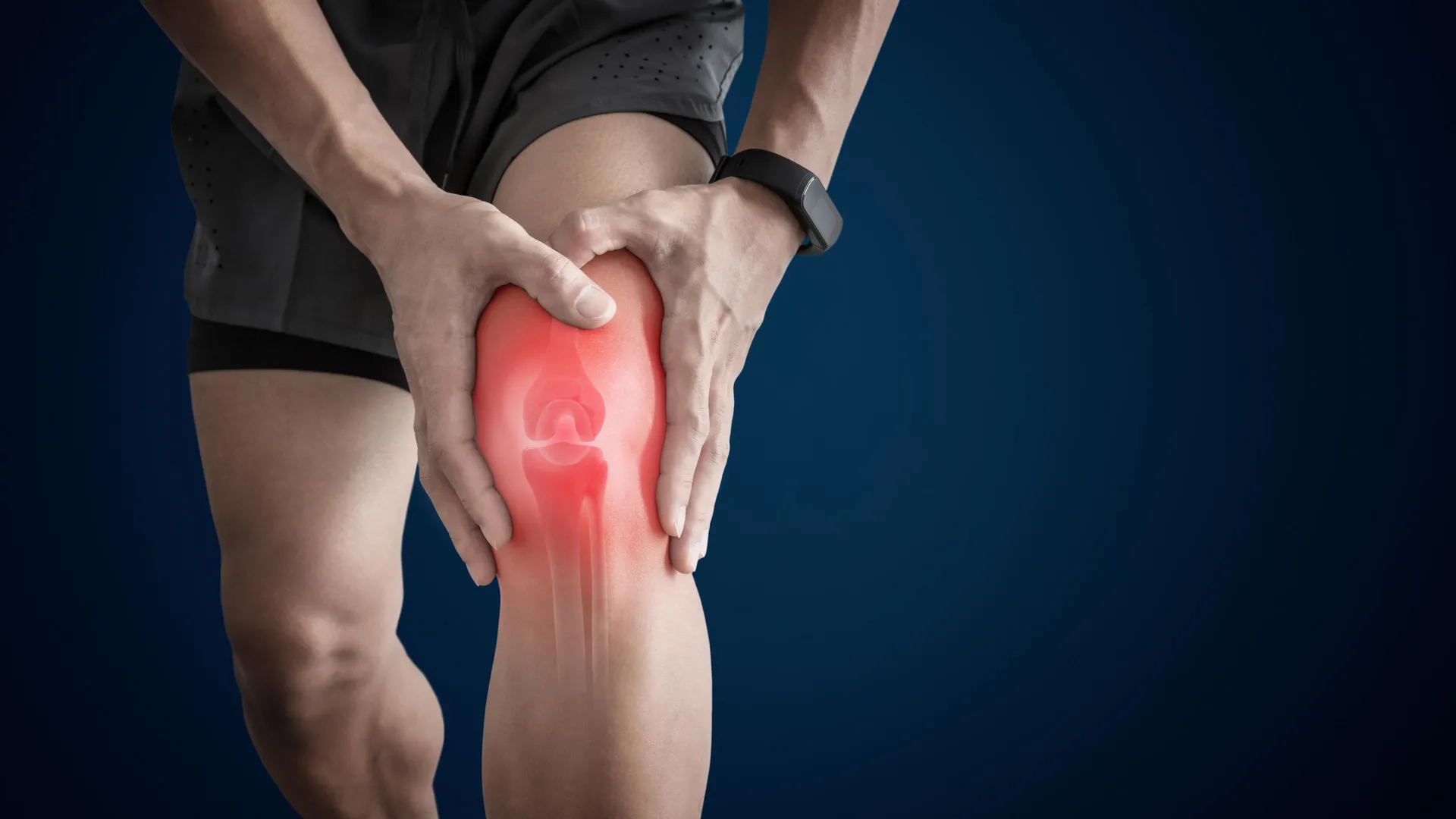
Osteoarthritis of the knee affects hundreds of millions globally, standing as a primary contributor to chronic pain and functional impairment, particularly in later life. Current management strategies frequently involve pharmacological interventions, which carry the risk of adverse side effects, or exercise regimens that can prove challenging for some patients to sustain over extended periods. "This study introduces the compelling prospect that a straightforward dietary modification—simply incorporating a fiber supplement into one’s morning routine, perhaps with breakfast or yogurt—could yield meaningful improvements in pain reduction and physical function," commented Dr. Afroditi Kouraki, the lead author of the study and a researcher at the School of Medicine at the University of Nottingham.
The intricate ecosystem residing within the human digestive tract, known as the gut microbiome, comprises trillions of microorganisms that exert influence over numerous physiological processes, including the body’s perception of pain. Inulin, classified as a prebiotic, serves as a vital nutrient source for the beneficial bacteria residing within this microbiome. When these commensal bacteria metabolize inulin, they synthesize short-chain fatty acids (SCFAs), among which butyrate stands out as a particularly important compound. Butyrate possesses the capacity to modulate inflammatory pathways and influence the biological mechanisms underlying pain signaling throughout the body.
The study observed that participants who consumed inulin exhibited elevated concentrations of both butyrate and glucagon-like peptide-1 (GLP-1). GLP-1 is a gut hormone recognized for its role in pain regulation and its association with muscle health. Furthermore, the augmentation of GLP-1 levels in the inulin group was correlated with enhanced grip strength, hinting at a potentially significant interplay between gut health and muscular function, a connection that researchers deem worthy of further in-depth exploration.
The six-week randomized controlled trial enrolled 117 adult participants diagnosed with knee OA, who were systematically allocated into four distinct experimental cohorts. These groups either received inulin exclusively, engaged in digital physiotherapy-supported exercise (PSE) alone, underwent a combination of both inulin and physiotherapy, or were administered a placebo. Both inulin and the physiotherapy intervention independently contributed to a reduction in knee pain. However, it was exclusively within the inulin cohort that improvements in grip strength and a decrease in pain sensitivity were observed. These specific measures offer insights into how the nervous system processes and responds to painful stimuli.
A particularly striking finding was the disparity in participant retention rates. The group receiving the inulin supplement experienced a significantly lower dropout rate, with only 3.6% of participants discontinuing their involvement. In stark contrast, the physiotherapy group saw a dropout rate of 21%. This substantial difference suggests that integrating a supplement into an established daily routine may represent a more accessible and sustainable approach for many patients compared to adhering to a structured exercise program. "Our findings indicate that targeting gut health through a prebiotic supplement offers a safe, well-tolerated, and effective strategy for alleviating pain in individuals suffering from knee osteoarthritis," Dr. Kouraki elaborated. "The remarkably low dropout rate when contrasted with the exercise group is also highly encouraging from a public health perspective, as it signifies that individuals could readily incorporate this supplement into their daily lives."
The observed correlation between GLP-1 levels and grip strength presents a particularly compelling avenue for further scientific inquiry, according to Professor Ana Valdes, a senior author on the study from the School of Medicine. "The link we observed between GLP-1 and grip strength is particularly intriguing and points to a broader gut-muscle-pain axis that warrants further investigation," Professor Valdes stated. "This could have implications not just for osteoarthritis, but for understanding how gut health influences ageing and physical resilience more broadly." This suggests a potential mechanistic pathway where gut health influences not only pain perception but also overall physical robustness, a concept that extends beyond the immediate scope of osteoarthritis management.
Representing Arthritis UK, Professor Lucy Donaldson, Director of Research, underscored the profound impact of arthritis-related pain on individuals’ quality of life. "The pain of arthritis can severely impact quality of life," Professor Donaldson remarked. "Our recent lived experience survey showed that six in ten people are living in pain most or all of the time due to their arthritis." She further highlighted the emerging understanding of the gut microbiome’s role in pain perception, noting, "Researchers are starting to explore the role of the gut microbiome in our experience of pain. This exciting preliminary research highlights how diet and physiotherapy can act in different ways to have benefits for people with arthritis." Professor Donaldson concluded by emphasizing the established importance of dietary diversity and regular physical activity, stating, "We know a variety and balance of healthy foods, including fiber, and regular physical activity matter, and we’re glad to be supporting research that explores how they work to help people with arthritis." This perspective emphasizes the complementary nature of various interventions and the ongoing commitment to supporting research that elucidates these beneficial mechanisms.
About the Author