A groundbreaking investigation conducted by researchers at King’s College London and the University of Reading has unveiled an unexpected and temporary physiological mechanism through which the simple act of masticating sugar-containing gum, following the consumption of nitrate-rich vegetables, can influence systemic cardiovascular parameters, specifically a reduction in blood pressure. This discovery offers novel insights into the intricate interplay between dietary components, the oral microbiome, and human physiology, suggesting that specific oral environmental conditions can significantly enhance the body’s utilization of beneficial dietary nitrates.
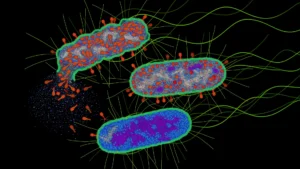
For decades, the scientific community has understood the profound impact of dietary nitrates on human health, particularly their role in cardiovascular function. These compounds, abundant in green leafy vegetables such as spinach, kale, and rocket, as well as root vegetables like beetroot, are inert until they undergo a crucial transformation within the body. The initial and rate-limiting step of this conversion process takes place not in the stomach or intestines, but in the oral cavity, driven by the resident microbial communities. Commensal bacteria residing on the tongue and other oral surfaces are equipped with specific enzymes, nitrate reductases, which facilitate the conversion of ingested nitrate (NO3-) into nitrite (NO2-). This nitrite is then absorbed into the bloodstream, where it can be further reduced to nitric oxide (NO), a powerful signaling molecule.
Nitric oxide is a critical regulator of numerous physiological processes, with its vasodilatory properties being particularly relevant to cardiovascular health. As a potent vasodilator, NO signals the smooth muscle cells lining blood vessel walls to relax, leading to the widening of arteries and arterioles. This vasodilation subsequently reduces peripheral vascular resistance, improves blood flow, and, consequently, lowers systemic blood pressure. The efficiency of this entire nitrate-nitrite-NO pathway, therefore, directly impacts an individual’s cardiovascular well-being, making the initial bacterial conversion in the mouth a pivotal control point. Scientists have long sought methods to optimize this conversion process, recognizing its potential therapeutic implications.
One aspect of this microbial conversion that has remained largely unexplored is the influence of oral environmental conditions, particularly the acidity of saliva. Conventional wisdom and some prior research have often suggested that increased acidity might inhibit the activity of the nitrate-reducing bacteria. Dr. Andrew Webb, a Clinical Senior Lecturer in the School of Cardiovascular & Metabolic Medicine & Sciences at King’s College London, highlighted this fundamental question, noting, "The precise impact of salivary acidity on the transformation of inactive nitrate into its more active nitrite form is a critical, yet largely uninvestigated, aspect of physiology that holds implications for various bodily functions, including blood pressure regulation." He further recalled incidental observations from previous work, where combining grapefruit juice with beetroot juice led to decreased salivary acidity and a corresponding reduction in nitrate-to-nitrite conversion. This observation prompted the current research team to formally investigate the inverse: whether intentionally increasing salivary acidity could, in fact, enhance this crucial conversion.
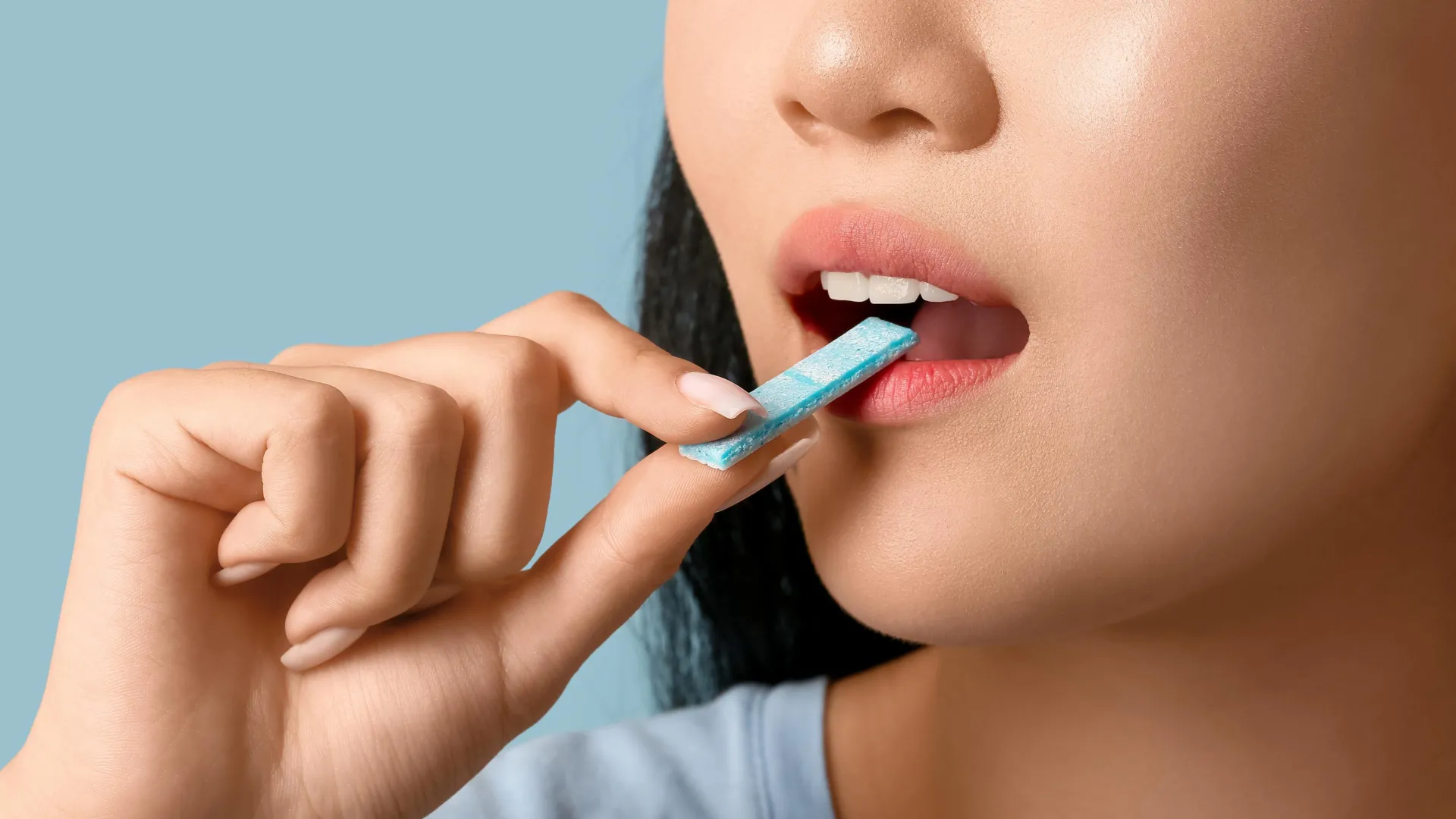
To rigorously test this hypothesis, the researchers devised a meticulously structured crossover study involving a cohort of healthy volunteers. Participants were administered a standardized dose of beetroot juice, known for its high nitrate content. Following this, they were tasked with chewing one of two types of gum: a sugar-containing bubble gum (specifically, Hubba Bubba®) or a sugar-free alternative (Wrigley’s Extra®). Each participant underwent both conditions, with a washout period of at least one week separating the trials to eliminate any residual effects. Throughout the three-to-six-hour experimental period, the research team meticulously collected serial blood and saliva samples. These samples were subsequently analyzed for pH levels in saliva and the concentrations of nitrite in both oral and systemic circulation. Additionally, participants’ blood pressure was continuously monitored, providing real-time data on cardiovascular responses. The crossover design was critical, allowing each individual to serve as their own control, thereby minimizing inter-individual variability and strengthening the statistical power of the findings.
The results of this carefully executed study were compelling and shed new light on the dynamics of nitrate metabolism. Compared to the sugar-free gum, the act of chewing the sugar-containing Hubba Bubba gum led to a significant and measurable alteration in the oral environment. Salivary acidity notably increased, evidenced by an average pH drop of 1.4 units. This shift in pH correlated directly with a dramatic enhancement in nitrite production. Oral nitrite levels surged by an impressive 45% in the mouth, while systemic nitrite concentrations, indicative of successful absorption and conversion, increased by 25% throughout the body. Critically, these biochemical changes translated into a discernible physiological effect on blood pressure. Participants in the sugary gum group experienced a transient but significant reduction in their cardiovascular readings: systolic blood pressure, representing the pressure during heart contraction, decreased by nearly 3 mmHg, and diastolic blood pressure, reflecting the pressure when the heart rests between beats, dropped by almost 2 mmHg when compared to the sugar-free gum condition.
Despite the intriguing nature of these findings, the research team, along with broader medical consensus, unequivocally stresses that these results should not be misconstrued as a blanket recommendation for individuals to incorporate sugary chewing gum into their routine as a strategy for managing or lowering blood pressure. The observed effects were transient, persisting for only several hours post-intervention. Furthermore, the long-term and regular consumption of sugar-laden products carries well-established and significant health risks. Chronic sugar intake is a primary contributor to dental caries, periodontitis, and contributes to metabolic dysregulation, including insulin resistance, obesity, and an elevated risk of type 2 diabetes and cardiovascular disease. Therefore, while scientifically illuminating, this specific intervention is not a viable or advisable long-term solution for hypertension management.
However, the implications of this discovery extend beyond direct clinical application for general blood pressure control. One particularly promising area is in sports physiology. Athletes, especially those engaged in endurance activities, frequently incorporate nitrate-rich foods, particularly beetroot juice, into their dietary regimens. This practice is supported by existing research demonstrating that increased systemic nitrite and nitric oxide levels can enhance exercise performance by improving oxygen delivery to working muscles, reducing the oxygen cost of exercise, and extending time to exhaustion. Dr. Charlotte Mills, a co-author from the University of Reading, elucidated this potential, stating, "Our findings offer a proof of concept that we might be able to refine the body’s processing of dietary nitrate, opening avenues for developing approaches that achieve similar benefits without the drawbacks of prolonged sugar consumption." She further elaborated, "Given that dietary nitrate is already a recognized ergogenic aid, there’s considerable potential to optimize its utilization by athletes. If we can amplify nitrate conversion, we could significantly enhance the physiological advantages athletes derive from nitrate-rich nutritional sources." The research also draws a fascinating parallel to traditional culinary practices, noting that the sequence of consuming a sweet dessert after a main course rich in nitrate-containing salad leaves or vegetables might, incidentally, offer a temporary boost to blood pressure-lowering and exercise enhancement. The researchers also posited that sugary chewing gum, due to its extended contact time in the mouth, might have a more pronounced effect compared to sugary beverages.
The critical challenge now lies in translating this mechanistic understanding into practical, health-conscious applications. The research team is resolute in its aim to identify alternative strategies that can replicate the beneficial oral acidity shift and enhanced nitrate conversion without relying on sugar. This includes exploring "tooth-friendly, metabolically sound approaches" that could achieve similar outcomes. Dr. Mills emphasized this future direction, stating, "We are certainly not advocating for regular sugary gum consumption. Our goal is to identify effective and appropriate long-term strategies that enhance nitrate metabolism." To this end, the researchers have outlined plans for a more extensive study specifically targeting athletes. This future research will delve deeper into how sugary chewing gum impacts nitrate metabolism, blood pressure responses during exertion, and crucially, objective measures of exercise performance. The ultimate goal is to unlock the full potential of dietary nitrate for performance enhancement and potentially targeted cardiovascular support in specific, controlled scenarios.
The publication of these findings in the prestigious British Journal of Clinical Pharmacology underscores the scientific rigor and significance of the work. It represents a significant step forward in understanding the complex interplay between diet, oral microbial ecology, and systemic physiological outcomes. While not a cure for hypertension, this study illuminates an intriguing pathway that could lead to innovative strategies for optimizing cardiovascular health and athletic performance through targeted manipulation of the oral environment, provided future research can decouple the benefits from the detrimental effects of sugar.
About the Author