Maintaining robust lower-body strength becomes an increasingly critical aspect of health and independence as individuals progress into their senior years. The physiological changes associated with aging, particularly a condition known as sarcopenia, can lead to a gradual but significant decline in muscle mass and power. This reduction directly impacts an individual’s capacity to perform daily activities, elevate their risk of falls, and diminish overall quality of life. Among the various methods available for assessing and developing leg strength, the wall sit emerges as a remarkably straightforward yet profound exercise and diagnostic tool, offering valuable insights into an older adult’s functional capabilities.
Sarcopenia, characterized by the progressive and generalized loss of skeletal muscle mass and strength with age, is a pervasive health concern affecting a substantial portion of the elderly population. Beginning as early as the third decade of life, muscle mass typically decreases by 3-8% per decade after the age of 30, with this rate accelerating significantly after 60. The primary drivers of sarcopenia include reduced physical activity, hormonal shifts (such as decreased testosterone and growth hormone), chronic inflammation, and insufficient protein intake. The consequences extend far beyond mere physical weakness; they encompass impaired balance, a higher propensity for falls and fractures, reduced metabolic rate, increased risk of chronic diseases, and ultimately, a loss of autonomy. The large muscle groups of the lower body, including the quadriceps, hamstrings, and gluteals, are particularly susceptible to this age-related atrophy, yet their integrity is paramount for maintaining fundamental movements like standing, walking, and climbing stairs. Targeted interventions, such as regular resistance exercise, are indispensable for mitigating sarcopenia’s effects and preserving muscular function.
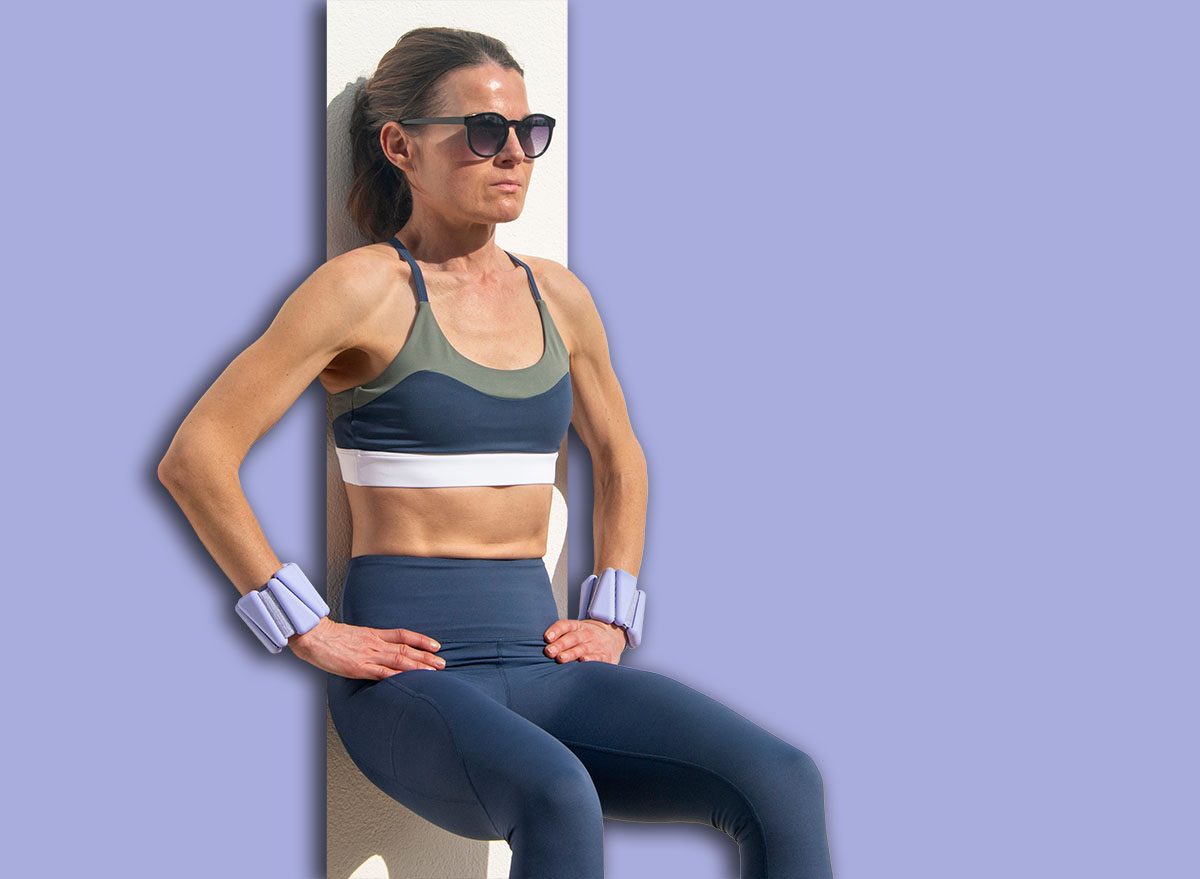
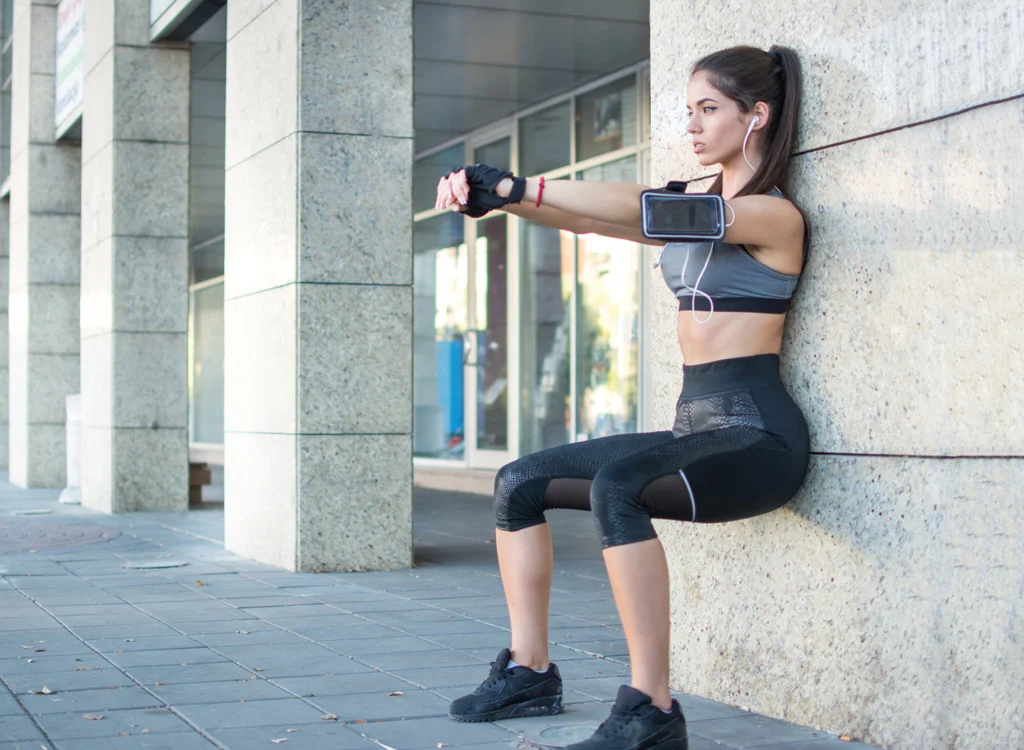
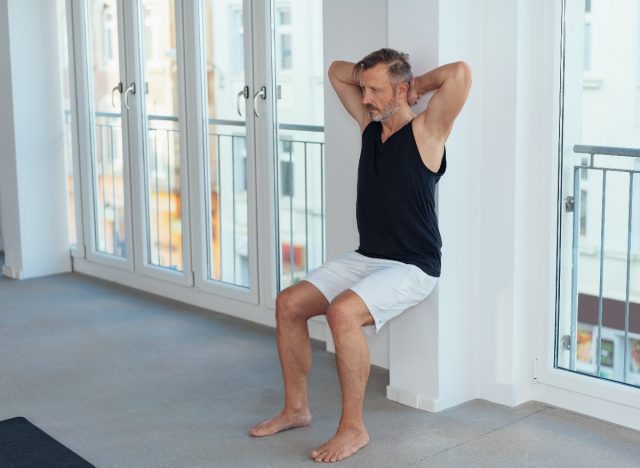
The wall sit, a deceptively simple isometric exercise, is an exceptional method for engaging these crucial lower-body muscle groups. Unlike dynamic movements that involve a range of motion, isometric exercises require muscles to generate force without changing length, holding a static position against resistance. In the context of a wall sit, the individual leans their back against a vertical surface and slides down until their hips and knees form roughly a 90-degree angle, mimicking a seated posture without a chair. This sustained contraction primarily targets the quadriceps (the muscles at the front of the thigh), which are responsible for knee extension and play a vital role in supporting the knee joint. Simultaneously, the gluteal muscles (buttocks) are activated to stabilize the hips and maintain pelvic alignment, while the hamstrings (back of the thigh) contribute to overall leg stability. Even the core muscles are subtly engaged to maintain an upright posture against the wall.
The profound benefits of the wall sit extend well beyond isolated muscle strengthening. By requiring the muscles to hold a position against gravity, it significantly enhances muscular endurance, allowing the legs to sustain effort for longer periods. This directly translates into improved performance in everyday functional tasks. For instance, the act of rising from a low chair, ascending or descending a flight of stairs, or maintaining balance while walking on uneven terrain all demand a specific blend of strength and endurance from the lower extremities. The angles adopted during a wall sit closely replicate those encountered in these daily movements, thereby training the muscles in a functionally relevant manner. Furthermore, regular practice of the wall sit cultivates enhanced joint stability around the knees and hips, improves proprioception (the body’s awareness of its position in space), and refines motor control, all of which are crucial for preventing falls and maintaining confident mobility in later life. Its low-impact nature also makes it suitable for individuals who may experience joint pain or other limitations with more dynamic exercises, and its adaptability—requiring no special equipment—makes it accessible to nearly everyone.
To maximize the benefits and minimize the risk of injury, performing a wall sit with correct technique is paramount. Begin by standing with your back flat against a sturdy wall, placing your feet about shoulder-width apart and a foot or two away from the wall. Slowly slide down the wall, bending your knees, until your thighs are approximately parallel to the floor, or as close as comfortably possible. It is crucial to ensure that your knees remain directly above your ankles, preventing them from extending beyond your toes, which can place undue stress on the knee joints. Your back should remain pressed firmly against the wall throughout the exercise, with your head and shoulders also in contact. Maintain a neutral spine, avoiding any arching or rounding of the lower back. Your arms can rest gently at your sides or be crossed over your chest. Once in the correct position, hold it for the desired duration, focusing on steady breathing. Common errors include allowing the hips to sink too low or rise too high, letting the knees drift inward or outward, or failing to keep the back fully supported by the wall. For those new to the exercise or with limited strength, starting at a higher position (where the thighs are not fully parallel to the floor) is a sensible modification, gradually working towards the ideal depth. More advanced individuals can increase the challenge by holding light weights, placing a resistance band around their knees, or even progressing to single-leg wall sits.

Beyond its utility as a training exercise, the wall sit serves as an excellent benchmark for assessing lower-body muscular endurance in individuals over 60. The test involves holding the proper wall sit position for as long as possible while maintaining impeccable form. A timer is started once the correct posture is achieved and stopped when the individual can no longer maintain the position, or when their form significantly degrades (e.g., sliding up, letting knees drift, back coming off the wall). The resulting hold time provides a clear, objective measure of static leg strength and endurance.
Interpreting the wall sit test results for individuals aged 60 and above can offer valuable insights into their current physical capacity:
- Hold Time Below 20 Seconds: This range suggests foundational development is still underway. While it’s a starting point, it indicates that the lower-body muscles may lack the sustained force production necessary for some more demanding daily tasks. Consistent, shorter holds (e.g., 3-5 sets of 10-15 seconds) several times a week can rapidly build endurance.
- Hold Time Between 20 and 40 Seconds: This performance level indicates adequate functional support for many common activities. Individuals in this category likely possess sufficient strength for routine movements like standing from most chairs and navigating short staircases without significant difficulty. Further improvements can enhance confidence and resilience for more challenging scenarios.
- Hold Time Between 40 and 60 Seconds: Achieving this duration reflects strong muscular endurance and control through the hips and knees. Individuals demonstrating this level of strength are well-equipped to manage extended periods of standing, climb multiple flights of stairs, and move with greater stability across varied terrains. This range signifies a robust base for maintaining an active lifestyle.
- Hold Time Exceeding 60 Seconds: This is an exceptional outcome for individuals over 60, signifying outstanding lower-body power and endurance. Such performance suggests a high degree of muscular resilience, joint stability, and motor control, providing a strong foundation for not only daily living but also for more dynamic and athletic pursuits. This level of strength contributes significantly to a lower risk of falls and sustained independence.
Improving wall sit endurance and overall leg strength requires a consistent, progressive approach. Regular practice is key; incorporating wall sits into a routine 2-3 times per week can yield significant results. Gradually increasing the duration of each hold or the number of sets over time is a fundamental principle of progressive overload. For instance, if an individual can hold for 30 seconds, they might aim for 3 sets of 35 seconds the following week. Once a comfortable maximum hold time is reached, introducing variations like a weighted wall sit (holding a dumbbell or plate against the chest) or lowering the hip position slightly can further challenge the muscles.
However, a holistic approach to lower-body strength development extends beyond just wall sits. Integrating a variety of dynamic exercises that work the leg muscles through a full range of motion is crucial. These include:
- Squats: Bodyweight squats, goblet squats (holding a weight at the chest), or chair squats help build strength for standing and sitting.
- Lunges: Forward, reverse, or lateral lunges improve balance, coordination, and unilateral leg strength, which is vital for walking and stair climbing.
- Step-Ups: Using a sturdy box or stair, step-ups effectively target the quadriceps and glutes, mimicking stair climbing.
- Glute Bridges: Lying on your back with knees bent and feet flat, lifting the hips off the floor, activates the glutes and hamstrings, improving hip extension.
- Calf Raises: Standing and rising onto the balls of your feet strengthens the calf muscles, important for gait and push-off.
In addition to targeted exercises, nutritional support, particularly adequate protein intake, is vital for muscle repair and growth. Furthermore, prioritizing rest and recovery allows muscle fibers to rebuild and adapt. It is always advisable for individuals, especially those over 60 or with pre-existing health conditions, to consult with a healthcare professional or a certified personal trainer before embarking on a new exercise regimen. This ensures the program is appropriate for their individual health status and fitness level, minimizing risks and maximizing benefits.
In conclusion, the wall sit offers a powerful, accessible metric for gauging and enhancing lower-body strength and endurance in individuals beyond the age of sixty. Its capacity to directly translate into improved functional movements—from effortlessly standing up to confidently navigating diverse environments—underscores its importance in promoting a vibrant, independent lifestyle. By consistently engaging in this and complementary exercises, older adults can actively combat the effects of sarcopenia, bolster their physical resilience, and significantly contribute to their long-term well-being and longevity.
About the Author