
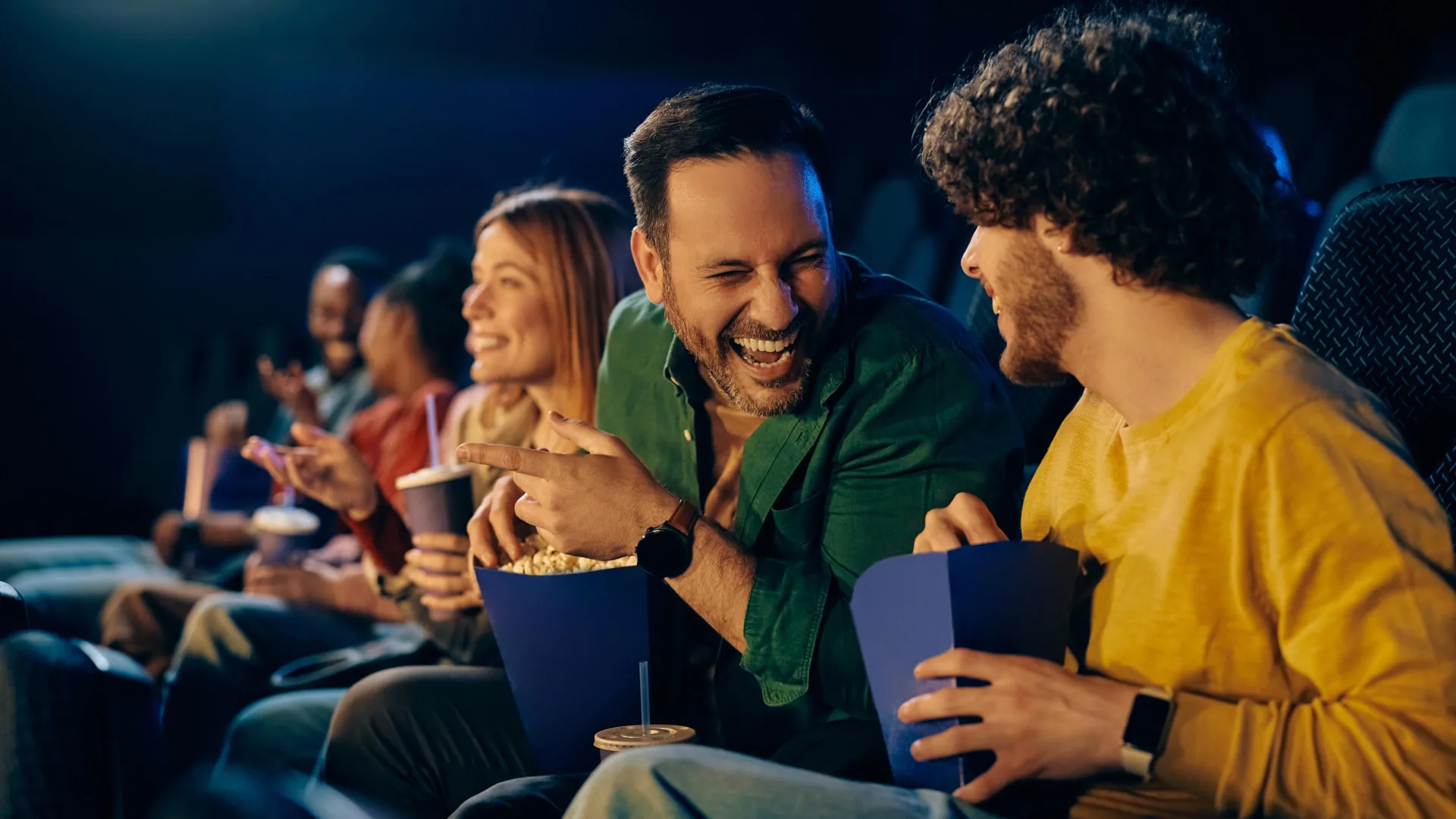
A significant body of emerging scientific inquiry suggests that consistent engagement with the arts and cultural institutions may be more than a leisure pursuit; it appears to be linked to a deceleration of the body’s internal clock, fostering a state where physiological functions operate with the vitality characteristic of a younger organism. This groundbreaking research, recently disseminated in the esteemed Journal of Epidemiology and Community Health, reinforces the growing understanding that an active social and cultural life plays a pivotal role in the journey of healthy aging.
The process of aging, while universal, is not a monolithic experience, with the rate at which an individual’s body deteriorates varying considerably. Physiological age, a metric that quantifies the functional capacity of the body’s systems, can diverge significantly from chronological age, which simply denotes the passage of years since birth. While prior investigations have established a connection between participation in cultural activities – such as visiting art galleries, attending theatrical performances, or viewing films – and enhanced well-being and health outcomes among older adults, the specific impact on the very mechanisms of biological aging has remained a less explored frontier.
Addressing this knowledge gap, a team of investigators from the Institute of Science Tokyo, Japan, has undertaken what is believed to be the inaugural longitudinal study designed to scrutinize this relationship. Their methodology meticulously accounts for confounding variables that remain constant over time, thereby offering a more precise assessment of the causal pathways. The study drew upon a rich dataset comprising 1,899 adult participants enrolled in the English Longitudinal Study of Ageing (ELSA). ELSA, a meticulously designed, population-based survey, captures a nationally representative cohort of individuals aged 50 and above residing in England, providing a robust foundation for the research.
Participants contributed their data across a minimum of two distinct survey intervals, specifically those conducted between 2004/2005, 2006/2007, and 2008/2009, ensuring a longitudinal perspective on their habits and health markers. The assessment of physiological age was a multifaceted endeavor, involving the precise measurement of ten key indicators of physical robustness by trained nurses. These indicators encompassed a spectrum of biomarkers and functional tests, including pulse pressure, diastolic blood pressure, forced expiratory volume (a measure of lung capacity), hemoglobin concentration, fibrinogen levels (related to blood clotting), glycated hemoglobin (an indicator of long-term blood sugar control), low-density lipoprotein (LDL) cholesterol levels, body mass index (BMI), grip strength, and walking speed. The amalgamation of these diverse measurements yielded a singular, comprehensive physiological age score for each participant.
Concurrently, participants were asked to detail the frequency of their attendance at specific cultural venues. This included visits to the cinema, museums or art galleries, and live performances such as theater, concerts, or opera. Each activity was assigned a numerical value, ranging from zero for individuals who reported never participating to five for those attending twice a month or more. This scoring system generated a total cultural engagement score, spanning a spectrum from 0 to 15, thereby quantifying the breadth and depth of each individual’s cultural involvement.
The analysis of this comprehensive data revealed a striking correlation: individuals exhibiting higher levels of cultural engagement, defined in this study as participating in cultural activities at least once every few months, displayed an average physiological age of 66.9 years. In stark contrast, those who reported lower levels of participation presented with an average physiological age of 69.9 years, indicating a discernible difference of approximately three years in their biological maturity. Furthermore, the study noted that participants who were more culturally engaged were statistically more likely to be female, possess higher socioeconomic status, be gainfully employed, and already report a superior overall state of health.
Crucially, after rigorously adjusting for a suite of influential factors – including household income, employment status, and the presence of chronic health conditions – the researchers identified a significant quantitative relationship. For every single-point increase in an individual’s cultural engagement score, there was an associated reduction in their physiological age of 0.085 years, equating to a substantial 31-day decrease. This finding underscores the potentially potent impact of cultural participation on the aging process.
The investigators have posited several plausible mechanisms that might underpin this observed association. Cultural activities, by their very nature, can serve as powerful catalysts for strengthening social bonds, fostering vital interpersonal connections that are crucial for well-being. They can also act as motivators for adopting healthier lifestyle habits and provide significant support for mental health, both of which are widely recognized as contributors to a more gradual physiological aging trajectory.
However, the researchers are careful to acknowledge the inherent limitations of observational research. Because this study design does not permit the direct manipulation of variables, it cannot definitively establish a cause-and-effect relationship. In other words, it is not possible to conclusively state that cultural activities directly decelerate the aging process. The possibility of reverse causation also exists, whereby individuals who are already in better health may simply possess greater physical capacity and inclination to attend cultural events.
Despite these caveats, the authors of the study strongly advocate for the potential of cultural engagement as a modifiable behavior that could be integrated into public health strategies aimed at promoting healthy aging. They compellingly note that the observed impact of cultural engagement on physiological age is comparable to that of frequent physical activity, a well-established cornerstone of healthy living.
Looking ahead, the research team suggests that efforts to enhance the accessibility of cultural events – both geographically and financially – could significantly broaden participation. Such initiatives might unlock the potential health benefits for a larger segment of the population. Further extensive research will be indispensable to ascertain whether actively encouraging greater cultural engagement translates into sustained improvements in health outcomes and ultimately leads to healthier aging over the long term. This evolving body of work continues to illuminate the intricate interplay between lifestyle, social engagement, and the fundamental biological processes of aging.
About the Author












