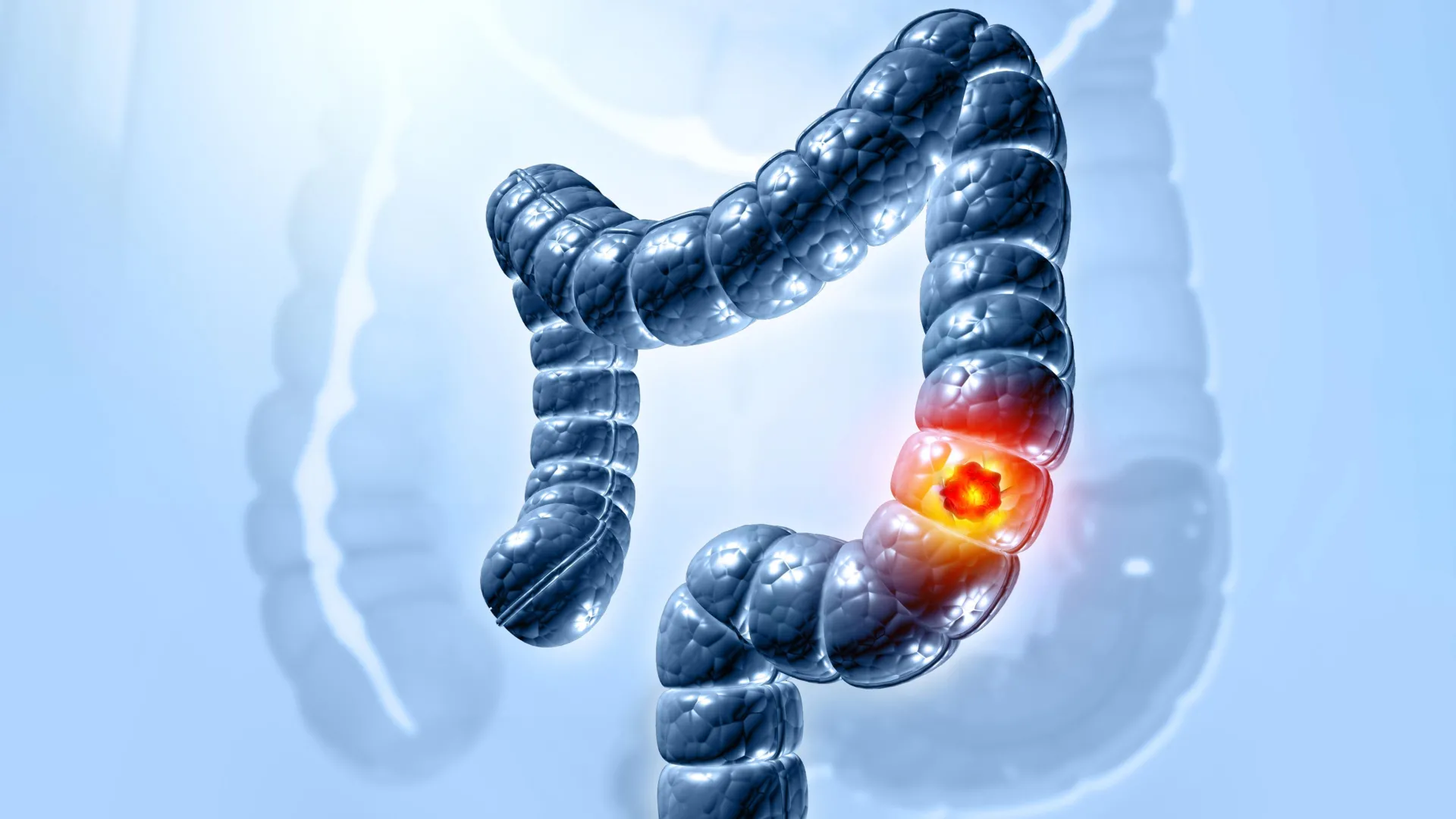
For over fifteen years, the scientific community has grappled with a perplexing question: how does a specific toxin, secreted by a frequently encountered inhabitant of the human gut, manage to breach the defenses of colon cells and initiate a cascade of events that can ultimately lead to colorectal cancer? This enduring enigma has now been definitively resolved by a collaborative effort involving leading research institutions, shedding light on a crucial mechanistic step in the pathogenesis of this common malignancy. The breakthrough not only elucidates the precise pathway through which the bacterial agent inflicts cellular damage but also concurrently unveils a promising avenue for therapeutic intervention, offering the potential to neutralize the toxin’s harmful influence before it contributes to malignant progression.
This significant advancement stems from the dedicated work of a multidisciplinary consortium, spearheaded by investigators from the Johns Hopkins Kimmel Cancer Center Bloomberg~Kimmel Institute for Cancer Immunotherapy and the Johns Hopkins University School of Medicine. Their findings, meticulously documented and published in the esteemed scientific journal Nature, reveal that the potent protein known as BFT (Bacteroides fragilis Toxin), produced by the bacterium Bacteroides fragilis, requires a specific molecular intermediary to gain entry into the delicate lining of the colon. Crucially, this toxin must first establish a connection with a host cell surface protein, identified as claudin-4, before it can exert its damaging effects on the intestinal epithelium. This research was generously supported, in part, by grants from the National Institutes of Health, underscoring the critical importance of federal funding in advancing fundamental scientific understanding.
"The quest to pinpoint this elusive receptor has been a long and challenging one, marked by numerous unsuccessful attempts," remarked Dr. Cynthia Sears, the senior author of the study and a distinguished figure in cancer immunotherapy, holding professorial appointments at Johns Hopkins. "Identifying the molecular handshake between the toxin and the host cell represents a pivotal moment in our understanding. By unraveling the intricate mechanisms by which bacterial toxins operate, we unlock unprecedented opportunities for developing novel diagnostic tools and therapeutic strategies to combat a spectrum of associated ailments, ranging from acute diarrheal diseases and chronic inflammatory conditions to potentially life-threatening bloodstream infections and the insidious development of colorectal cancer."
The implications of this discovery are far-reaching, having already spurred the development of a compelling countermeasure designed to neutralize the toxin’s destructive potential. In preclinical studies utilizing animal models, researchers successfully engineered a molecular decoy capable of intercepting BFT, effectively diverting it from its intended cellular targets and thereby preventing the inflammatory damage to the colon. This innovative approach offers a tangible glimpse into a future where targeted therapies can mitigate the harmful effects of specific bacterial virulence factors.
The bacterium Bacteroides fragilis is a ubiquitous component of the human gut microbiome, present in the digestive tracts of a substantial proportion of the population, estimated to be as high as 20% in healthy individuals. However, certain genotypic variations within this common microbe can elicit significant inflammatory responses within the colon and, more disturbingly, have been implicated in the promotion of tumorous growth. Prior investigations emanating from Dr. Sears’ laboratory had already established a critical link between BFT and chronic colon inflammation, demonstrating that the toxin functions by cleaving E-cadherin, a vital protein responsible for maintaining the integrity and protective barrier function of the colon’s epithelial lining. This foundational research, previously published in Nature Medicine, further provided compelling evidence that the activity of BFT directly contributes to the initiation and progression of colon tumors.
Despite these significant prior findings, a critical gap in knowledge persisted: the precise mechanism by which BFT gained access to its cellular targets remained a mystery. The toxin did not appear to directly interact with E-cadherin, the protein it ultimately disrupts, suggesting the existence of an intermediary molecule that facilitated its entry into the cellular machinery. This unanswered question served as the impetus for the subsequent, groundbreaking research.
To definitively identify this missing link, a comprehensive, genome-wide CRISPR screening initiative was undertaken. This powerful genetic tool allows scientists to systematically inactivate genes within cells to observe the resulting functional changes. Spearheading this effort was Maxwell White, an M.D./Ph.D. candidate working within the Sears laboratory, in close collaboration with the distinguished laboratory of Professor Matthew Waldor at Harvard Medical School. The research team meticulously engineered colon epithelial cells, systematically disabling individual genes to ascertain which ones were indispensable for the toxin’s activity. Through this rigorous process, one protein emerged with striking clarity: claudin-4. When the gene encoding claudin-4 was experimentally abrogated, the BFT toxin was rendered incapable of binding to the cells, and consequently, E-cadherin remained unharmed, demonstrating the crucial role of claudin-4 as the toxin’s initial point of contact.
"It required considerable effort to optimize the experimental assays and validate our screening methodology, but once the screen was successfully executed, claudin-4 presented itself as an unmistakable and dominant finding," stated White, conveying the palpable excitement of the discovery. "That moment of realization was truly exhilarating." The identification of claudin-4 as the receptor was somewhat unexpected by many researchers in the field. Dr. Sears noted that a prevailing hypothesis among scientists had anticipated the receptor to be a signaling protein, such as a G-protein coupled receptor, which are commonly involved in cellular communication. However, claudin-4 belongs to a fundamentally different class of proteins, known as tight junction proteins, which primarily serve to seal the gaps between cells and maintain tissue integrity. Furthermore, an extensive review of existing scientific literature failed to reveal any other known toxins that operate through a similar mechanism of binding to a separate receptor prior to interacting with their primary substrate. The vast majority of protease toxins, for instance, directly bind to the molecules they target.
To unequivocally confirm the interaction between BFT and claudin-4, the Johns Hopkins researchers enlisted the expertise of structural biologists F. Xavier Gomis-Rüth and Ulrich Eckhard at the Molecular Biology Institute of Barcelona. Employing sophisticated biophysical techniques, White and the Barcelona-based team meticulously demonstrated in controlled laboratory experiments that BFT and claudin-4 form a remarkably stable, one-to-one complex. This direct physical evidence provided the first definitive proof that the toxin engages with its receptor before initiating any damage to the colon cells. The researchers then proceeded to validate these in vitro findings within a living biological system through a collaborative effort with the laboratory of Professor Min Dong at Harvard Medical School. Working alongside Kang Wang and his colleagues, they investigated the toxin’s behavior in meticulously developed mouse models.
The strategic development of a soluble variant of claudin-4 proved to be a pivotal step in creating a viable therapeutic strategy. This engineered protein was designed to function as a molecular decoy, presenting key structural components of the claudin-4 receptor that are normally recognized by the BFT toxin. Consequently, instead of binding to the claudin-4 molecules on the surface of colon cells, the BFT toxin was effectively intercepted by these decoy proteins. This ingenious approach proved highly successful in protecting the mice from BFT-induced colonic damage, offering a potent proof-of-concept for the decoy strategy.
"This therapeutic strategy holds immense potential for further development and refinement," observed White, envisioning future applications. "It can be adapted and enhanced using small molecule inhibitors or other biologic agents that possess improved pharmacological properties for enhanced delivery and efficacy in humans." The research team is now actively exploring the most effective types of therapeutic interventions that can be employed to comprehensively block the toxin’s harmful activity.
Despite these monumental achievements, a significant scientific challenge remains unresolved. While the researchers have definitively identified the receptor and established its strong binding affinity for BFT, the precise three-dimensional structural configuration of the toxin-receptor complex has not yet been fully elucidated through experimental methods. This detailed atomic-level understanding of how BFT and claudin-4 fit together remains an important goal for future investigations. Notably, even advanced artificial intelligence modeling tools, including the sophisticated AlphaFold platform, have encountered limitations in fully resolving the intricate details of this specific molecular interaction.
The comprehensive research effort involved numerous additional contributors, including Jason Chen, Shaoguang Wu, Abby L. Geis, and Jessica Queen from Johns Hopkins, and Hailong Zhang, Karthik Hullahalli, and Jie Zhang from Harvard Medical School. Funding for this groundbreaking research was provided by the Bloomberg~Kimmel Institute for Cancer Immunotherapy, Janssen Research and Development, Cancer Research UK, the National Institutes of Health (under grant numbers R01 AI042347, R01 NS080833, R01 NS117626, R01 AI170835, and R01 AI189789), and the Howard Hughes Medical Institute. Dr. Sears has disclosed a financial arrangement involving royalties from writing and reviewing for UpToDate, which is managed by The Johns Hopkins University in accordance with its established conflict-of-interest policies.
About the Author