Neural Connectivity and Brain Activity Show Lasting Alterations Following Psilocybin Administration.
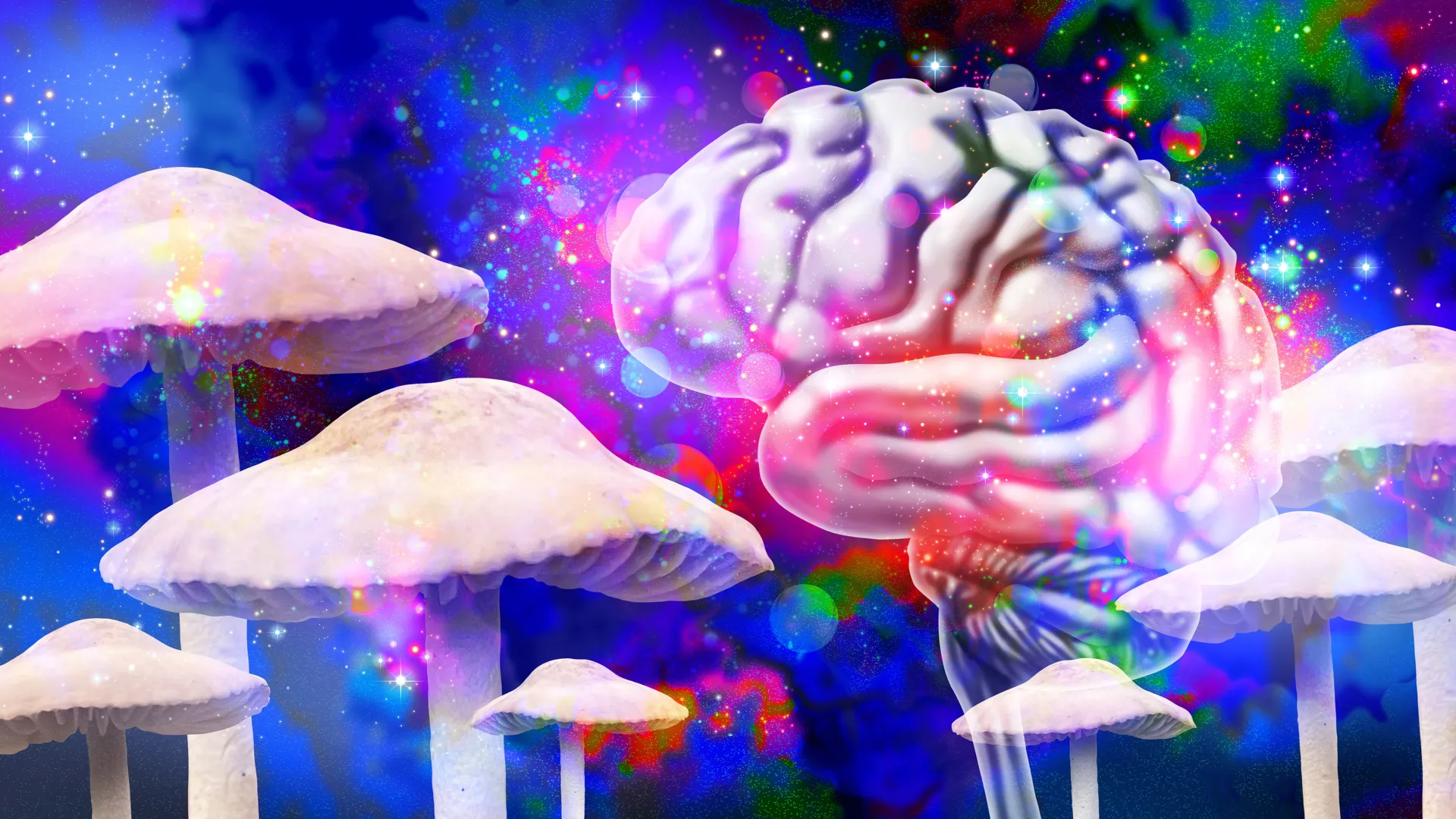
A single administration of psilocybin, the naturally occurring psychoactive compound found in certain fungi, has been observed to induce physical modifications within the brain that persist for up to a month, according to a collaborative investigation by researchers at the University of California, San Francisco (UCSF) and Imperial College London. The findings, detailed in the prestigious scientific journal Nature Communications, emerge from a study involving a cohort of healthy adults who had no prior exposure to psychedelic substances. While these participants did not have pre-existing diagnosed mental health disorders, the study’s outcomes offer compelling insights into the mechanisms by which psilocybin might exert therapeutic effects for conditions such as depression, anxiety, and substance dependence.
The research team specifically investigated transient elevations in what is termed brain "entropy." This concept quantifies the diversity and unpredictability of neural signaling patterns. Their experimental results strongly suggest that this enhanced variability in brain activity could facilitate profound psychological understanding and introspection. Furthermore, the study posits that the subjective psychedelic experience itself plays a crucial role in mediating the sustained benefits associated with psilocybin.
A significant correlation was identified between a more pronounced increase in brain entropy during the hours immediately following a substantial psilocybin dose and a greater degree of emotional and psychological insight reported by participants the subsequent day. Crucially, individuals who articulated a deeper sense of insight were also more likely to report sustained improvements in their overall sense of well-being a month after the experimental session. Dr. Robin Carhart-Harris, the senior author of the study and distinguished professor of Neurology at UCSF, explained the etymology of "psychedelic" as "psyche-revealing," suggesting it makes the inner self more apparent. He stated, "Our data demonstrates that these experiences of psychological insight are linked to an entropic quality of brain activity, and that both contribute to subsequent enhancements in mental health. This implies that the profound experience, along with its corresponding brain activity patterns, is a fundamental component of how psychedelic therapy operates."
To meticulously assess the multifaceted effects of psilocybin on the brain, the researchers employed a battery of sophisticated neuroimaging and electrophysiological techniques. These included electroencephalography (EEG) to capture rapid electrical brain activity, functional magnetic resonance imaging (fMRI) to observe blood flow and neural metabolism, and diffusion tensor imaging (DTI) to map the structural integrity and connectivity of white matter tracts. Brain activity, inter-regional communication patterns, and structural characteristics were systematically measured at three key intervals: prior to psilocybin administration, at the peak of the subjective experience, and again one month later, allowing for a comprehensive longitudinal analysis.
The experimental design was intentionally structured to include participants without diagnosed mental health conditions. This approach enabled the research team to conduct a broader spectrum of assessments without the potential confounding factors often present in clinical populations. The study commenced with an initial phase where participants were administered a low dose of psilocybin, equivalent to 1 mg, which served as a control or placebo condition. During this phase, their brain activity was monitored using EEG. In the subsequent weeks, participants underwent various psychological evaluations to gauge their levels of insight, general well-being, and cognitive functioning.
Following this initial assessment period, the same 28 volunteers received a significantly higher dose of psilocybin, precisely 25 mg, a quantity known to induce a potent and transformative psychedelic experience. Brain activity was once again recorded via EEG during the peak of this profound experience. The researchers then reiterated the comprehensive psychological and neuroimaging assessments in the weeks that followed. This carefully constructed experimental paradigm permitted a direct comparison between the effects elicited by a full psychedelic dose and those observed after the lower, placebo-equivalent dose, thereby isolating the unique contributions of the psilocybin experience itself.
Within an hour of ingesting the 25 mg psilocybin dose, EEG recordings revealed a marked increase in brain entropy. This observation strongly suggests that, under the influence of psilocybin, the brain engaged in the generation and processing of a considerably wider array of information and potential neural pathways than usual. When participants were re-evaluated one month later using DTI, the imaging data indicated an increase in the density and integrity of neural tracts. DTI operates by tracking the diffusion of water molecules along neuronal pathways, and the observed pattern indicated more robust and organized axonal connections. This structural finding was notable as it represented the opposite of changes typically associated with aging, where neural tracts tend to become less defined and more diffuse. While the researchers acknowledged that further investigation is necessary to fully elucidate the precise implications of these structural alterations, they underscored the significance of this finding as unprecedented evidence suggesting that psychedelics may indeed induce lasting structural modifications within the brain.
The subjective reports from the participants painted a vivid picture of the profound nature of the psilocybin experience. Within 24 hours of receiving the 25 mg dose, a remarkable 27 out of the 28 participants described the experience as the most unusual state of consciousness they had ever encountered, with the remaining individual ranking it among their top five most extraordinary life experiences. Furthermore, participants reported a substantially greater degree of psychological insight following the 25 mg dose compared to the low-dose placebo. Objective measures of well-being also showed significant improvement at both the two-week and four-week follow-up points. These assessments included responses to statements designed to capture feelings of optimism, resilience in dealing with challenges, and overall life satisfaction. In addition to these subjective and emotional benefits, participants demonstrated enhanced performance on tests of cognitive flexibility one month after the high-dose psilocybin session, indicating an improved ability to adapt their thinking and respond effectively to changing circumstances. Dr. Taylor Lyons, a research associate at Imperial College London and the lead author of the paper, commented on these findings, stating that psilocybin appears to "loosen up stereotyped patterns of brain activity and provide individuals with the capacity to revise entrenched thought patterns." She added that the correlation between these neural and cognitive changes and subsequent improvements in insight and well-being is particularly encouraging.
The researchers proposed a compelling model for how the psychedelic experience might directly drive these observed therapeutic benefits. They found that individuals who exhibited the most substantial increases in brain entropy during the initial hours after psilocybin ingestion were also the most likely to report greater psychological insight the following day. This heightened insight, in turn, was strongly associated with more pronounced improvements in overall well-being one month later. Based on these observations, the research team concluded that the subjective experience of psychological insight acts as a critical mediator, facilitating the sustained gains in mental health observed in the participants. These findings hold significant implications for the future development of psilocybin-assisted therapies for individuals suffering from mental health conditions. For instance, this research could inform strategies for optimizing psilocybin dosage to elicit sufficient brain entropy for meaningful insight without inducing an excessively intense or overwhelming subjective experience. Dr. Carhart-Harris reiterated the established knowledge of psilocybin’s therapeutic potential, emphasizing that this study provides a significantly clearer understanding of the underlying mechanisms.
This groundbreaking research was supported by philanthropic contributions to the Centre for Psychedelic Research at Imperial College London, the Alex Mosley Charitable Trust, and the Beckley Foundation. Dr. Carhart-Harris’s work is also facilitated by the Ralph Metzner Distinguished Professorship and philanthropic donations to the Psychedelics Division at Neuroscape, UCSF, as well as to the Carhart-Harris Lab. The full list of authors, including other UCSF contributors such as Dr. Manesh Girn, Dr. Hannes Kettner, and Dr. Adam Gazzaley, can be found within the published paper.
Related posts:

Related News