A groundbreaking scientific endeavor has finally demystified the intricate biological mechanisms by which certain bacteria naturally produce a diverse array of potent anti-cancer compounds, a puzzle that has perplexed the biomedical community for many decades. This pivotal discovery promises to significantly accelerate the development of innovative therapeutic agents, particularly for aggressive malignancies that currently resist conventional treatments, marking a crucial step forward in the ongoing fight against cancer.
For an extensive period, researchers have recognized the immense potential inherent in harnessing bacterial enzymatic machinery to engineer novel drug variants through a sophisticated process known as combinatorial biosynthesis. This approach theoretically allows for the systematic "mixing and matching" of molecular building blocks to generate a wide spectrum of related compounds. However, practical progress in this field remained largely constrained by a fundamental lack of understanding regarding how these complex bacterial enzymes communicate and coordinate their activities with such remarkable precision and efficiency. The subtle nature of these molecular interactions posed a formidable challenge, obscuring the underlying principles that govern the assembly of these pharmacologically significant molecules.
The recent study, whose findings were published in the esteemed journal Nature Communications, meticulously details the sophisticated communication network employed by bacterial enzymes to construct an entire family of structurally similar, yet functionally distinct, anti-cancer compounds. Among these naturally occurring molecules is Romidepsin, commercially known as Istodax, an FDA-approved medication widely utilized in the clinical management of specific blood cancers, particularly certain T-cell lymphomas. By thoroughly elucidating this elegant, naturally evolved modular system and successfully replicating its operational principles in a controlled laboratory environment, the scientific team has effectively laid the foundation for an entirely new paradigm in the rational design and synthesis of future cancer therapies.
Dr. Munro Passmore, a lead author and Research Fellow within the Department of Chemistry at the University of Warwick, articulated the profound significance of this breakthrough, highlighting that for a long time, the scientific community understood that bacteria possessed the innate capacity to generate multiple versions of highly effective anti-cancer agents, yet the precise methodology remained an enigma. He explained that this research has finally deciphered that intricate biological code, identifying the specific mechanisms through which various enzymes interact and collaborate to produce these diverse drug variants. This cooperative system, he noted, is characterized by an elegant economy, a factor that had previously rendered its deciphering exceptionally challenging. This revelation represents the critical advancement needed to transition from merely observing natural drug production to actively engineering these compounds ourselves.
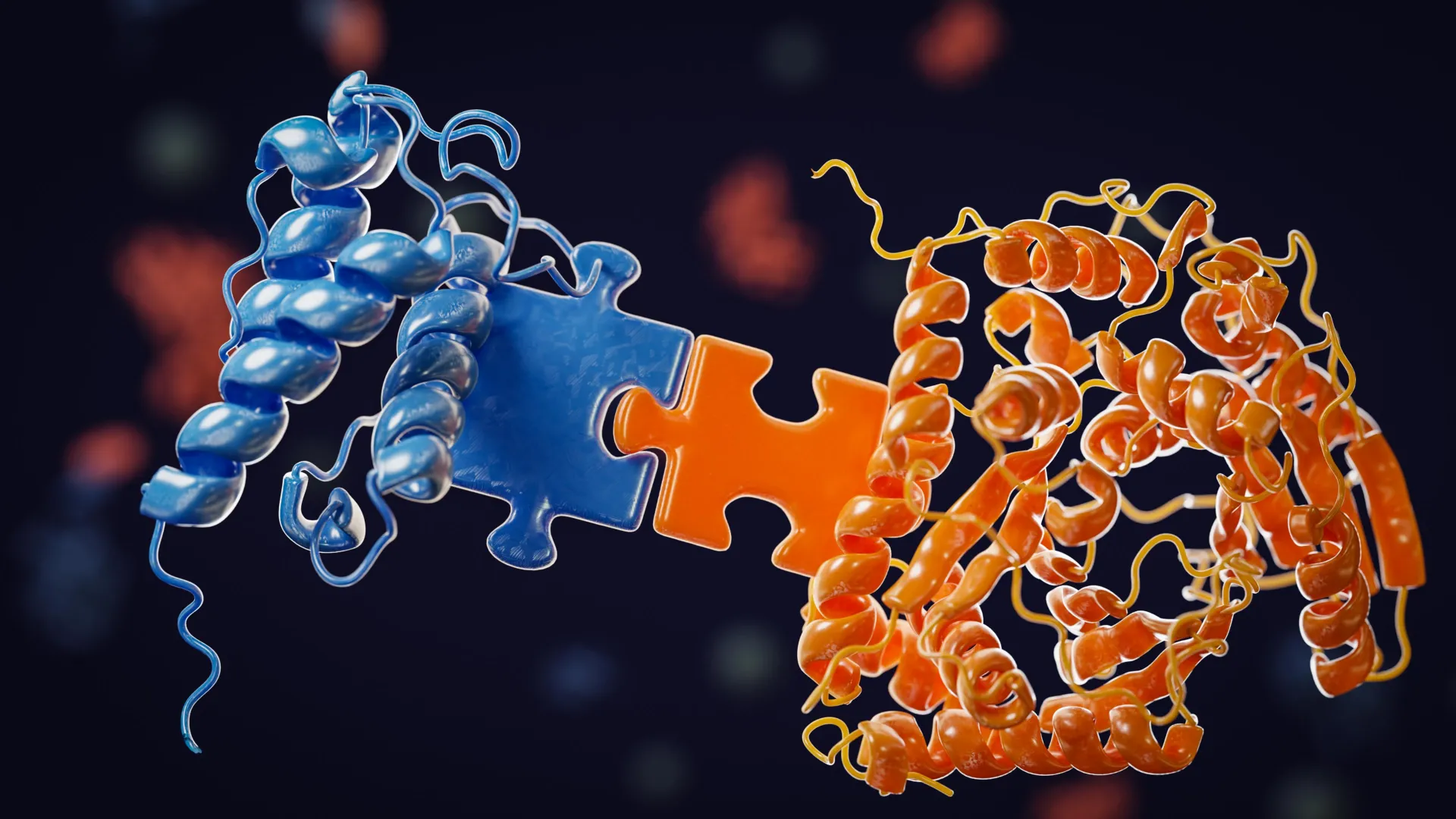
The key to unraveling nature’s sophisticated drug-making strategy lies in the discovery of minute molecular regions termed ‘docking domains.’ These domains function as specialized connectors, serving as crucial interfaces between the central machinery responsible for constructing the core drug structure and the accessory enzymes tasked with integrating different chemical components. A remarkable feature of these docking domains is their possession of a highly conserved connection point, which grants them the inherent flexibility to engage with a multitude of enzyme partners. This inherent adaptability in design provides a compelling explanation for how bacteria can simultaneously produce a rich variety of related drug molecules while meticulously maintaining the structural integrity and precise molecular architecture essential for these compounds to retain their therapeutic efficacy.
Furthermore, this pioneering investigation offers invaluable insights into the evolutionary trajectory of these natural drug-producing systems. The researchers posit that the newly identified compound, FR-901375, which had been known for decades but whose biosynthetic pathway remained elusive, most likely originated from an existing, related drug-producing pathway. This evolutionary diversification, they suggest, occurred through processes of gene duplication and subsequent recombination events over extended geological timescales. Understanding this natural evolutionary logic provides a powerful blueprint for synthetic biologists aiming to mimic and optimize these processes in a laboratory setting.
Professor Greg Challis, who holds a joint appointment as Monash Warwick Alliance Professor of Sustainable Chemistry at both the University of Warwick and Monash University, underscored the transformative potential of this research. He emphasized that the findings furnish a comprehensive blueprint for replicating, and indeed improving upon, nature’s inherent capabilities, but at a significantly accelerated pace. By reverse-engineering the evolutionary strategies employed by nature, scientists are now empowered to design novel synthetic pathways. These engineered pathways can be precisely tailored to generate a robust library of new anti-cancer drug candidates, each optimized for superior clinical performance. This optimization could manifest as enhanced potency against target cells, improved selectivity to minimize off-target effects, and a reduction in undesirable side effects, thereby offering a more refined therapeutic profile. Professor Challis articulated the immediate objective: to construct an expansive catalog of drug candidates specifically targeting various types of cancers for which effective new treatments are desperately needed. He highlighted that this discovery represents a crucial paradigm shift, moving the scientific community from a mere comprehension of how these complex systems operate to the active construction and innovation of entirely new ones.
The work primarily centers on a critical class of anti-cancer medications known as histone deacetylase (HDAC) inhibitors. These drugs exert their therapeutic effects by blocking the activity of histone deacetylases, a family of enzymes that play a pivotal role in regulating gene expression within cells by influencing whether specific genes are activated or silenced. Dysregulation of HDAC activity is frequently observed in various cancers, making these enzymes attractive targets for therapeutic intervention. Romidepsin (Istodax), as previously mentioned, stands as a prominent example of an FDA-approved HDAC inhibitor, specifically indicated for the treatment of certain T-cell lymphomas.
For many years, a chemically related compound, FR-901375, had been recognized by the scientific community, yet the specific biological pathway employed by bacteria to synthesize it had remained a persistent mystery. This recent study successfully fills this critical gap in knowledge, illuminating the complete biosynthetic route for FR-901375. Like other HDAC inhibitors within its family, FR-901375 belongs to a complex group of cyclic molecules known as depsipeptides. These intricate compounds are meticulously assembled from fundamental amino acid building blocks, along with a conserved hydroxy acid pharmacophore, all intricately linked together through a combination of both peptide and ester bonds. The precise arrangement and connectivity of these components are paramount to their biological activity.
Within the microscopic confines of bacteria, these elaborate molecules are meticulously constructed by colossal protein complexes referred to as PKS-NRPS hybrids. These remarkable molecular factories combine the synergistic activities of polyketide synthase (PKS) and nonribosomal peptide synthetase (NRPS) enzymes, each contributing distinct biosynthetic capabilities. The new research unequivocally demonstrates that the fundamental key to this intricate assembly process resides in the aforementioned docking domains. These domains function with exquisite specificity, acting as molecular communication hubs that enable one segment of the complex production line to accurately recognize and efficiently transfer its intermediate product to the subsequent enzymatic partner. This precise and orchestrated mechanism is what fundamentally underpins combinatorial biosynthesis, granting bacteria the extraordinary ability to naturally generate a diverse repertoire of drug variants from a relatively constrained set of enzymatic machinery.
To meticulously uncover the operational intricacies of this complex system, the interdisciplinary research team employed a comprehensive suite of advanced scientific methodologies. Their rigorous investigation seamlessly integrated cutting-edge techniques from structural biology, which provided high-resolution insights into the three-dimensional architecture of the enzymes and their interactions; sophisticated biochemical analyses, which elucidated the enzymatic reactions and substrate specificities; genetic manipulation, which allowed for the targeted alteration and study of specific genes involved in the pathway; and advanced computational modeling, which helped predict molecular interactions and simulate complex biological processes. This multi-pronged approach was indispensable for piecing together the complete picture of this elegant molecular system, offering a holistic understanding that transcends the limitations of any single scientific discipline. The convergence of these diverse techniques ultimately provided the definitive evidence needed to solve this decades-old biological puzzle.
The implications of this fundamental discovery extend far beyond merely understanding bacterial biochemistry. It fundamentally reshapes the landscape of drug discovery, moving from serendipitous findings or brute-force screening towards a more rational, design-driven approach. By providing a clear blueprint for nature’s combinatorial biosynthesis, scientists can now envision a future where novel therapeutic agents are not just discovered, but intelligently engineered from the ground up. This promises not only faster development cycles but also the potential for drugs with unprecedented precision, potency, and safety profiles, tailored to individual patient needs and specific cancer types. This seminal work truly represents a new frontier in the quest for more effective and less toxic cancer treatments, offering renewed hope for patients worldwide.
About the Author