Optimizing Lower Body Stability: Functional Standing Exercises for Adductor Strength and Mobility in Active Seniors
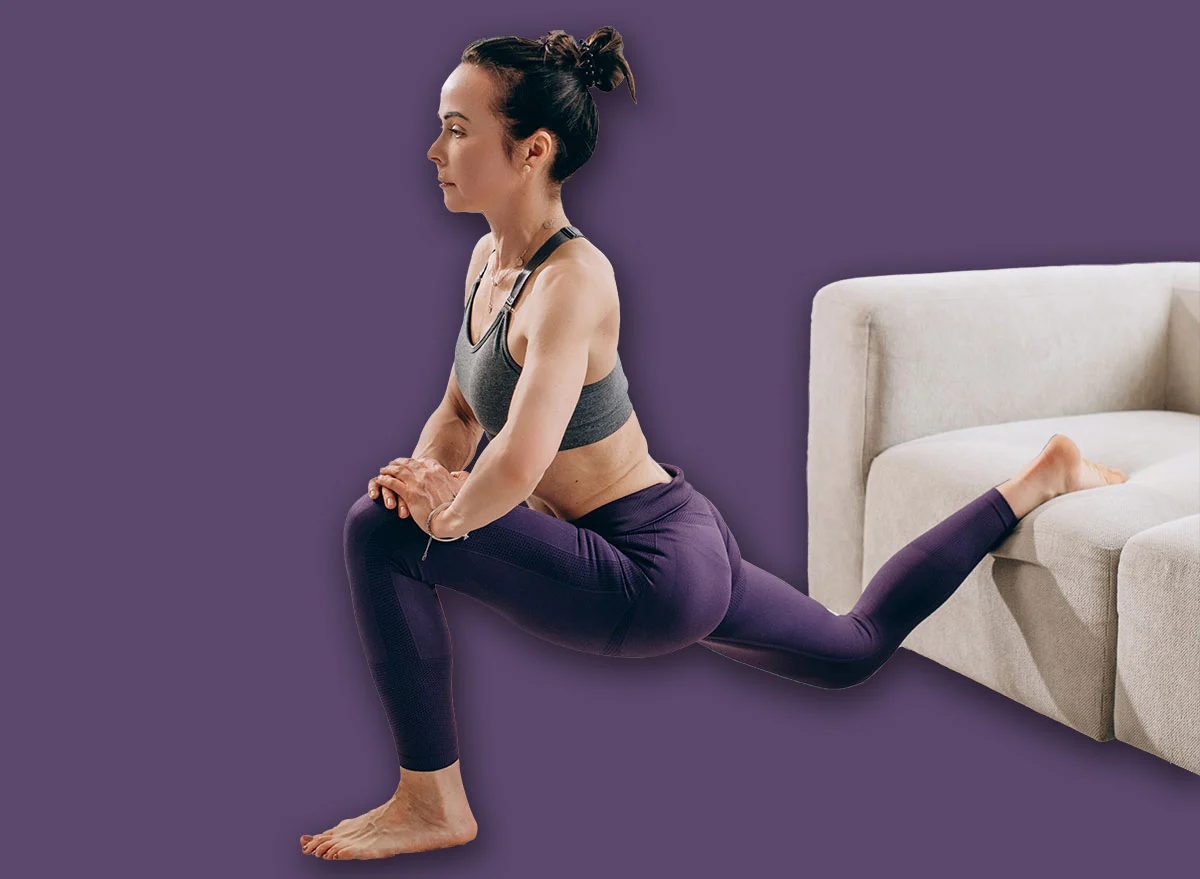
The pursuit of robust lower body strength, particularly targeting the inner thigh musculature, often leads individuals to conventional gym equipment. However, for adults over the age of sixty seeking to enhance not only muscle tone but also crucial functional capabilities like balance, gait, and overall mobility, a paradigm shift from isolated machine exercises to integrated, standing movements proves significantly more beneficial. This approach prioritizes the dynamic, multi-faceted role of the adductor muscle group, moving beyond the simplistic notion of mere leg adduction to embrace their comprehensive contribution to stability and movement control throughout the hip and knee joints.
Understanding the intricate anatomy and diverse functions of the inner thigh muscles is foundational to appreciating the efficacy of functional training. This group, collectively known as the adductors, comprises several distinct muscles: the adductor longus, adductor brevis, adductor magnus, gracilis, and pectineus. While their most recognized action is drawing the leg inward toward the body’s midline (adduction), their responsibilities extend far beyond this singular movement. These muscles are pivotal in stabilizing the pelvis, especially during single-leg stances and dynamic movements, and they play a critical role in controlling the rotation and flexion of the hip. Furthermore, the adductors act synergistically with other major leg muscles, contributing to the proper tracking of the knee joint and maintaining equilibrium as weight shifts from side to side or forward and backward. This integrated action is indispensable for performing everyday activities such as walking confidently, navigating stairs, stepping over obstacles, and changing directions without losing balance—all aspects that become increasingly important for maintaining independence and preventing falls in later life.
The conventional wisdom often points towards machine-based adduction exercises for strengthening the inner thighs. While these machines can isolate the adductor muscles and create a localized "burn," they frequently fall short in replicating the complex muscular coordination required for functional movement. Machines often restrict the body to a fixed plane, negating the need for core engagement and stabilization from other muscle groups. For older adults, who may experience age-related declines in balance, proprioception (the body’s sense of its position in space), and overall muscle mass (sarcopenia), exercises that challenge the entire kinetic chain are paramount. Standing exercises, by their very nature, demand greater neurological input and muscular recruitment, forcing the adductors to work in concert with the glutes, quadriceps, hamstrings, and core stabilizers to control movement, absorb forces, and maintain upright posture. This holistic engagement translates directly to improved real-world performance and a reduced risk of injury.
Incorporating a routine of standing, compound movements provides a more comprehensive stimulus to the adductor group, training them in their natural roles of support and dynamic control. The following five exercises offer a robust framework for developing inner thigh strength, enhancing balance, and promoting overall lower body resilience for individuals over sixty. Each movement is designed to challenge the adductors from multiple angles and planes of motion, fostering integrated strength that machine-based training often overlooks.
1. Dynamic Lateral Lunges
The lateral lunge stands as a cornerstone for training the adductors in their capacity for frontal plane movement and eccentric control. As one steps out to the side, the inner thigh of the extended leg undergoes a significant stretch, while the bending leg’s adductors, quadriceps, and glutes work concentrically to control the descent. The subsequent return to the starting position is powerfully driven by the adductors, drawing the body back to the center. This movement directly mimics actions like stepping out of a car or recovering from a stumble. To execute, begin with feet hip-width apart. Step directly to the side with one foot, sending the hips back and bending the knee of the stepping leg while keeping the other leg straight. Ensure both feet remain flat on the floor and the torso stays upright. Push off the stepping foot to return to the center. Focus on controlled, deliberate motion rather than speed. For stability, a hand can be placed on a sturdy chair or wall. Aim for 3 sets of 8-10 repetitions per side, resting for 45-60 seconds between sets.
2. Supported Cossack Squats
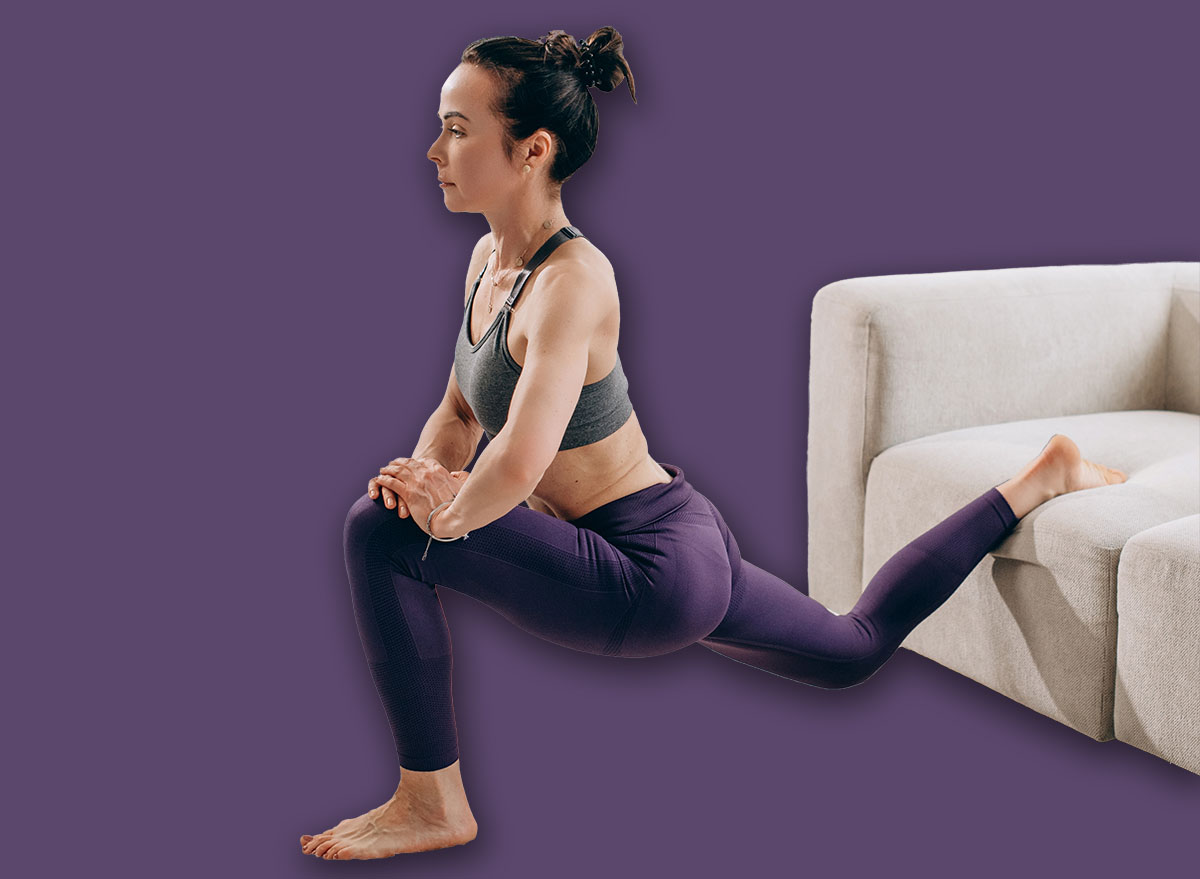
Offering a deeper and more challenging stretch to the adductors, the Cossack squat integrates strength and flexibility within a single movement. This exercise requires one leg to bend deeply into a squat while the other leg extends completely to the side, maintaining a flat foot. The adductor muscles of the extended leg are intensely engaged, providing control and stability throughout the stretched position. Given its demanding nature, utilizing external support such as a countertop, a sturdy railing, or the back of a chair is highly recommended, especially when first learning the movement. The emphasis should always be on maintaining clean control and a manageable range of motion, rather than forcing an uncomfortable depth. Proper form dictates keeping the heel of the bent leg grounded and allowing the knee to track in line with the toes. Perform 2-3 sets of 6-8 repetitions per side, with 60 seconds of rest between sets. Gradually increase the range of motion as strength and flexibility improve.
3. Controlled Box Step-Downs
While often perceived as a quadriceps exercise, the box step-down significantly recruits the adductors as critical stabilizers, particularly during the eccentric (lowering) phase. Standing on a low step or platform, the working leg controls the descent of the opposite heel towards the floor. This single-leg stability challenge forces the adductors, alongside the quadriceps and glutes, to work synergistically to maintain knee alignment and prevent undue inward collapse of the knee. The slower the descent, the greater the demand on these stabilizing muscles. Begin with a very low step (e.g., 4-6 inches) and prioritize a slow, deliberate lowering motion. Ensure the knee of the standing leg tracks consistently over the toes throughout the movement, avoiding any lateral deviation. This exercise directly enhances the control needed for navigating stairs and uneven terrain. Aim for 2-3 sets of 6-8 repetitions per side, resting for 45-60 seconds between sets.
4. Stabilized Bulgarian Split Squats
The Bulgarian split squat is an exceptional unilateral exercise for building comprehensive lower body strength, where the adductors play a vital role in maintaining pelvic and knee stability. With one foot elevated on a bench or sturdy surface behind the body, the front leg performs the majority of the work, descending into a lunge. The adductors of the front leg are crucial for preventing the knee from collapsing inward and for stabilizing the hip joint throughout the movement. This focus on single-leg strength significantly improves balance and enhances muscular endurance. Start with bodyweight, prioritizing a stable base and controlled range of motion before considering external weights or increased depth. Ensure the majority of the weight remains on the front leg, avoiding pushing off the back foot. This exercise translates directly to improved balance during walking and standing activities. Complete 3 sets of 6-8 repetitions per side, with 60 seconds of rest between sets. Supported variations, holding onto a stable object, are advisable initially.
5. Rotational Curtsy Lunges
The curtsy lunge engages the adductors, glutes, and outer hip muscles through a unique cross-behind stepping pattern, adding a rotational component to lower body training. As one foot steps diagonally behind and across the standing leg, the adductors of both legs are challenged: the standing leg’s adductors work to stabilize the hip and knee against internal rotation, while the stepping leg’s adductors control its placement and assist in the return to center. This exercise enhances hip mobility and stability in multiple planes. The key is to keep the stepping motion small and controlled, ensuring comfort in the hips and knees. The movement should feel fluid and stable, not forced or twisted. Focus on maintaining an upright posture and allowing the front knee to track naturally over the toes. Perform 2-3 sets of 8-10 repetitions per side, resting for 45-60 seconds between sets. Shorter-range and supported variations are excellent starting points.
To integrate these functional standing exercises effectively into a fitness regimen for active seniors, consistency and proper execution are paramount. It is recommended to perform this routine two to three times per week, allowing adequate recovery between sessions. A typical structure might involve completing one set of each exercise consecutively, resting for 60-90 seconds, and then repeating the entire circuit for two to three total rounds. Prior to beginning, a gentle warm-up comprising dynamic stretches and light cardiovascular activity is advisable, and similarly, a cool-down with static stretches should conclude the session. Always listen to your body, adjusting the range of motion, speed, or using support as needed. Consulting with a healthcare provider or a certified fitness professional before starting any new exercise program is always prudent, especially for individuals with pre-existing conditions. By shifting the focus from isolated machine movements to these integrated, standing exercises, seniors can cultivate not just firmer inner thighs, but a significantly enhanced foundation of lower body strength, stability, and mobility, fostering greater independence and an improved quality of life.
Related posts:

Related News