The ubiquitous presence of plastic pollution, now pervasive across ecosystems, has emerged as a critical environmental challenge. While macro- and microplastic contamination often capture headlines, an even more insidious threat lurks at the nanoscale: nanoplastics. Recent groundbreaking research illuminates an alarming dimension of this microscopic menace, revealing that these minute particles may inadvertently be strengthening harmful bacterial communities within vital drinking water systems, thereby complicating public health protection efforts. This unforeseen interaction between anthropogenic pollutants and microbial life introduces a complex layer of risk to global water safety.
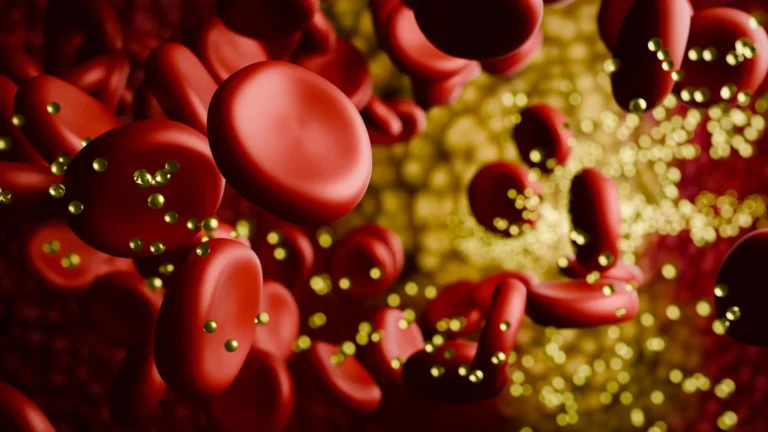
Nanoplastics represent an incredibly fine fraction of plastic debris, typically defined as particles ranging from approximately 1 to 1,000 nanometers. Their diminutive size renders them invisible to the naked eye, allowing for pervasive dissemination through air, soil, and water bodies, including oceans and freshwater sources. These minute fragments originate primarily from the continuous breakdown of larger plastic items – from everyday packaging and synthetic textiles to industrial waste – undergoing relentless physical, chemical, and biological weathering processes. Unlike their larger counterparts, nanoplastics possess a significantly greater surface area-to-volume ratio and distinct physicochemical properties, enabling them to interact uniquely with biological systems. Their capacity to traverse cellular barriers and potentially transport adsorbed contaminants within living organisms has already been a subject of growing concern, but their indirect environmental impact on microbial ecosystems presents an equally formidable challenge.
Integral to virtually every aquatic environment, biofilms are complex microbial communities encased within a self-produced polymeric matrix, adhering to various surfaces. In drinking water infrastructure, these slimy aggregations frequently colonize the internal walls of pipes, reservoirs, and treatment equipment. While some biofilms play beneficial roles in natural ecosystems, such as in wastewater treatment or bioremediation, their persistent presence in potable water networks is a double-edged sword. They provide a protective sanctuary for microorganisms, shielding them from environmental stressors, nutrient deficiencies, and, critically, chemical disinfectants employed to purify water. Within this protective matrix, pathogenic bacteria can thrive, proliferate, and subsequently detach to contaminate the flowing water, posing a direct threat to public health. The formation and persistence of these biofilms are a constant battle for water utilities globally.
A pivotal investigation, spearheaded by Assistant Professor Jingqiu Liao of Virginia Tech’s Department of Civil and Environmental Engineering, alongside an international consortium of researchers, has shed critical light on these interactions. Published in the esteemed journal Water Research, their findings demonstrate a concerning mechanism: nanoplastics actively influence the dynamics of microbial communities, potentially fostering an environment where harmful bacteria become more resilient. This research underscores an indirect yet profound pathway through which microscopic plastic pollution could compromise the safety and integrity of global drinking water supplies, urging a re-evaluation of current water management strategies.
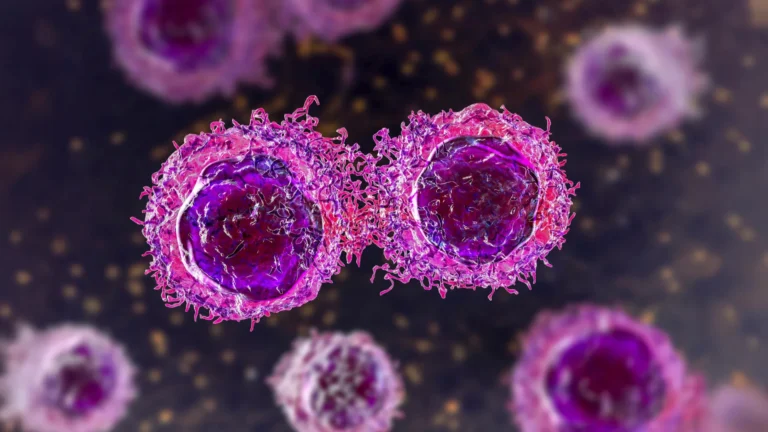
The research team meticulously examined the responses of mixed-species biofilms, specifically focusing on Escherichia coli and Pseudomonas aeruginosa, two prevalent bacterial strains often found in environmental water systems and clinical settings, some strains of which are recognized pathogens. When these microbial communities encountered nanoplastic particles in laboratory settings, a cascade of complex biological responses was observed, ultimately enhancing the biofilm’s robustness and resistance to external interventions.
Firstly, the study revealed that nanoplastics stimulate heightened intercellular communication among bacteria within the biofilm. This phenomenon, known as "quorum sensing," is a sophisticated bacterial communication system that allows populations to coordinate gene expression in response to cell density. In the presence of nanoplastics, this communication was amplified, leading to the increased production and secretion of extracellular polymeric substances (EPS) – the sticky matrix primarily composed of polysaccharides, proteins, and DNA that encapsulates the bacterial cells. Consequently, the biofilm becomes physically denser, thicker, and more structurally fortified, offering superior protection against environmental threats, including the penetration of disinfectants and physical removal attempts.
Secondly, a fascinating and concerning aspect involved bacteriophages, which are viruses that specifically infect bacteria. The researchers observed that nanoplastic exposure triggered the activation of prophages – quiescent phage DNA integrated into the bacterial host genome, lying dormant until specific environmental cues. Upon activation, these prophages transition into a lytic cycle, replicating rapidly and ultimately lysing (bursting) the host bacterial cells. While this might seem counterintuitive for bacterial strengthening, the process of bacterial lysis can accelerate horizontal gene transfer. This mechanism allows genetic material, including genes conferring virulence factors and antibiotic resistance, to be exchanged among surviving bacteria or other species within the biofilm, potentially disseminating traits that make the entire community more resilient.
Concurrently, the bacteria exhibited an advanced defensive strategy against these activated phages. They deployed their clustered regularly interspaced short palindromic repeats (CRISPR) adaptive immune systems. CRISPR-Cas systems, often lauded for their genome-editing applications, naturally function in bacteria and archaea as an antiviral defense mechanism. They enable bacteria to recognize and cleave foreign genetic material from invading phages, essentially ‘memorizing’ past infections to mount a more robust defense against future viral assaults. This complex interplay of activation and defense within the nanoplastic-exposed biofilm creates a dynamic, evolutionary environment where bacteria not only survive but potentially evolve heightened resistance to a broader spectrum of challenges, including those posed by engineered disinfection methods.
The practical ramifications of these findings for water management are substantial and far-reaching. Conventional water treatment processes heavily rely on disinfection methods, such as chlorination, ozonation, or UV irradiation, to eliminate pathogenic microorganisms and ensure the safety of potable water. However, the study unequivocally demonstrated that nanoplastic-enhanced biofilms exhibit significantly increased resistance to these standard disinfectants. This heightened resilience means that established protocols for water purification may become less effective, potentially allowing dangerous bacteria to persist and proliferate within treated water, even after it leaves the treatment plant. The authors explicitly warned that this enhanced mechanical strength and disinfectant resistance could lead to the formation of "difficult-to-eradicate biofilms" on the surfaces of water treatment and distribution systems, posing an unprecedented challenge to maintaining potable water quality and safety in an era of increasing environmental pollution.
From a public health perspective, the implications are profound. If water infrastructure becomes a breeding ground for disinfectant-resistant pathogens, the risk of waterborne disease outbreaks could escalate significantly. Such outbreaks not only impose a heavy burden on healthcare systems but also erode public trust in essential water utilities. Moreover, the long-term presence of antimicrobial-resistant pathogens in environmental systems, fostered by nanoplastic contamination, could contribute to the broader, global crisis of antimicrobial resistance (AMR) – a major health threat already projected to cause millions of deaths annually by 2050. Assistant Professor Liao emphasized the critical need to comprehensively understand these adverse effects, stating, "It is very important to better understand the adverse effects of the nanoplastics on human health, and not just in humans but also in the environment, which indirectly influences human health. The nanoplastics can make the antimicrobial-resistant pathogens better survive, which could be harmful to the environment and would have public health implications." This highlights the complex, interconnected nature of environmental pollution and human well-being, where an seemingly benign contaminant can trigger a cascade of biological responses with far-reaching consequences.
This research builds upon a foundation of extensive expertise in microbial ecology and metagenomic analysis. Professor Liao’s prior work has notably delved into the intricate mechanisms by which environmental matrices, such as soil, facilitate the dissemination of antibiotic resistance genes – a testament to her deep understanding of microbial resilience and adaptation in diverse ecosystems. Her interdisciplinary approach, evident in affiliations with institutions like the Fralin Life Sciences Institute’s Global Change Center and the Center for Emerging, Zoonotic, and Arthropod-borne Pathogens, underscores the holistic perspective brought to this challenging field. This background positions her team uniquely to unravel the complex interplay between novel anthropogenic pollutants and microbial evolution.
While the current study provides seminal insights into the nanoplastic-microbe dynamic, Professor Liao stressed that it also opens new avenues for further investigation. Future research must meticulously dissect the specific molecular pathways that govern these bacterial responses within more complex, multi-species biofilms, reflecting the true diversity of microbial communities in natural and engineered systems. Furthermore, the role of particle size warrants closer scrutiny; microplastics, being larger than nanoplastics, may exert different influences on bacteria-phage interactions and biofilm formation, potentially leading to distinct environmental and health outcomes. "Overall, our findings provide novel insights into the interplay between nanoplastics and bacterium-phage dynamics, highlighting increased microbial risks associated with waterborne nanoplastics," Liao concluded, succinctly encapsulating the gravity of their discovery.
This research serves as a stark reminder that human-generated pollution can have unforeseen and cascading consequences, subtly altering fundamental biological processes with significant implications for public health and environmental integrity. Addressing the escalating challenge of nanoplastic contamination will require a multi-faceted approach, encompassing improved waste management strategies, the development of innovative water treatment technologies capable of removing these microscopic particles, and a deeper, continuous understanding of the ecological ramifications of our pervasive plastic footprint. The silent strength gained by pathogens in the presence of these invisible particles demands urgent attention from scientists, policymakers, and the public alike, as the battle for clean and safe drinking water faces a new, microscopic adversary.
About the Author