Mitochondrial Microproteins: A Novel Biological Bridge Linking Mediterranean Diet to Cellular Resilience.
A groundbreaking investigation has illuminated a previously unrecognized biological mechanism through which the adherence to a Mediterranean dietary pattern may confer profound protective effects on both cardiovascular health and cognitive function. Researchers at the USC Leonard Davis School of Gerontology have identified specific, diminutive proteins synthesized within the cellular powerhouses – mitochondria – as potential mediators of these well-documented health benefits. These findings suggest that the long-heralded advantages of this eating style might be intricately tied to the modulation of these minuscule molecular messengers, offering a novel perspective on aging and disease prevention.
Mitochondria, long recognized primarily for their indispensable role in cellular energy production, are now understood to possess a more multifaceted function, extending to the release of signaling molecules that profoundly influence a wide array of physiological processes. These include intricate metabolic pathways, the body’s inflammatory responses, its capacity to cope with cellular stress, and the very trajectory of the aging process. This emerging understanding positions mitochondria not merely as energy factories but as sophisticated communication hubs within the cell.
The study’s analysis of blood samples from older adults revealed a compelling correlation: individuals who most closely followed the dietary principles of the Mediterranean region exhibited elevated levels of two specific mitochondrial microproteins, designated as humanin and SHMOOSE. These proteins have independently been the subject of prior scientific inquiry, with existing research suggesting their involvement in safeguarding against the progression of cardiovascular ailments and neurodegenerative conditions, such as the gradual decline in neuronal function characteristic of Alzheimer’s disease.
Dr. Roberto Vicinanza, an instructional associate professor of gerontology at the USC Leonard Davis School and the lead investigator of this research, articulated the significance of these findings, suggesting that these microproteins may function as critical conduits. "These microproteins may act as molecular messengers that translate what we eat into how our cells function and age," Dr. Vicinanza explained, emphasizing that this represents a novel biological pathway that could substantially elucidate the potent efficacy of the Mediterranean diet.
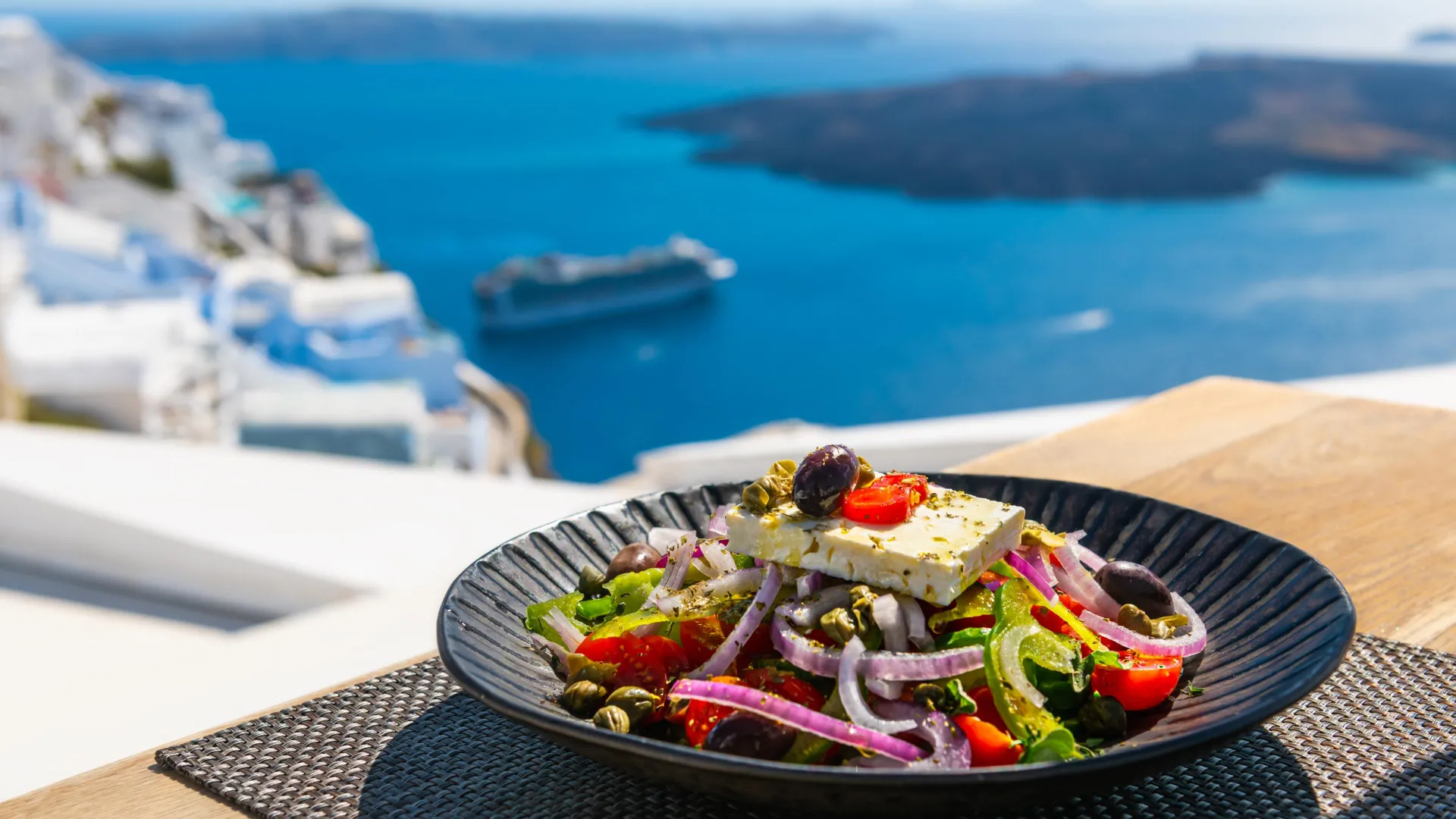
The Mediterranean dietary framework, characterized by its emphasis on staple foods such as olive oil, fish, legumes, an abundance of fruits and vegetables, whole grains, and other minimally processed ingredients, has been consistently associated with numerous health advantages. Conversely, it typically involves a deliberate limitation of refined carbohydrates, heavily processed food items, and products laden with added sugars. For decades, extensive scientific literature has drawn a strong connection between this eating pattern and a reduced incidence of cardiovascular disease, type 2 diabetes, cognitive impairment, and premature mortality. Despite this established link, the precise cellular and molecular mechanisms underpinning these protective effects have remained an active area of scientific exploration.
In this latest investigation, the research cohort meticulously examined blood specimens drawn from older individuals, assessing their varying degrees of adherence to the Mediterranean diet. A striking observation emerged: participants demonstrating the most rigorous commitment to this dietary regimen displayed markedly higher concentrations of both humanin and SHMOOSE. Concurrently, these individuals also presented with diminished markers of oxidative stress. Oxidative stress, a detrimental cellular condition, arises when the body’s antioxidant defense mechanisms are overwhelmed by an excess of unstable molecules known as reactive oxygen species. The persistent presence of such imbalances can inflict damage upon cellular components like proteins, lipids, and DNA, and is strongly implicated in the aging process and the pathogenesis of a multitude of chronic diseases.
Delving deeper into the dietary components, the findings suggest that individual elements within the Mediterranean diet may exert differential influences on mitochondrial well-being. A higher intake of olive oil, fish, and legumes was found to correlate with increased levels of humanin. Similarly, the consumption of olive oil, coupled with a reduced intake of refined carbohydrates, was associated with augmented SHMOOSE levels. Refined carbohydrates, commonly found in products like white bread, pastries, and many sweetened items, have been stripped of much of their inherent fiber and nutrient content during processing. Their rapid digestion leads to swift and pronounced spikes in blood glucose levels.
Dr. Pinchas Cohen, Dean of the USC Leonard Davis School and a USC Distinguished Professor who served as the study’s senior author, highlighted the direct implications of these results. "These findings suggest that specific components of the Mediterranean diet may directly influence mitochondrial biology," Dr. Cohen stated. He further posited that humanin and SHMOOSE could potentially serve as valuable biomarkers, not only for assessing adherence to the Mediterranean diet but also for their broader clinical significance. A biomarker is a quantifiable biological indicator that can furnish insights into an individual’s health status, the presence or progression of disease, or the body’s response to specific interventions or behaviors. In this context, the two microproteins could offer a sophisticated method for quantifying the biological impact of a Mediterranean eating pattern on an individual.
The foundational research for this study is rooted in over two decades of work led by Dr. Cohen, who was instrumental in the initial discovery of peptides originating from mitochondria. While the majority of well-characterized human proteins are synthesized based on genetic blueprints encoded within the nuclear DNA of cells, mitochondria possess their own distinct, albeit small, genetic material. This mitochondrial DNA is inherited independently of nuclear DNA. Humanin and SHMOOSE originate from specific, short sequences within this mitochondrial genome, known as small open reading frames (sORFs). These regions were once considered largely non-functional, but contemporary research has revealed that some of them indeed give rise to biologically active microproteins.
Humanin stands out as one of the most extensively studied among these mitochondrial peptides. First identified by Dr. Cohen and his team in 2003, subsequent investigations have linked it to improvements in insulin sensitivity, enhanced cardiovascular protection, promotion of longevity, and the preservation of cognitive function. More recently, Dr. Cohen’s laboratory identified SHMOOSE (Small Human Mitochondrial ORF Over SErine tRNA), a microprotein that has shown promise in relation to brain health. Notably, certain genetic variations of SHMOOSE have been associated with an increased susceptibility to Alzheimer’s disease, whereas its standard form appears to play a protective role in shielding neurons from damage induced by amyloid protein accumulation. Amyloid, a protein that can aggregate abnormally in the brain, forming plaques, represents a hallmark pathological feature of Alzheimer’s disease.
"These peptides are emerging as key regulators of aging biology," Dr. Cohen remarked, underscoring their growing importance. "They connect mitochondrial function to diseases like Alzheimer’s and heart disease and now, potentially, to nutrition."
The research also uncovered a potential link between humanin and Nox2, an enzyme involved in the generation of reactive oxygen species. While reactive oxygen species play essential roles in normal cellular signaling and immune responses, an overproduction can lead to tissue damage and exacerbate oxidative stress. The study observed that higher levels of humanin were associated with reduced Nox2 activity, suggesting that humanin might contribute to mitigating oxidative damage and thereby offer an additional layer of protection for the heart and vascular system. The researchers hypothesize that the Mediterranean diet may safeguard the cardiovascular system through a dual mechanism: by directly reducing oxidative stress and simultaneously by upregulating mitochondrial microproteins that help to curb detrimental cellular processes. "This could represent a new cardioprotective mechanism of the Mediterranean diet," stated Dr. Vicinanza, proposing a novel understanding of its cardiovascular benefits.
Beyond the laboratory, Dr. Vicinanza has actively championed the Mediterranean diet, advocating for its recognition not only as a cornerstone of health but also as a model for cultural heritage and environmental sustainability. His collaboration with the Municipality of Pollica in Italy, a community designated as a UNESCO Mediterranean Diet emblematic site, has been instrumental in supporting the establishment of the International Day of the Mediterranean Diet at the United Nations. Observed annually on November 16th, this day aims to elevate global awareness regarding the multifaceted health, cultural, and ecological significance of this traditional eating pattern. Dr. Vicinanza views this initiative as intrinsically linked to the broader implications of the current findings. "We’re connecting centuries-old dietary traditions with cutting-edge molecular biology," he observed. "It supports the idea that healthy eating patterns with little to no ultra-processed foods reflect how humans have eaten over long periods and may create conditions to which mitochondria — ancient cellular organelles — are likely adapted." Cellular organelles are specialized structures within cells responsible for distinct functions. Mitochondria are considered ancient due to their evolutionary origins, believed to have arisen from free-living bacteria that formed a symbiotic relationship with early eukaryotic cells over a billion years ago.
While this study provides compelling associations, it is important to acknowledge its observational nature and relatively small sample size. This means that while it identified correlations between dietary habits and microprotein levels, it cannot definitively establish causality. Numerous other factors, including physical activity levels, overall health status, medication use, genetic predispositions, and broader lifestyle choices, could also have influenced the observed outcomes. Nevertheless, the results offer a significant step forward in the burgeoning field of precision nutrition, an approach that seeks to tailor dietary recommendations to individuals based on a comprehensive understanding of their unique biological markers, genetic makeup, metabolic profiles, and other personal characteristics, moving beyond generalized nutritional advice.
In the future, humanin, SHMOOSE, and related mitochondrial microproteins may serve as crucial tools for scientists to discern which specific dietary regimens elicit beneficial cellular responses in any given individual. Subsequent research endeavors will focus on experimentally manipulating dietary intake to ascertain whether it can directly elevate levels of these peptides and, crucially, whether such increases translate into a measurable reduction in disease risk. "Our goal is to move from observing associations to understanding causality," Dr. Vicinanza affirmed. "If we can harness these pathways, we may be able to design nutritional strategies that promote healthy aging at the molecular level."
The study, titled "Mediterranean diet adherence is associated with mitochondrial microproteins Humanin and SHMOOSE; potential role of the Humanin-Nox2 interaction in cardioprotection," was published on March 9, 2026, in the journal Frontiers in Nutrition. Coauthors included Junxiang Wan and Kelvin Yen from the USC Leonard Davis School, and Vittoria Cammisotto, Francesco Violi, and Pasquale Pignatelli from Sapienza University of Rome. Funding for this research was provided by the USC Daryl and Irwin Simon Nutrition for Alzheimer’s Disease Prevention Research Fund (to Vicinanza), the Hanson-Thorell Family Research Award (to Vicinanza), National Institutes of Health grant P30AG094848 (to Cohen), and PRIN 2022 grant 000031_23_PP_PIGNATELLI_PRIN_2022-B53D23021240006 (to Pignatelli).
Related posts:

Related News