Rethinking Stroke Etiology: Unveiling the True Culprit Behind a Prevalent Neurological Event
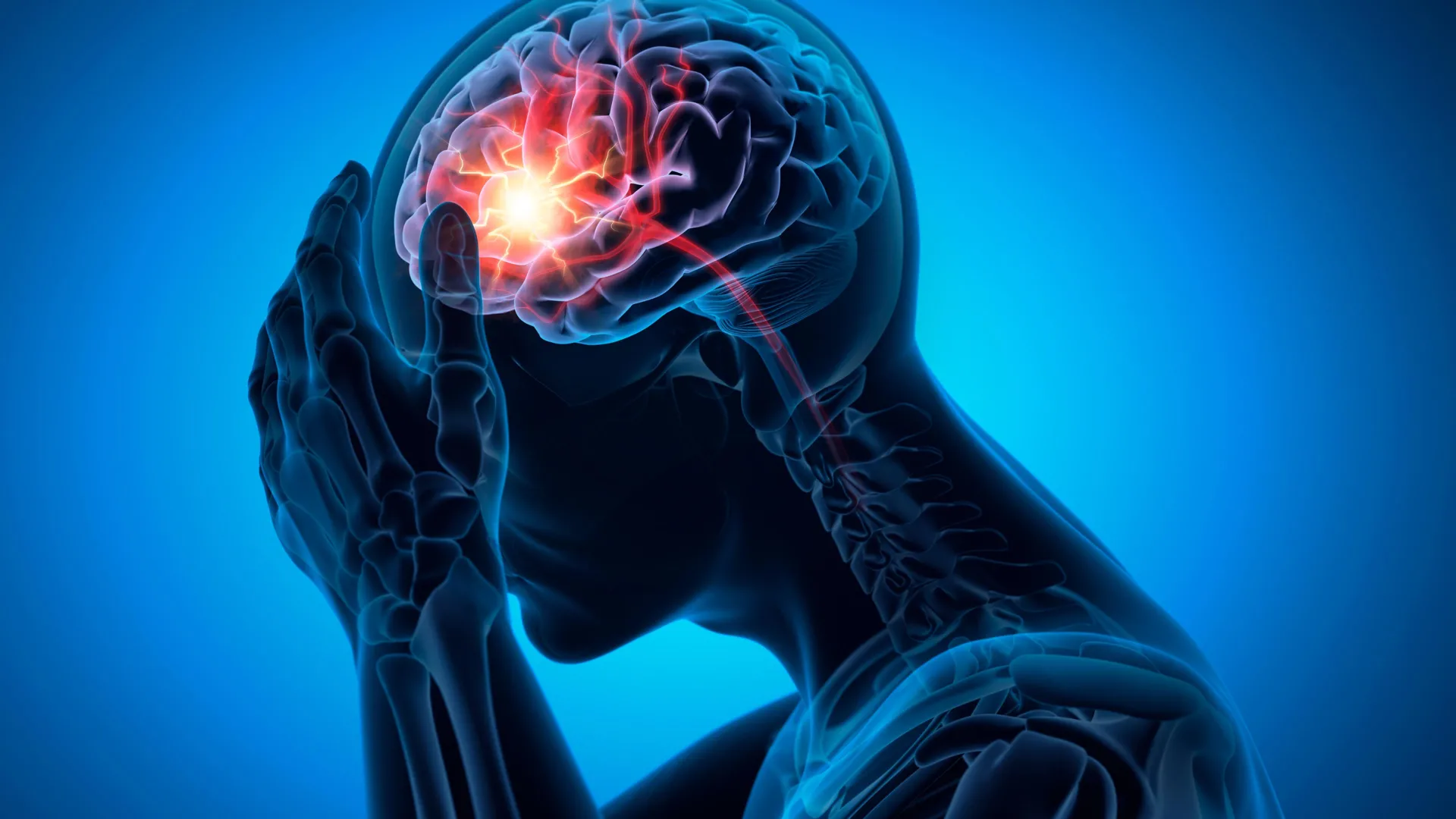
For decades, the prevailing understanding of a common type of stroke, known as lacunar ischemic stroke, has centered on the accumulation of fatty plaque within arterial walls. However, groundbreaking new scientific inquiry is challenging this long-held assumption, suggesting that the primary drivers of this debilitating condition may lie not in the larger vessels, but within the intricate network of the brain’s own microvasculature. This pivotal research indicates that alterations in the brain’s smaller arteries, specifically their abnormal widening and elongation, are far more strongly implicated than previously recognized.
This paradigm shift in understanding has profound implications for patient care and the efficacy of existing preventative measures. Many individuals who experience lacunar strokes are already undergoing treatment with commonly prescribed medications such as aspirin and other antiplatelet agents, designed to inhibit blood clotting and prevent plaque buildup. Yet, the persistent occurrence of these strokes, even among patients on such therapies, has posed a significant clinical puzzle. The new findings offer a compelling explanation for this observed limitation, suggesting that these treatments, focused on the macrovascular issue of plaque, may be misaligned with the actual pathology of lacunar strokes.
The ramifications of this discovery are already beginning to shape the trajectory of future therapeutic development. Clinical trials are actively underway to explore novel treatment strategies that directly address the newly identified mechanisms. A prime example is the ongoing LACunar Intervention Trial 3 (LACI-3), which is specifically designed to investigate the potential of drugs aimed at fortifying and supporting the delicate blood vessels within the brain. This trial represents a crucial step forward in translating these research insights into tangible clinical benefits for patients.
Lacunar strokes, which arise from damage to the brain’s smallest blood vessels, are a significant contributor to long-term disability and are intimately connected with cognitive decline, the onset of dementia, and an elevated risk of subsequent cerebrovascular events. Despite their substantial impact, the precise underlying causes of the small vessel disease that precipitates these strokes have remained elusive, hindering the development of robust and effective interventions. This gap in knowledge has created a pressing need for deeper investigation into the fundamental mechanisms at play.
To unravel this complex issue, a collaborative team of researchers from esteemed institutions, including the University of Edinburgh, the UK Dementia Research Institute, and various international partners, embarked on a comprehensive study. Their investigation involved a cohort of 229 participants who had either experienced a lacunar stroke or a less severe, non-lacunar ischemic stroke. The meticulous approach ensured a robust dataset for analysis.
Each participant underwent a battery of assessments, encompassing detailed clinical evaluations and cognitive testing, to capture a holistic picture of their neurological status. Crucially, these individuals were subjected to advanced MRI brain scans at two distinct time points: shortly after their stroke event and again at a one-year follow-up. This longitudinal imaging protocol was instrumental in allowing scientists to accurately classify the type of stroke, meticulously monitor for signs of small vessel disease, and detect any newly emerging areas of brain injury that might have developed over the ensuing twelve months.
The research team strategically compared two distinct types of vascular changes observed in the participants: the narrowing of larger arteries due to fatty deposits, and the pathological widening and elongation of arteries specifically within the brain’s intricate vascular network. This comparative analysis was central to isolating the most significant etiological factor.
The results of this rigorous analysis yielded striking revelations. The accumulation of fatty plaque leading to the narrowing of larger arteries demonstrated no discernible association with the occurrence of lacunar strokes or the presence of small vessel disease. While artery narrowing was indeed more prevalent in participants experiencing other forms of stroke, it proved to be an unreliable predictor of subsequent brain damage, as evidenced by the follow-up scans. This finding strongly suggests that the traditional focus on macrovascular atherosclerosis may be misplaced for lacunar stroke.
In stark contrast, the widening of cerebral arteries emerged as a potent and highly significant predictor. The study revealed a powerful correlation between the presence of enlarged arteries and a history of lacunar stroke. Individuals exhibiting widened arteries were found to be more than four times as likely to have suffered this specific type of stroke. This observation marks a critical turning point in understanding the pathophysiology.
Furthermore, the research uncovered a direct link between arterial widening and more severe manifestations of small vessel disease. Participants with widened arteries not only displayed more pronounced signs of microvascular damage but also exhibited a faster rate of progression in their brain injury and a significantly higher probability of developing new "silent" strokes. These silent strokes, characterized by small areas of brain tissue damage resulting from disrupted blood flow, can occur without any overt symptoms, making them particularly insidious and contributing to cumulative neurological deficits.
The impact of these silent events was substantial within the study cohort. More than a quarter of the participants developed these asymptomatic brain lesions during the research period, underscoring the limitations of current preventative strategies, even when standard treatments were being administered. This highlights the urgent need for interventions that can effectively mitigate the progression of microvascular disease.
These compelling findings strongly advocate for a recalibration of therapeutic strategies. The focus of future interventions should decisively shift from addressing fatty plaque in the larger arterial system to directly targeting the underlying damage that compromises the integrity and function of the brain’s delicate small blood vessels. This represents a fundamental redirection of research and clinical efforts.
Ongoing studies, such as the aforementioned LACI-3 trial, are actively exploring the potential of existing pharmacological agents, including cilostazol and isosorbide mononitrate, to offer protective benefits to the brain. The goal is to ascertain whether these or similar medications can effectively reduce the risk of recurrent strokes and mitigate the long-term cognitive and motor impairments frequently associated with lacunar stroke, including memory deficits and the progression towards dementia.
Professor Joanna Wardlaw, a leading figure in applied neuroimaging at the University of Edinburgh’s Institute for Neuroscience and Cardiovascular Disease and a Group Leader at the UK Dementia Research Institute, articulated the significance of this research. She emphasized that the study provides "strong evidence that lacunar stroke is not caused by fatty blockage of larger arteries, but by disease of the small vessels within the brain itself." Professor Wardlaw further underscored the critical importance of this distinction, explaining that it "explains why conventional treatments like antiplatelet drugs are not as effective for this type of stroke and highlights the urgent need to develop new therapies that target the underlying microvascular damage." Her expert commentary reinforces the paradigm-shifting nature of these findings.
This pivotal research, published in the esteemed journal Circulation, received crucial financial backing from a consortium of reputable organizations. These include the UK Dementia Research Institute, supported by the UK Medical Research Council, Alzheimer’s Society, and Alzheimer’s Research UK, along with the Leducq Foundation, the Stroke Association, the British Heart Foundation, the Scottish Government’s Chief Scientist Office, the Row Fogo Charitable Trust, and the Wellcome Trust, among other national funding bodies. The international collaboration extended to researchers from China and Mexico, underscoring the global significance of this investigation.
Related posts:

Related News