A groundbreaking investigation conducted by scientists at the University of Cambridge has fundamentally challenged the long-held assumption that commonly used artificial and low-calorie sweeteners are biologically inert within the human digestive system. This comprehensive laboratory research, involving a diverse panel of 39 sweeteners, revealed that many of these widely consumed additives possess the direct capacity to disrupt the proliferation of essential bacteria residing in the gut, a finding with significant implications for digestive health and overall well-being. The study further unveiled a complex web of interactions where the impact of sweeteners was markedly altered, often amplified, when co-administered with other substances frequently found in foods, beverages, or pharmaceuticals.
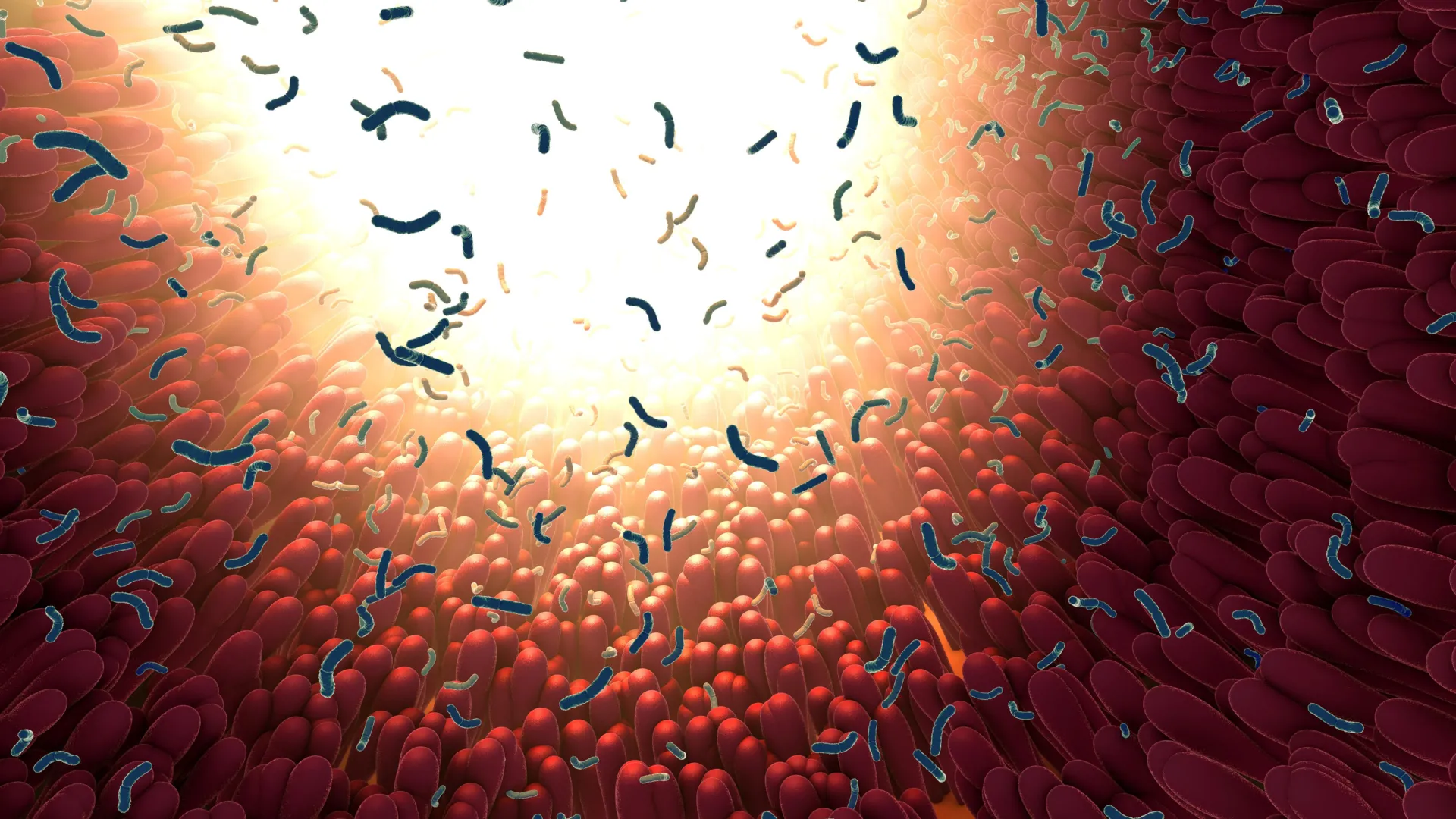
The human gut is home to an intricate ecosystem of trillions of microorganisms, collectively known as the gut microbiome. This vast community, comprising bacteria, viruses, fungi, and archaea, plays a pivotal role in numerous physiological processes far beyond mere digestion. These microscopic inhabitants are instrumental in breaking down complex carbohydrates that human enzymes cannot process, producing vital vitamins, synthesizing short-chain fatty acids (SCFAs) like butyrate, which nourish gut lining cells and exhibit anti-inflammatory properties. Furthermore, the gut microbiome profoundly influences immune system development and function, regulates metabolism, and even communicates with the brain via the "gut-brain axis," impacting mood and cognitive function. A balanced and diverse microbiome is increasingly recognized as a cornerstone of good health, while imbalances, or dysbiosis, have been implicated in a spectrum of conditions ranging from inflammatory bowel disease and irritable bowel syndrome to obesity, type 2 diabetes, and certain neurological disorders.
Despite the pervasive presence of sweeteners in modern diets, incorporated into everything from diet sodas and confectionery to breakfast cereals and even some medications designed to mask bitter tastes, surprisingly little research has directly investigated their specific interactions with individual components of this critical microbial ecosystem. Previous studies largely relied on animal models or broad population-level epidemiological analyses, which, while indicating a potential role for the microbiome in mediating sweetener effects, struggled to pinpoint the exact biological mechanisms at play. Professor Kiran Patil, a senior author from the Medical Research Council (MRC) Toxicology Unit at the University of Cambridge, highlighted this knowledge gap, emphasizing the difficulty in discerning whether sweeteners exert their influence through direct engagement with gut bacteria. Adding another layer of complexity, Dr. Sonja Blasche, a lead author also from the MRC Toxicology Unit, pointed out the practical reality that individuals rarely consume sweeteners in isolation; they are typically part of a larger matrix of foods, drinks, or medications.
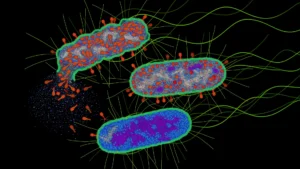
To address these critical questions, Dr. Blasche and her colleagues embarked on a meticulously designed study, published in the esteemed journal Molecular Systems Biology. Their initial approach involved isolating 25 distinct bacterial species commonly found in the human gut. This carefully selected panel represented a spectrum of microbial roles, including species generally considered beneficial, those deemed neutral, and others potentially associated with detrimental health outcomes. Each of these isolated bacterial cultures was then individually exposed to a panel of 39 commercially relevant sweeteners, encompassing both naturally derived compounds and synthetic varieties. The research team rigorously monitored the growth rate of each bacterial culture under these controlled conditions, specifically observing whether the presence of a sweetener inhibited, accelerated, or completely halted their proliferation.
The initial screening yielded striking results: approximately three-quarters of the tested sweeteners demonstrated a measurable impact on the growth dynamics of at least one bacterial species. Alarmingly, several of these sweeteners were found to significantly impede or entirely suppress the growth of certain bacterial species widely recognized for their contributions to a robust and healthy digestive system. These preliminary findings provided compelling evidence that many sweeteners are far from the biologically inactive substances they are often presumed to be, suggesting they do not merely pass through the digestive tract without engaging with its resident microbial inhabitants. This directly challenged the conventional understanding that these compounds simply provide sweetness without eliciting any physiological response from the body or its microbial partners.
Recognizing that the human consumption pattern of sweeteners rarely involves isolated ingestion, the researchers expanded their experimental design to simulate the intricate real-world context. They investigated how the effects of sweeteners might change when combined with other compounds commonly encountered in daily life. This included substances like caffeine, the vanilla flavoring agent vanillin, another artificial sweetener called advantame, and a selection of eight frequently prescribed medications. This phase of the study uncovered an astonishing array of interactions, identifying over 100 instances where the presence of a co-consumed compound significantly altered the sweetener’s effect on gut bacteria. In 34 cases, the combined effect was synergistically stronger, while in 68 cases, the interaction resulted in a weaker impact. These results underscored a crucial insight: the actual biological consequence of consuming a particular sweetener may be profoundly influenced by the other dietary or medicinal components present in the digestive environment at the same time.
Among the myriad combinations tested, one interaction stood out with particular potency: the pairing of isosteviol, a sweetener frequently utilized by the food and beverage industry, with duloxetine, a widely prescribed antidepressant medication. Duloxetine is a selective serotonin and norepinephrine reuptake inhibitor (SSNRI) used to treat major depressive disorder, generalized anxiety disorder, neuropathic pain, and fibromyalgia. Its widespread use is evident, with over 4.2 million prescriptions dispensed in the United States alone in 2023. When these two compounds were introduced together, they exhibited a dramatic and potent suppressive effect on the growth of two specific bacterial species: Roseburia intestinalis and Parabacteroides merdae. Both species are considered cornerstone members of a healthy gut microbiome. Roseburia intestinalis is a prominent butyrate-producing bacterium, crucial for maintaining gut barrier integrity and exhibiting anti-inflammatory effects. Parabacteroides merdae, while less understood than Roseburia, is also a common commensal often associated with metabolic health and contributing to the overall stability of the microbial community. The significant suppression of these vital microbes by the isosteviol-duloxetine combination raised immediate concerns about potential ramifications for individuals consuming both substances.
Moving beyond the examination of individual bacterial species, the Cambridge team recognized that the human gut functions as a dynamic and interconnected ecosystem. To better approximate these complex conditions, they constructed a simplified synthetic microbial community, comprising all 25 bacterial species initially studied. This allowed them to observe how the overall balance and diversity of a microbial community would respond to various combinations of sweeteners and drugs. After allowing the community to establish itself, they introduced different mixtures and meticulously tracked shifts in species abundance, identifying which populations thrived, which declined, and whether the community’s overall variety was maintained.
The results from the community-level experiments further amplified the concerns. The combination of isosteviol and duloxetine significantly reduced microbial diversity within the synthetic community. A higher degree of microbial diversity is generally considered a hallmark of a resilient and healthy gut microbiome, capable of adapting to various dietary and environmental challenges, although the optimal composition can vary between individuals. Beyond merely reducing diversity, this specific combination also fundamentally altered the internal equilibrium of the community, favoring the proliferation of some bacterial species while leading to the decline of others. Crucially, additional experiments conducted using host cell models indicated that these microbial shifts potentially increased toxicity toward certain host cells and also disrupted the activity of other cells involved in inflammation and immune responses. These findings collectively suggest that the interactions between sweeteners, medications, and the gut microbiome could extend their influence far beyond simple digestive processes, potentially impacting broader physiological systems. Dr. Blasche underscored this point, stating, "Sweeteners are often marketed as metabolically neutral, but our study challenges this idea. We found that they can directly affect gut bacteria, particularly when mixed with other compounds such as medication and food additives. These common combinations could have unintended effects on our gut microbiome."
Despite the compelling nature of these laboratory findings, the researchers prudently emphasized that these results should not be immediately extrapolated as definitive proof that sweeteners or their tested combinations cause harm in human beings. The experiments were meticulously conducted under controlled laboratory conditions, involving isolated bacteria and simplified cell models, which inherently differ from the intricate physiology of the human digestive system. In the complex environment of the human gut, sweeteners undergo various processes such as absorption, chemical alteration by host enzymes, dilution, and breakdown by the existing microbiome before reaching specific microbial targets. Furthermore, an individual’s unique dietary patterns, genetic predispositions, concurrent medication use, and the pre-existing composition of their gut microbiome could all profoundly influence the actual outcome of such interactions.
Professor Patil, the study’s senior author, reiterated this critical caveat, highlighting that future research must rigorously determine whether similar interactions occur in human subjects, what specific doses would be required to elicit such effects, and, most importantly, whether any observed microbial changes translate into measurable and clinically significant health consequences. "Our study suggests that artificial sweeteners don’t just pass through the body passively — they can interact with gut microbes, and these effects can be amplified or altered by other substances like medications. These findings can help guide new studies towards understanding how sweeteners might influence health in unexpected ways," he concluded. This seminal work provides a robust foundation for subsequent human-centric investigations, urging a more nuanced understanding of how ubiquitous dietary additives interact with our internal microbial landscape.
The research was made possible through funding provided by the European Union’s Horizon 2020 program and the UK Medical Research Council, underscoring the international significance and collaborative nature of this vital scientific inquiry.
About the Author