As individuals navigate the landscape of aging, the preservation of physical autonomy becomes increasingly paramount. Central to maintaining independence and quality of life is robust balance, a complex physiological attribute that profoundly influences nearly every movement undertaken daily, from the simple act of rising from a chair to traversing uneven terrain. While many may instinctively associate balance training with static endeavors, such as standing unsupported on one leg, contemporary fitness science and expert observation suggest a more integrated, dynamic methodology yields significantly superior results, particularly for adults over the age of 60. This nuanced understanding underscores that true stability in motion arises not from isolated holds, but from a synergistic strengthening of the entire kinetic chain and nervous system.
The deterioration of balance with advancing age is a multifaceted phenomenon, often stemming from a confluence of physiological changes. These include a natural decline in muscle mass and strength (sarcopenia), reduced joint flexibility and range of motion, diminished sensory input from the eyes and inner ear (vestibular system), and a slowing of neurological processing and reaction times. Collectively, these factors contribute to an elevated risk of falls, which represent a major public health concern for older adults. Falls can lead to serious injuries, including fractures, head trauma, and soft tissue damage, often precipitating a cascade of negative consequences such as reduced mobility, social isolation, and a pervasive fear of falling, which paradoxically further restricts physical activity and exacerbates balance issues. Therefore, proactive engagement in targeted physical activity is not merely beneficial; it is a critical investment in long-term health and self-sufficiency.
A prevalent misconception in balance training equates it to a singular, static skill. However, genuine postural control is an intricate interplay of several physiological components. It relies heavily on adequate lower-body strength, ensuring the muscles can generate sufficient force to counteract shifts in the center of gravity. Core stability provides a firm foundation, allowing for efficient transfer of force between the upper and lower body and maintaining spinal alignment. Ankle mobility and strength are crucial for reacting to subtle ground changes and preventing ankle roll-overs. Furthermore, coordination, or the ability of different body parts to work together smoothly and efficiently, is indispensable. Perhaps most critically, the nervous system’s role in processing sensory information (proprioception – the sense of body position, vision, and vestibular input) and rapidly initiating corrective muscular responses is foundational. When any of these elements are compromised, the entire system’s ability to maintain equilibrium suffers, highlighting why a holistic approach is indispensable.
Fitness professionals with extensive experience in geriatric populations consistently advocate for dynamic balance training over static exercises alone. The rationale is straightforward: everyday life demands dynamic stability. Walking, climbing stairs, reaching for objects, navigating crowded spaces, or recovering from a stumble all require the body to adjust and re-stabilize while in motion. Static exercises, while providing some benefit, do not fully prepare the body for these real-world challenges where the base of support is constantly shifting and external forces are at play. Dynamic movements, conversely, train the body to react more efficiently to changes in position, integrate strength with coordination, and engage multiple muscle groups and sensory systems simultaneously, thereby cultivating a more resilient and adaptable sense of balance. The resultant improvements extend beyond mere physical steadiness, fostering greater confidence and an enhanced sense of capability in navigating daily activities.
For adults over 60 seeking to significantly enhance their balance and mitigate fall risk, incorporating specific dynamic exercises into a consistent routine is highly recommended. These movements are designed to challenge the body in ways that mirror real-life situations, building functional strength and improving reactive balance. Here are four foundational exercises, celebrated by trainers for their efficacy in promoting comprehensive stability:
1. The Tandem Gait Walk (Heel-to-Toe Progression)
This exercise, often referred to as a "heel-to-toe walk," is an excellent drill for refining walking balance and coordination. Unlike simply standing on one leg, the tandem gait directly translates to the mechanics of walking, albeit in a more challenging, controlled manner. Each step intentionally narrows the individual’s base of support, compelling the ankles, hips, and core musculature to engage in coordinated action to maintain equilibrium. The deliberate placement of one foot directly in front of the other, with the heel of the leading foot touching the toes of the trailing foot, forces heightened awareness of body position and develops intricate control over micro-adjustments. This sustained challenge to stability during forward progression strengthens the intrinsic muscles of the foot and ankle, improves proprioceptive feedback, and sharpens neural pathways responsible for gait control. Individuals consistently practicing this movement often report notable improvements in their ability to walk confidently on varied surfaces, navigate tight spaces, and recover more effectively from minor stumbles, as the exercise inherently exposes and addresses subtle side-to-side weaknesses that might otherwise go unnoticed during regular ambulation.
2. Seated-to-Standing Transitions (Chair Squats)
The ability to smoothly transition from a seated to a standing position is a fundamental functional movement performed countless times throughout the day. This seemingly simple action, when performed correctly and repeatedly, is a powerhouse for building lower-body strength and core stability—two pillars of excellent balance. The "sit-to-stand" exercise effectively targets the quadriceps, glutes, and hamstrings, which are the primary movers responsible for supporting body weight and controlling movement during standing and walking. For many older adults experiencing balance difficulties, underlying lower-body weakness is a significant contributing factor. Each repetition of the seated-to-standing transition reinforces the muscular strength required not only for getting up from a chair but also for maintaining stability during walking, changing directions, and ascending or descending stairs. As these foundational muscle groups grow stronger, the effort required to maintain balance during dynamic activities diminishes, leading to a noticeable increase in stability and ease of movement. This exercise powerfully demonstrates the inseparable link between functional strength and enhanced balance.
3. Lateral Weight Transfers (Side-to-Side Shifts)
A substantial number of falls among older adults occur not during straightforward walking, but when shifting weight from one leg to the other, or when navigating obstacles that require lateral movement. Lateral weight transfers directly address this vulnerability by training the body to manage its center of gravity as it moves from side to side. This exercise systematically engages the hip abductor and adductor muscles, along with the core, in a coordinated effort to maintain stability during lateral displacements. By consciously shifting body weight from one leg to the other while maintaining an upright posture, individuals develop a more robust sense of control over their hips, knees, and ankles. This improved control is invaluable for real-world scenarios such as stepping sideways to avoid an obstacle, entering or exiting a vehicle, or simply maintaining balance while reaching for an item on a shelf. The gentle yet highly effective nature of lateral weight shifts makes them an excellent addition to any balance enhancement program, offering tangible improvements in dynamic stability and confidence in navigating environments that demand sideways adjustments.
4. Marching with Controlled Hold (Dynamic Single-Leg Stance)
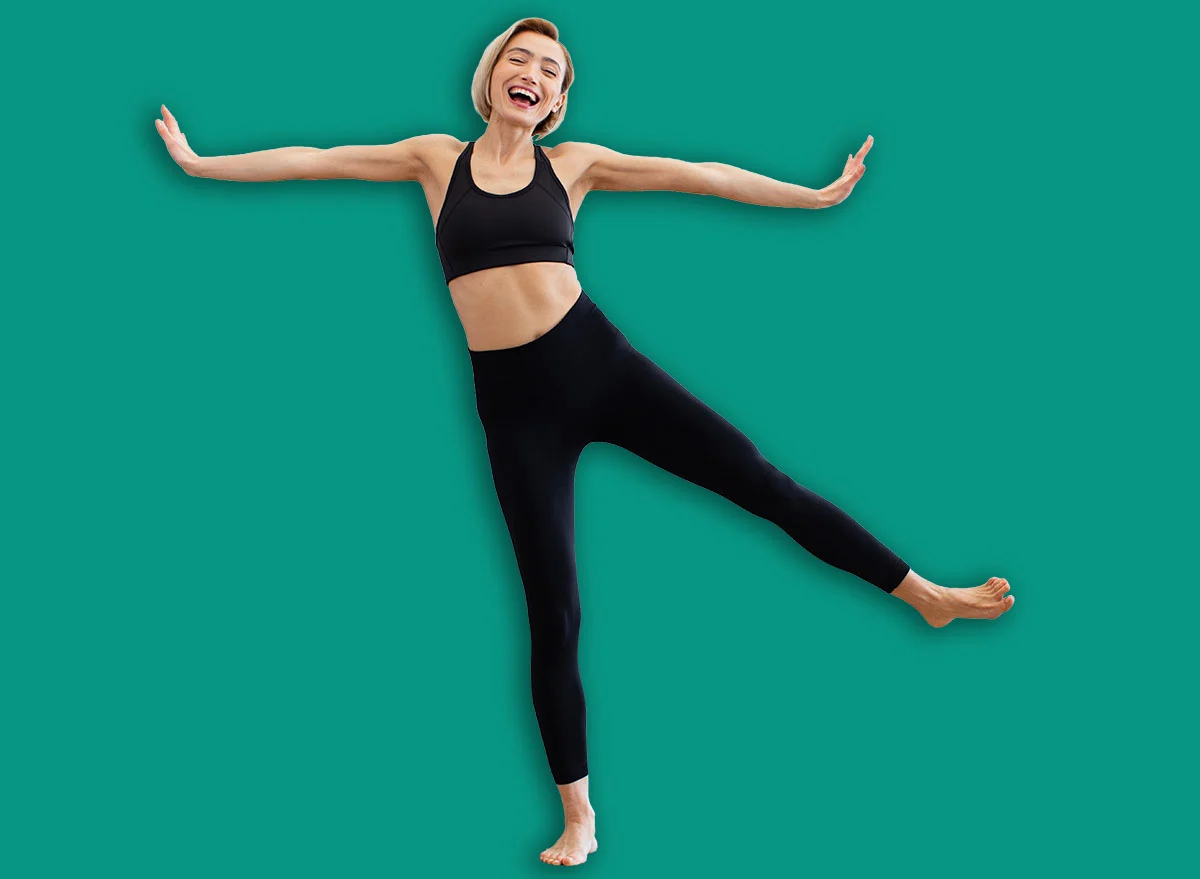
Concluding a balance routine with an exercise that integrates strength, coordination, and sustained stability offers a comprehensive challenge. The standing march with a brief pause effectively combines these elements. As one knee lifts, the entire body’s weight shifts onto the supporting leg, compelling the hip and core muscles on that side to engage intensely to maintain equilibrium. Unlike a purely static single-leg stand, this exercise involves a continuous cycle of shifting into and out of a balanced position, replicating the demands of walking. The momentary pause at the apex of the knee lift further enhances stability, forcing sustained muscular activation and neurological refinement. This repetitive action not only strengthens the muscles responsible for single-leg support but also sharpens the body’s ability to react quickly and fluidly to shifts in weight, which is paramount for smooth, confident strides, especially on uneven or unpredictable surfaces. Many individuals who incorporate this dynamic march into their daily regimen report feeling more grounded and secure during their everyday ambulation, underscoring the principle that balance improves most efficiently when challenged through purposeful movement.
In conclusion, achieving and maintaining optimal balance in later life is a critical determinant of ongoing independence and overall well-being. Moving beyond the confines of static balance exercises, a comprehensive strategy that prioritizes dynamic, functional movements offers a superior pathway to enhanced stability. By consistently integrating exercises such as the tandem gait walk, seated-to-standing transitions, lateral weight transfers, and marching with a controlled hold, individuals can systematically strengthen the intricate network of muscles, joints, and neurological pathways essential for robust equilibrium. This proactive approach not only significantly reduces the risk of falls and associated injuries but also cultivates a profound sense of physical confidence, empowering older adults to continue engaging fully and fearlessly with the world around them, ensuring a more active, independent, and fulfilling life.
About the Author