The global health community has marked a pivotal advancement in its ongoing battle against the formidable Bundibugyo ebolavirus (BDBV), with the World Health Organization (WHO) recently announcing the inclusion of the inaugural molecular diagnostic test for this specific pathogen on its Emergency Use Listing (EUL). This crucial development arrives as nations grapple with the most extensive recorded BDBV outbreak, a severe public health crisis demanding swift and accurate intervention. The newly endorsed assay is engineered to swiftly and precisely identify the virus by detecting its unique genetic blueprint within blood samples, promising to significantly enhance capacities for early case detection, facilitate timely clinical management, bolster surveillance efforts, and ultimately strengthen outbreak response mechanisms, particularly in resource-constrained settings.
Bundibugyo virus disease represents a severe and frequently fatal illness, caused by one of the three ebolavirus species recognized for triggering substantial human epidemics. This highly virulent pathogen has the capacity to transition from animal hosts to humans, subsequently spreading between individuals through direct contact with infected bodily fluids from sick or deceased persons, or by encountering surfaces and objects contaminated by these fluids. Symptoms typically manifest abruptly, encompassing fever, intense weakness, muscle pain, headaches, and a sore throat. As the disease progresses, patients may experience vomiting, diarrhea, rashes, impaired kidney and liver function, and, in some cases, both internal and external bleeding. The high fatality rate associated with BDBV underscores the urgent need for rapid diagnostic tools that can differentiate it from other febrile illnesses and enable immediate isolation and treatment protocols.
The current BDBV epidemic, predominantly affecting the Democratic Republic of the Congo (DRC) with documented cases also in neighboring Uganda, has escalated to unprecedented levels. As of recent reports, the DRC alone has confirmed over 1,400 laboratory-verified cases and tragically recorded 438 deaths. This alarming trajectory prompted the WHO Director-General, Dr. Tedros Adhanom Ghebreyesus, to declare a Public Health Emergency of International Concern (PHEIC) on May 17, 2026. A PHEIC declaration signifies an extraordinary event that poses a public health risk to other states through the international spread of disease and potentially requires a coordinated international response. This designation underscores the gravity of the Bundibugyo outbreak and signals a global call to action, mobilizing resources and attention to contain its spread and mitigate its impact. In the immediate aftermath of this declaration, the WHO promptly issued an appeal to manufacturers of in vitro diagnostics (IVDs) for BDBV, inviting submissions for consideration under its Emergency Use Listing procedure.
The EUL mechanism, a cornerstone of WHO’s efforts to enhance global health security, serves as a streamlined pathway for assessing the quality, safety, and performance of critical health products during public health emergencies. This rigorous evaluation process ensures that essential diagnostic tools, vaccines, and therapeutics meet stringent international standards, even under accelerated timelines. Critically, the EUL framework is specifically designed to address the unique needs and operational challenges faced by low- and middle-income countries, where access to cutting-edge medical technologies can often be limited. By pre-qualifying products through this list, the WHO not only validates their efficacy and reliability but also empowers United Nations procurement agencies and national governments to make informed decisions regarding their acquisition and deployment in urgent public health scenarios. This expedited process is vital in rapidly evolving outbreaks where delays in diagnosis can have catastrophic consequences for disease containment and patient outcomes.
Dr. Yukiko Nakatani, WHO Assistant Director-General for Health Systems, Access and Data, emphasized the dual imperative of speed and assurance in emergency responses. "Responding effectively to public health emergencies demands not only swift action but also unwavering confidence in the quality, safety, and performance of the health products deployed," Dr. Nakatani stated. "In the throes of a rapidly advancing outbreak, the ability to quickly access quality-assured diagnostic tests can be the decisive factor in curbing transmission. Through this Emergency Use Listing, the WHO is facilitating accelerated access for countries to trusted diagnostic instruments, enabling them to mount more effective responses." Her remarks underscore the strategic importance of the EUL program in bridging the gap between innovative health technologies and their urgent application in real-world crisis settings.
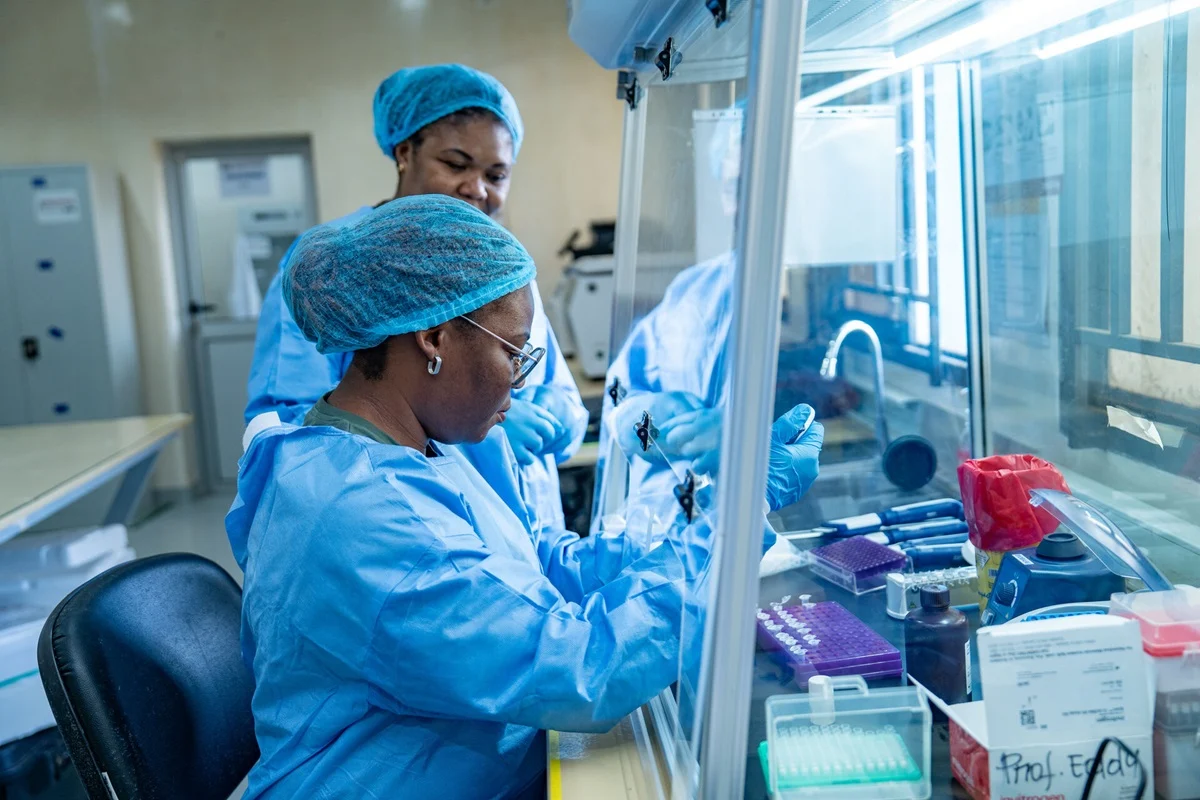
Prior to the current widespread BDBV outbreak, diagnostic capabilities in the affected regions were significantly constrained. Initial laboratory testing for Bundibugyo ebolavirus was largely concentrated in a limited number of specialized facilities, primarily the Institut National de Recherche Biomédicale (INRB) in Kinshasa and Goma. These sites collectively possessed an estimated daily testing capacity ranging from approximately 200 to 400 samples. Such limited infrastructure presented substantial challenges for comprehensive surveillance and rapid case identification across vast and often remote areas, hindering effective control measures. However, in a concerted effort to bolster diagnostic preparedness and response, the WHO, in collaboration with the Africa Centres for Disease Control and Prevention (Africa CDC), has been instrumental in dramatically expanding this capacity. Through sustained support and strategic partnerships, a broader network of 10 laboratories has been established across the affected provinces. This expanded infrastructure now boasts a reported daily testing capacity exceeding 2,000 samples, representing a multi-fold increase that significantly enhances the ability to monitor, detect, and respond to the outbreak more effectively. This scaling up of laboratory services is a critical component of the overall strategy to bring the BDBV epidemic under control.
The importance of rapid and reliable diagnostics cannot be overstated in the context of an Ebola outbreak. Early identification of infected individuals is paramount for several reasons: it allows for prompt isolation, preventing further transmission; it enables immediate initiation of supportive clinical care, improving patient outcomes; and it facilitates contact tracing efforts, which are crucial for breaking chains of infection. Without accurate and timely diagnostic tools, healthcare workers are forced to rely on clinical symptoms, which can be non-specific in the early stages of the disease, leading to misdiagnosis, delayed treatment, and continued spread. The availability of a WHO-listed molecular test thus provides a robust tool that can cut through diagnostic uncertainty, offering clarity and enabling decisive action in a high-stakes environment.
Beyond the immediate impact of the newly listed diagnostic test, the WHO remains deeply engaged with manufacturers, global partners, and affected nations to ensure broader availability and equitable access to a range of safe, effective, and quality-assured life-saving health products. The EUL procedure for BDBV IVDs is an ongoing process, with additional applications from manufacturers currently under rigorous review. This continuous evaluation ensures that the global health community benefits from the latest innovations and that a diverse portfolio of reliable diagnostic options becomes available.
In a parallel and equally vital initiative, the WHO and Africa CDC, alongside a consortium of esteemed partners including PATH, FIND, and CHAI, and with financial backing from Unitaid, are spearheading the establishment of a joint validation platform. This collaborative endeavor is specifically designed to rapidly evaluate the performance characteristics of a selection of diagnostic products in real-world outbreak settings. The platform’s scope extends to a variety of diagnostic modalities, encompassing laboratory-based molecular tests, near-point-of-care molecular tests that offer quicker results closer to the patient, and antigen rapid diagnostic tests, which provide swift, albeit sometimes less sensitive, screening capabilities. The primary objective of this platform is to generate critically needed clinical evidence on how these products perform under the challenging conditions inherent to outbreak environments. Such evidence is indispensable for guiding policy decisions, optimizing diagnostic algorithms, and ensuring that the most appropriate and effective tools are deployed where they are needed most.
The collective efforts to combat Bundibugyo virus disease exemplify the intricate web of scientific innovation, regulatory oversight, and international collaboration required to address global health threats. The listing of the first molecular diagnostic test for BDBV marks a significant milestone, offering renewed hope and a concrete tool in the fight against this deadly pathogen. It underscores the WHO’s unwavering commitment to leveraging science and partnerships to safeguard the well-being of populations worldwide, particularly in the face of emerging and re-emerging infectious diseases that continue to challenge humanity’s resilience. The ongoing work to expand testing capacities, evaluate new diagnostic technologies, and ensure equitable access to these vital tools remains a testament to the global health community’s dedication to preparedness and response.
About the Author