For decades, the final moments of a cell’s life, particularly through programmed cell death or apoptosis, were largely perceived as a relatively straightforward and somewhat haphazard process of cellular disintegration. This fundamental biological event, essential for development, tissue homeostasis, and the elimination of damaged or infected cells, was understood to involve the cell neatly packaging its contents for immune system disposal. However, groundbreaking research conducted by scientists at La Trobe University in Australia, published in the esteemed journal Nature Communications, has dramatically reshaped this understanding, revealing an intricate and previously unknown cellular choreography at the moment of demise. This discovery not only provides profound insights into the sophisticated mechanisms governing cellular breakdown and immune clearance but also uncovers a cunning strategy employed by viruses to evade detection and propagate infection.
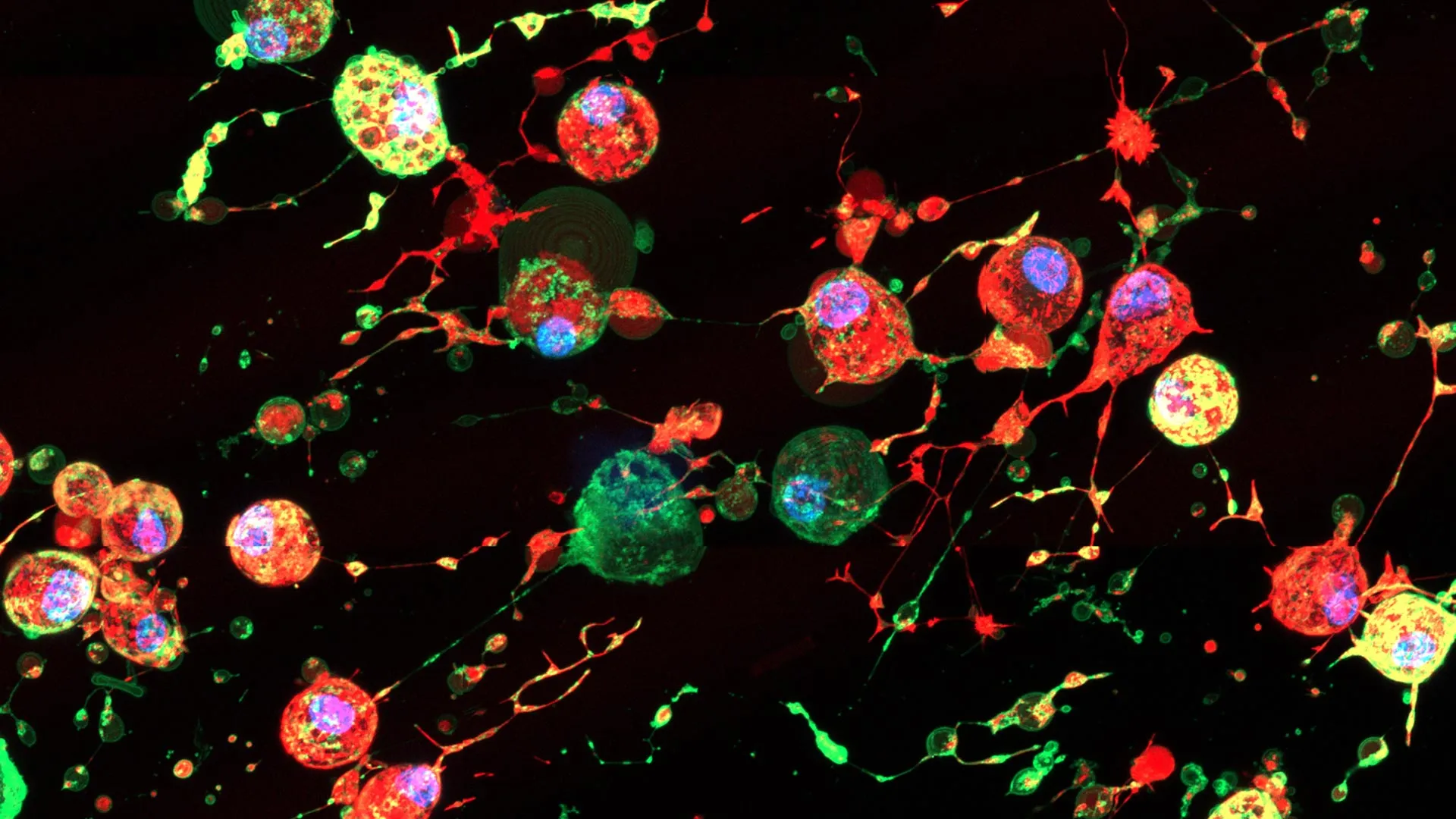
The study, spearheaded by PhD candidate Stephanie Rutter under the mentorship of Professor Ivan Poon at the La Trobe Institute for Molecular Science (LIMS), challenges the long-held simplistic view of cellular fragmentation during death. Instead, their findings illustrate a highly organized and pivotal sequence of events, where dying cells actively participate in orchestrating their own removal. As cells undergo apoptosis, they don’t simply dissolve into random fragments; rather, they execute a precise sequence of morphological transformations. These changes involve altering their physical conformation, detaching from their surrounding cellular matrix, and, crucially, leaving behind a specific molecular signature—a residual "footprint of death"—at their former location.
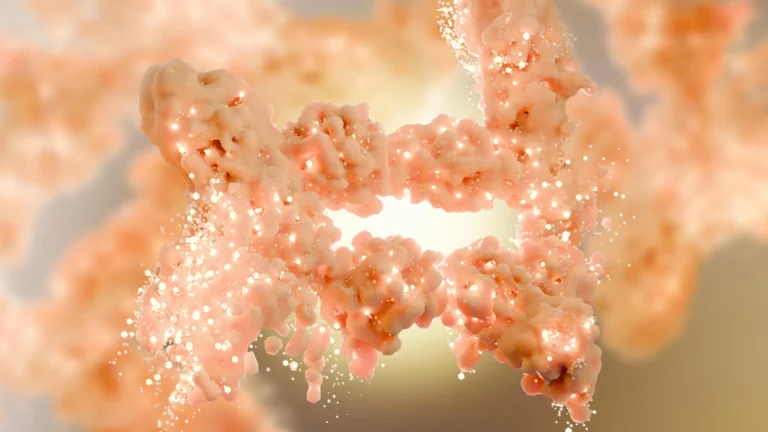
Within this cellular residue, the research team made their pivotal discovery: a novel category of Extracellular Vesicles (EVs). These microscopic lipid-bound particles, distinct from previously characterized EVs, have been named F-ApoEVs, short for "footprint-associated apoptotic extracellular vesicles." Extracellular vesicles themselves are well-established as critical mediators of intercellular communication, ferrying a diverse cargo of proteins, lipids, nucleic acids (DNA and RNA) between cells. They play multifaceted roles in physiological processes ranging from immune modulation to tissue repair and even cancer progression. However, F-ApoEVs represent a specialized subset, uniquely positioned at the site of cellular demise, acting as an eloquent signal to the body’s immune system.
The primary function identified for these F-ApoEVs is to serve as molecular "breadcrumb trails," guiding phagocytic immune cells—such as macrophages—to the precise location where a cell has perished. This targeted recruitment facilitates the efficient and swift removal of cellular debris, a process that is absolutely vital for maintaining tissue integrity and preventing detrimental inflammatory responses. When dead cells and their fragments linger in the body, they can trigger chronic inflammation, which is implicated in a vast array of pathologies, including autoimmune conditions like Systemic Lupus Erythematosus (SLE), where the immune system erroneously attacks healthy tissues. The rapid clearance orchestrated by F-ApoEVs thus emerges as a critical homeostatic mechanism, safeguarding against pathological inflammation and autoimmunity.
However, the team’s investigation unveiled an unexpected and unsettling twist: the very mechanism designed for efficient cleanup can be subverted by infectious agents. Through meticulous laboratory experiments involving cells infected with the influenza virus, researchers observed that viral particles were adept at co-opting these newly identified F-ApoEVs. Rather than being merely passive carriers of cellular debris, F-ApoEVs were found to encapsulate viral components, effectively becoming Trojan horses. This stealthy maneuver allows viruses to remain concealed within the body’s own natural disposal system, effectively hitching a ride inside these vesicles. By doing so, viral pathogens can potentially disseminate to adjacent healthy cells, shielded from immediate immune detection, thereby facilitating the propagation of infection throughout the host organism.
Professor Poon, who also serves as the Director of the Research Centre for Extracellular Vesicles (RCEV), underscored the profound implications of these findings for future therapeutic strategies. He emphasized that gaining a deeper understanding of such fundamental biological processes can unlock entirely new avenues for developing medical interventions. Currently, many treatments aim to directly target pathogens or modulate generalized immune responses. However, this discovery suggests the potential for therapies that specifically leverage or counteract these newly identified steps in cell death and clearance. Imagine interventions designed to enhance the immune system’s ability to clear F-ApoEVs containing viral cargo, or conversely, to block viruses from entering these vesicles in the first place.
The sheer scale of cellular turnover within the human body is staggering, with billions of cells undergoing programmed death daily as part of routine maintenance and in response to disease. The traditional paradigm, which viewed the fragmentation accompanying cell death as a largely random and unsophisticated event, now stands corrected. This research compellingly demonstrates the intricate complexity of apoptosis, highlighting how each sequential step is indispensable for the dying cell to break down effectively and for its remnants to be efficiently removed by the immune system. This newfound appreciation for the orchestration of cellular demise offers a richer understanding of not just normal physiological processes but also the aberrant mechanisms at play in various disease states.
Stephanie Rutter, the lead researcher, highlighted the critical role of intercellular communication and the cunning ways pathogens can manipulate these biological systems for their own survival and spread. Her observations confirmed that F-ApoEVs are indeed readily cleared from the site of cell death, reinforcing their role in preventing inflammation and autoimmune responses. The unexpected revelation was the ingenious strategy employed by viruses to exploit this very process, turning a vital cleanup mechanism into a covert transport system for infectious spread.
The collaborative nature of this groundbreaking work involved scientists from various departments within La Trobe University, including LIMS, RCEV, and the School of Agriculture, Biomedicine and Environment (SABE). Crucially, the project also benefited from partnerships with researchers at the Walter and Eliza Hall Institute of Medical Research (WEHI) in Australia and Toronto Metropolitan University in Canada, illustrating the power of inter-institutional cooperation in advancing scientific knowledge. Dr. Georgia Atkin-Smith, a study co-leader from WEHI, further emphasized the significance of understanding how dying cells communicate with the immune system, given the pervasive role of cell death across a spectrum of diseases. Her insight that "dying cells can continue to communicate from the grave" powerfully encapsulates the novel finding that cellular activity doesn’t simply cease upon death but rather initiates a new phase of critical signaling.
This paradigm-shifting research holds immense promise for improving our comprehension of both infectious diseases and chronic autoimmune disorders. By delving deeper into the intricate cascade of events following cellular death, scientists hope to unravel novel therapeutic targets. For instance, understanding how viruses commandeer F-ApoEVs could lead to antiviral strategies that specifically disrupt this mode of dissemination. Conversely, a clearer picture of F-ApoEVs’ role in immune clearance could inform approaches to enhance the removal of pathological debris in autoimmune diseases, thereby mitigating inflammation and disease progression. The more scientists uncover about the life and death of cells, the more sophisticated and targeted our future medical interventions can become, ultimately leading to improved patient outcomes across a wide range of human afflictions.
About the Author