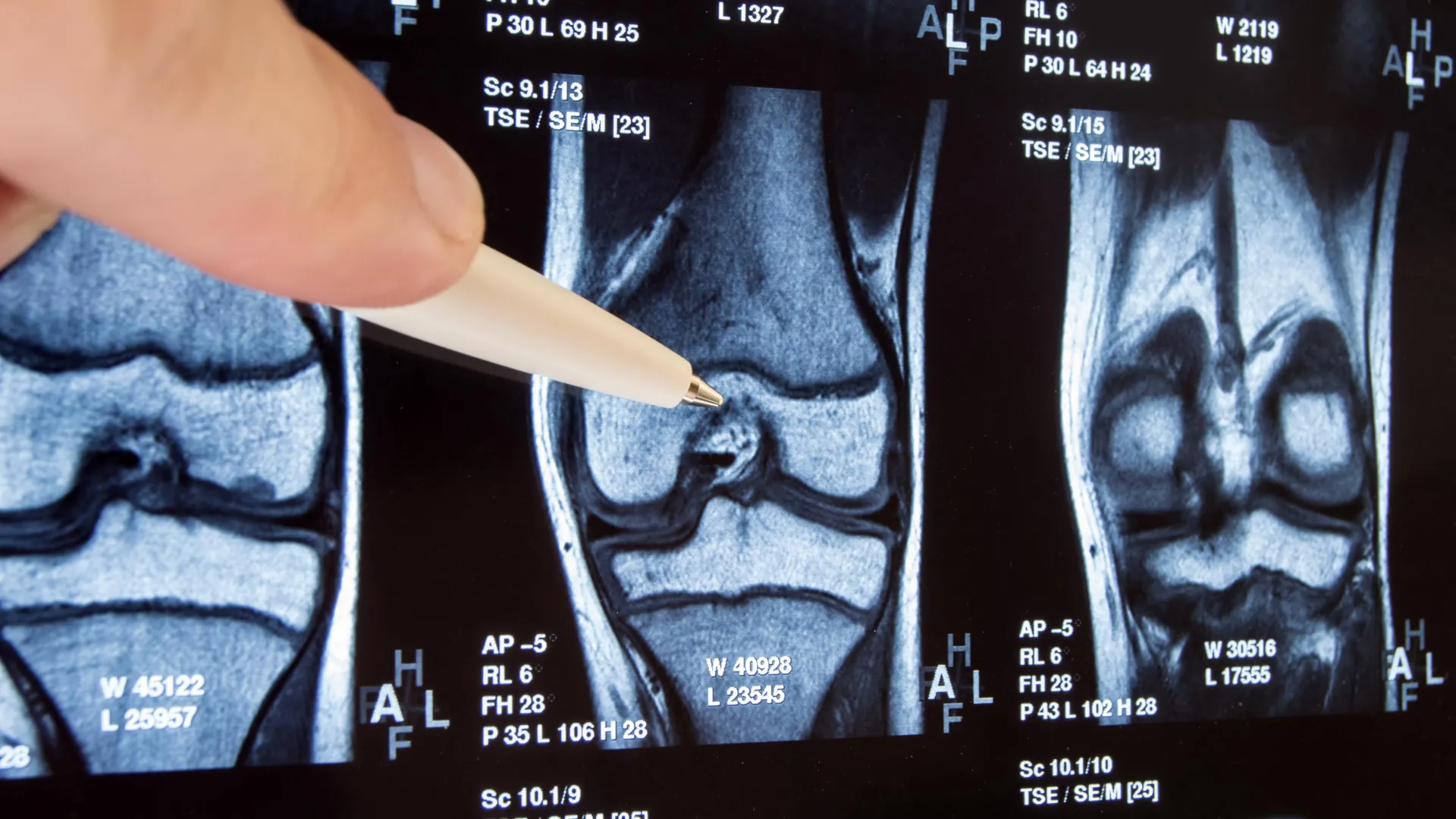
A cornerstone of orthopedic intervention, the partial meniscectomy, a surgical procedure involving the trimming of damaged meniscal cartilage in the knee, has been subjected to intense scrutiny, with a landmark decade-long investigation concluding that it offers no discernible advantage over a placebo intervention and, in some cases, may lead to diminished long-term outcomes. This extensive study, conducted over ten years, tracked patients who underwent either the actual surgical procedure or a sham operation designed to mimic the surgical experience without the meniscal resection. The findings challenge long-held clinical assumptions and suggest a significant re-evaluation of this commonly performed surgery is warranted across the global medical community.
The partial meniscectomy has historically been one of the most frequently executed orthopedic operations worldwide, serving as a standard treatment for degenerative meniscal tears, a condition often associated with knee pain, particularly on the medial (inner) aspect of the joint. Despite a noticeable decline in its utilization in certain regions like Finland in recent years, the procedure continues to be a routine surgical option in numerous countries, reflecting a persistent reliance on established practices even in the face of evolving scientific evidence.
The ten-year follow-up data from the Finnish Degenerative Meniscal Lesion Study (FIDELITY) presents a stark and concerning picture of the long-term consequences associated with this surgery. Patients who received the partial meniscectomy did not report superior outcomes or improved knee function when compared to their counterparts who underwent the sham surgery. Instead, the data indicates a trend towards less favorable results in the surgical group. Over the course of a decade, individuals who had the meniscectomy experienced a greater burden of knee symptoms and exhibited a decline in overall knee function. Furthermore, these patients demonstrated a more pronounced progression of osteoarthritis, the degenerative joint disease characterized by cartilage breakdown, and were more likely to require subsequent surgical interventions for their knee condition compared to those who received the placebo.
A key factor contributing to the robustness and credibility of the FIDELITY study’s conclusions is its meticulously designed methodology, which incorporated a crucial sham surgery control group. This innovative trial design enabled researchers to establish a direct and scientifically rigorous comparison between the effects of the actual surgical intervention and a simulated procedure. Participants diagnosed with degenerative meniscal tears were randomly allocated to either the partial meniscectomy group or the sham surgery group. Their subsequent health status, symptoms, and functional capacity were then systematically monitored for a full ten years, providing an unparalleled depth of longitudinal data.
Professor Teppo Järvinen from the University of Helsinki, who served as the principal investigator for the FIDELITY study, underscored the profound implications of these findings, characterizing them as a potential instance of "medical reversal." This term describes a scenario where a widely adopted therapeutic practice, once believed to be beneficial, is subsequently demonstrated to be either ineffective or even detrimental to patient well-being. The study’s results strongly suggest that partial meniscectomy may fall into this category, prompting a critical reassessment of its place in clinical practice.
The underlying rationale for performing partial meniscectomies has traditionally been rooted in the assumption that knee pain, particularly when localized to the inner side of the knee, is directly attributable to a torn meniscus that can be effectively repaired or ameliorated through surgical intervention. However, the FIDELITY study’s findings cast significant doubt on the validity of this fundamental premise. As Raine Sihvonen, a Specialist in Orthopaedics and Traumatology and a co-principal investigator of FIDELITY, explained, "The surgery is based on the assumption that pain in the inside of the knee is caused by a medial meniscus tear, which can be treated surgically. Such reasoning — assumption based on biological credibility — is still very common in medicine but in this case, the assumption does not withstand critical examination." Current scientific understanding increasingly points towards degenerative processes, often associated with aging, as the primary driver of joint pain in many individuals, including those experiencing knee discomfort. This paradigm shift suggests that the focus may need to move away from surgical correction of perceived mechanical issues and towards addressing the underlying degenerative changes.
Concerns regarding the potential risks and long-term adverse effects associated with partial meniscectomy are not entirely new, having been foreshadowed by earlier research. Prior registry studies and observational analyses had already flagged potential downsides, including an elevated probability of requiring arthroplasty, commonly known as knee replacement surgery, at a later stage. Additionally, these earlier studies suggested a possible increase in post-operative complications following the procedure. However, the inherent limitations of observational data, which can identify associations but not definitively establish causality, meant that these concerns remained largely unconfirmed by high-level evidence.
Dr. Roope Kalske, a Doctoral Researcher and Specialist in Orthopaedics and Traumatology, highlighted the consistency of findings across multiple studies, stating, "Several randomized studies have already demonstrated that partial meniscectomy has not improved patients’ symptoms or function in the short (1-2 years) or medium (5 years) term. Regardless, the procedure has remained widely used in many countries." This observation points to a persistent disconnect between emerging scientific evidence and established clinical practice, where the widespread adoption of a procedure often outpaces its critical re-evaluation.
The continued widespread utilization of partial meniscectomy, despite a growing body of evidence questioning its efficacy, is a complex issue influenced by various factors, including inertia in clinical practice, patient expectations, and the historical reliance on surgical interventions. For nearly a decade, numerous independent organizations dedicated to developing clinical guidelines have advocated for the discontinuation of this procedure, citing its lack of proven benefit. Nevertheless, prominent professional bodies such as the American Academy of Orthopedic Surgeons (AAOS) and the British Association for Surgery of the Knee (BASK) have continued to endorse its use. This discrepancy underscores the significant challenges in modifying established medical practices and moving away from therapies that, while historically prevalent, are now understood to be inefficient.
The FIDELITY study’s success is a testament to strong collaborative efforts and the dedicated commitment of its participants. The research was successfully conducted across five distinct hospital settings, demonstrating effective inter-institutional cooperation. Remarkably, more than 90% of the original 146 participants completed the final follow-up phase of the study, a high retention rate that significantly bolsters the reliability and generalizability of the findings. Pirjo Toivonen, the research manager, emphasized the smooth multicenter collaboration and the profound commitment demonstrated by the research patients, who actively engaged with the project over its extended duration.
The Finnish Degenerative Meniscal Lesion Study (FIDELITY) is an integral part of the broader research initiatives undertaken by the FICEBO research group, which focuses on evaluating the impact and efficacy of various surgical therapies. This comprehensive project represents a collaborative endeavor involving university hospitals in Helsinki, Kuopio, and Turku, alongside Hatanpää Hospital in Tampere, Hospital Nova in Jyväskylä, and the Finnish Institute for Health and Welfare. The collective expertise and resources brought together by these institutions have been instrumental in advancing our understanding of musculoskeletal interventions and promoting evidence-based medicine.
About the Author