A groundbreaking investigation conducted by researchers at Harvard Medical School has uncovered a sophisticated biological mechanism that establishes a direct, mechanistic connection between a common gut bacterium, a pervasive environmental chemical, and the intricate pathways leading to neuroinflammation implicated in major depressive disorder. This discovery profoundly reshapes the understanding of how external factors and internal microbial ecosystems can converge to influence mental health, providing a clearer etiological framework for certain forms of depression. For years, the scientific community has increasingly recognized the profound influence of the human gut microbiome on systemic health, including its complex interactions with the central nervous system. However, the precise molecular dialogues and specific microbial agents responsible for mediating these effects, particularly in the context of neuropsychiatric conditions, have remained largely elusive.
The human gut, a bustling ecosystem teeming with trillions of microorganisms, plays a pivotal role in nutrient metabolism, immune system modulation, and even neurodevelopment. The concept of the "gut-brain axis"—a bidirectional communication network linking the gastrointestinal tract and the brain—has transitioned from a speculative hypothesis to a robust field of scientific inquiry. This axis involves multiple pathways, including the vagus nerve, endocrine signaling, and the production of neuroactive metabolites by gut microbes. Disturbances within this delicate microbial balance, often termed dysbiosis, have been correlated with a spectrum of conditions, ranging from autoimmune disorders to various mood and neurological afflictions. Yet, elucidating the exact bacterial species involved and the specific biochemical processes by which they exert their influence has posed a formidable challenge.
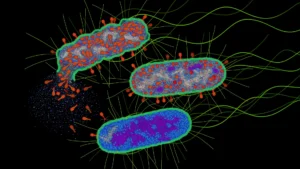
Among the myriad inhabitants of the human gut, one particular bacterium, Morganella morganii, has repeatedly surfaced in epidemiological and clinical studies due to its observed association with major depressive disorder (MDD). Despite these consistent correlations, a critical ambiguity persisted: was M. morganii a direct contributor to the pathology of depression, or did the physiological changes accompanying depression merely alter the gut environment, favoring the proliferation of this microbe? Alternatively, could a third, confounding factor explain the observed relationship? The recent findings from the Harvard Medical School team, published in the Journal of the American Chemical Society, now provide compelling evidence supporting the bacterium’s active role, offering a precise molecular narrative for its involvement.
The research illuminates a novel pathway involving an ubiquitous environmental chemical, diethanolamine (DEA), which, when incorporated into a molecule produced by M. morganii, transforms it from a benign compound into a potent activator of the immune system. This unexpected metabolic alteration then triggers a cascade of inflammatory responses within the body, a process increasingly recognized as a significant contributor to the pathophysiology of depression. This groundbreaking revelation not only offers a concrete explanation for how M. morganii might influence brain health but also provides a versatile experimental paradigm for deciphering the complex interplay between environmental exposures, microbial metabolism, and human physiology.
Diethanolamine (DEA) is a chemical compound with widespread applications, frequently encountered in industrial processes, agricultural chemicals, and numerous consumer products, including cosmetics, soaps, and cleaning agents. Its pervasive presence means that human exposure is common, albeit often at low concentrations. Scientists have previously acknowledged that environmental micropollutants can be integrated into the body’s fatty molecules, but the precise mechanisms of such incorporation and their subsequent biological consequences have remained largely unexplored. The Harvard study dramatically advances this understanding by demonstrating that DEA can be metabolically hijacked by M. morganii. Specifically, the bacterium typically synthesizes a lipid-like molecule containing a sugar alcohol. However, in the presence of DEA, the bacterium incorporates this environmental contaminant, substituting the natural sugar alcohol with DEA. This seemingly minor structural modification has profound immunological implications.
The altered molecule, now containing DEA, behaves fundamentally differently from its harmless predecessor. It ceases to be inert and instead acquires characteristics akin to cardiolipins—a class of phospholipids primarily found in the inner mitochondrial membrane, known for their critical roles in cellular energy production. Crucially, cardiolipins have also been identified as potent signaling molecules capable of stimulating cytokine release and activating innate immune responses. The newly identified DEA-modified bacterial molecule mimics this pro-inflammatory capacity, effectively "tricking" the host immune system. Upon encountering this altered compound, the body’s immune cells recognize it as a danger signal, initiating an inflammatory cascade. This activation leads to the robust secretion of inflammatory proteins, particularly interleukin-6 (IL-6).
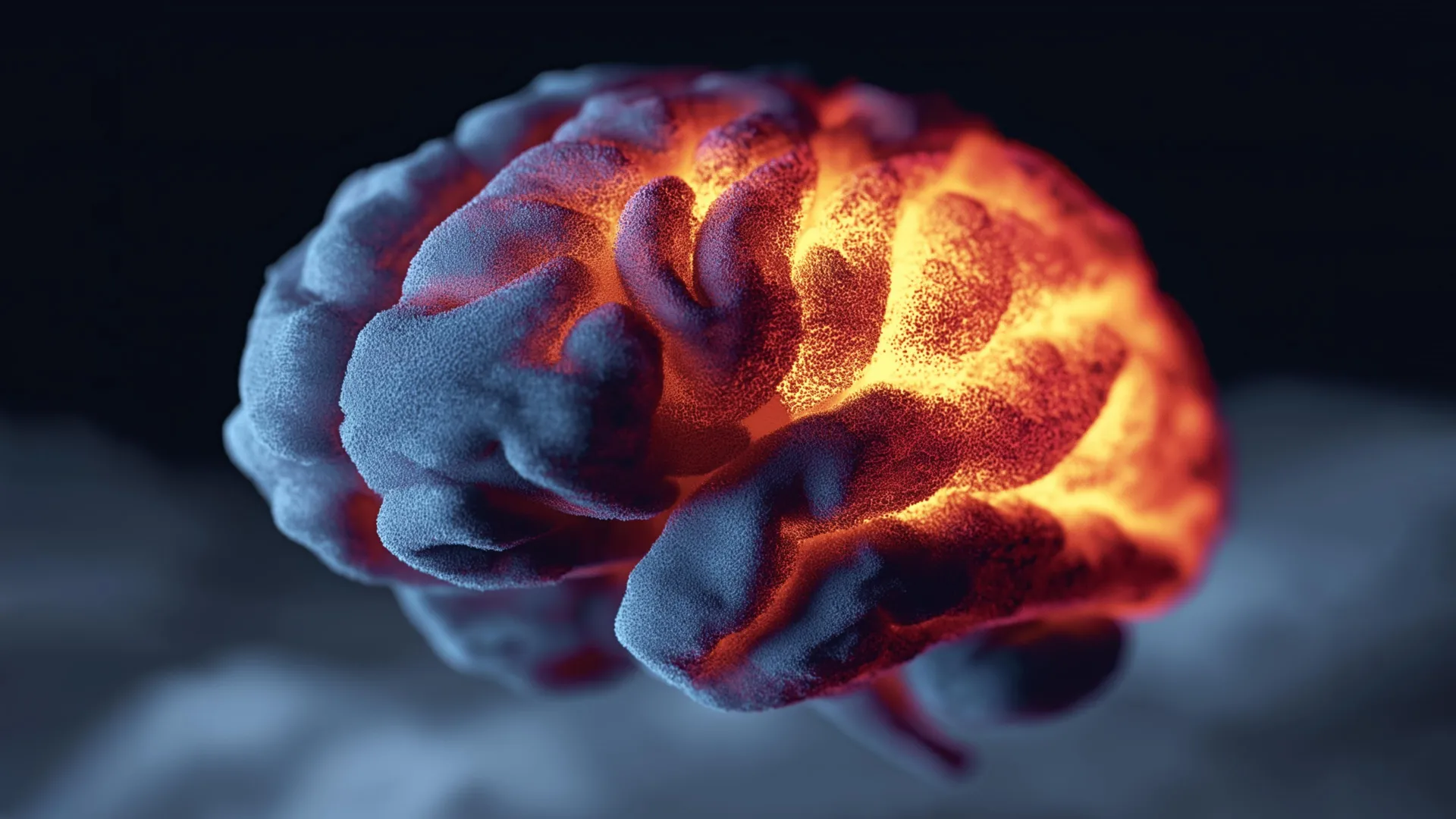
The elevation of pro-inflammatory cytokines like IL-6 is a well-established hallmark of chronic inflammation, a condition implicated in a vast array of diseases, including cardiovascular disorders, autoimmune conditions, and various metabolic syndromes like type 2 diabetes and inflammatory bowel disease (IBD). Significantly, accumulating evidence strongly links chronic systemic inflammation, and particularly neuroinflammation within the brain, to the development and persistence of major depressive disorder. Previous research had already established correlations between elevated IL-6 levels and depressive symptoms, and M. morganii itself had been associated with inflammatory conditions such as IBD and type 2 diabetes, further buttressing the plausibility of this newly discovered pathway. This intricate sequence of events—from environmental contaminant uptake by a gut bacterium, through molecular alteration, to immune system activation and cytokine release—provides a compelling and coherent explanation for the previously enigmatic link between M. morganii and depression.
The implications of this discovery extend far beyond merely elucidating a biological mechanism. The identification of DEA’s role and the subsequent generation of an immunogenic bacterial metabolite open promising avenues for both diagnosis and therapeutic intervention in specific subsets of depressive disorders. The researchers propose that the presence of the DEA-modified molecule, or perhaps even DEA itself, could serve as a novel biomarker. This biomarker could aid in identifying individuals whose depression is driven or exacerbated by this specific microbial-environmental interaction, allowing for more precise diagnostic stratification within the heterogeneous landscape of MDD. Such precision diagnostics are critical, as they pave the way for more personalized and effective treatment strategies.
Furthermore, the findings lend substantial weight to the emerging concept that certain forms of depression may fundamentally involve dysregulation of the immune system. This paradigm shift suggests that treatments targeting immune responses, rather than solely neurotransmitter pathways, could be highly effective for these specific patients. Immune-modulating drugs, which aim to temper or redirect inflammatory processes, represent a novel therapeutic class with the potential to offer relief to individuals unresponsive to conventional antidepressant medications. This research thus champions a move towards an immunopsychiatry approach for a subset of MDD patients, highlighting the need for a holistic view of mental health that integrates microbial, environmental, and immunological factors.
More broadly, this study offers a foundational framework for future investigations into how other bacterial molecules, especially those interacting with environmental contaminants or host-derived compounds, can modulate human immune function and other biological systems. The senior author, Jon Clardy, the Christopher T. Walsh, PhD Professor of Biological Chemistry and Molecular Pharmacology in the Blavatnik Institute at HMS, emphasized this broader utility, stating, "Now that we know what we’re looking for, I think we can start surveying other bacteria to see whether they do similar chemistry and begin to find other examples of how metabolites can affect us." This perspective suggests that the current discovery might be just one instance within a larger universe of microbial-environmental interactions with profound implications for human health, potentially influencing conditions beyond depression.
This significant breakthrough was the result of a synergistic collaboration between two distinct but complementary research groups at Harvard Medical School. The Clardy Lab specializes in the intricate chemistry of small molecules produced by bacteria, meticulously unraveling their structures and functions. Concurrently, the lab of Ramnik Xavier, the HMS Kurt J. Isselbacher Professor of Medicine at Massachusetts General Hospital, focuses on understanding the molecular mechanisms by which the microbiome influences health and disease, particularly concerning immunology. The convergence of these specialized expertises—chemical biology and molecular immunology—was indispensable for tracing the complex journey from an environmental chemical to a specific bacterial metabolite and, finally, to its immunological and neurological consequences. This interdisciplinary approach exemplifies the future of biomedical research, where complex biological puzzles necessitate insights from diverse scientific domains.
Future research endeavors will likely focus on validating these findings in human cohorts, assessing the prevalence of the DEA-modified M. morganii metabolite in patients with depression, and exploring whether reducing exposure to DEA or targeting the specific inflammatory pathways activated by the altered molecule could ameliorate depressive symptoms. The journey from correlation to causation, and subsequently to therapeutic innovation, is long, but this pivotal study marks a profound step forward in unraveling the hidden connections between our environment, our microbial residents, and the intricate workings of the human mind.
This work was generously supported by funding from the National Institutes of Health (grant R01AI172147) and The Leona M. and Harry B. Helmsley Charitable Trust (2023A004123), with additional acknowledgment of support from various HMS core facilities. The co-first authors of the study were Sunghee Bang and Yern-Hyerk Shin, alongside additional contributors Sung-Moo Park, Lei Deng, R. Thomas Williamson, and Daniel B. Graham. Co-author Ramnik Xavier also holds significant roles at the Broad Institute of MIT and Harvard, including core institute membership, directing the Klarman Cell Observatory and Immunology Program, and co-directing the Infectious Disease and Microbiome Program.
About the Author