Cellular Acidity Regulator, TMEM175, Unveiled as Potential Parkinson’s Therapeutic Target.
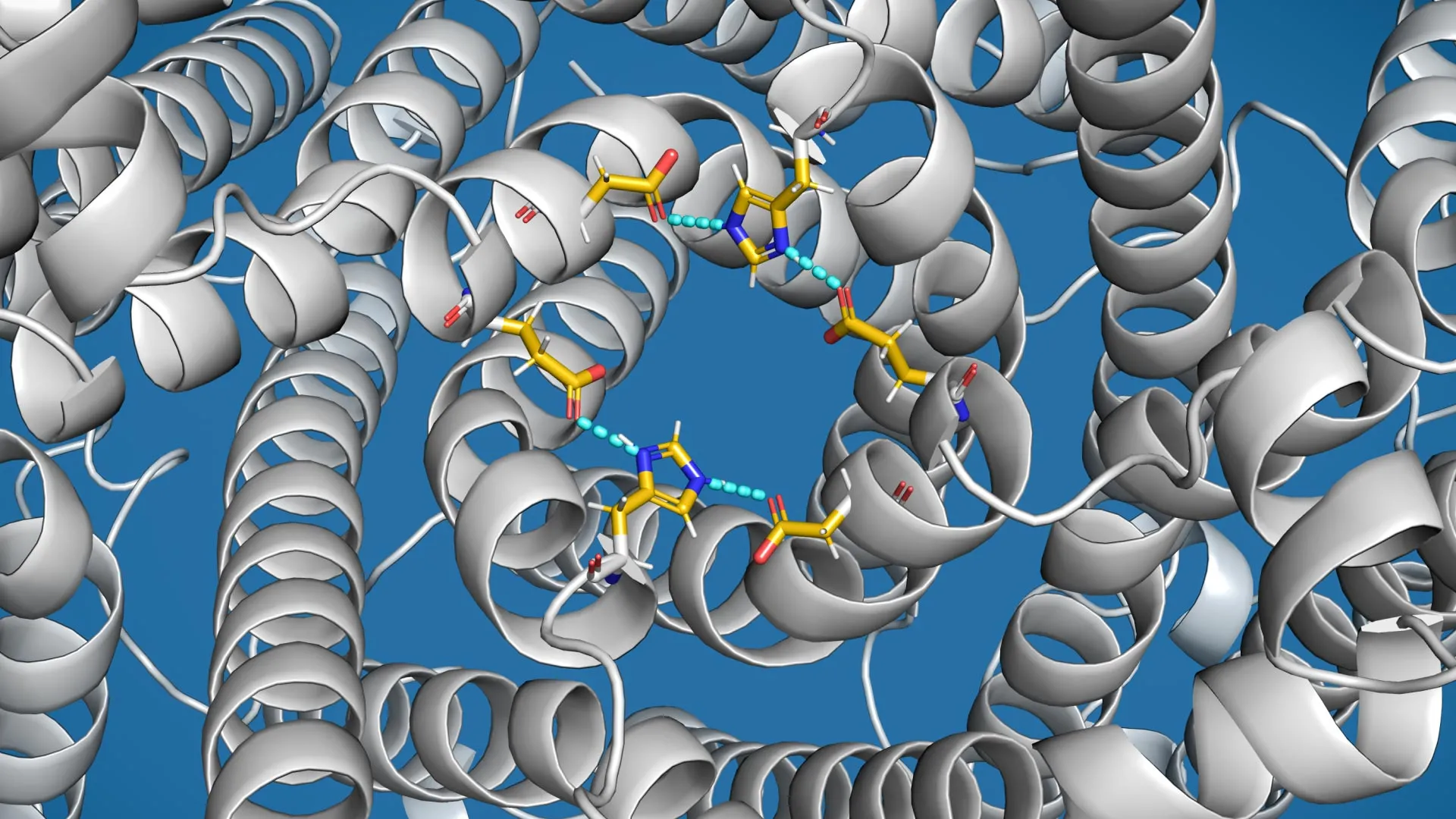
A groundbreaking revelation from a consortium of European research institutions has illuminated the intricate workings of a cellular component long shrouded in mystery, offering a significant new avenue for understanding and potentially treating Parkinson’s disease. Scientists have definitively characterized the TMEM175 protein, an ion channel situated within the delicate membranes of lysosomes, as a critical regulator of cellular acidity, a function intimately linked to the degenerative processes observed in this debilitating neurological condition. This discovery, meticulously detailed in the latest issue of the prestigious journal Proceedings of the National Academy of Sciences (PNAS), provides a compelling explanation for how cells manage their internal pH balance and highlights TMEM175’s pivotal role in preventing the accumulation of toxic cellular byproducts.
Lysosomes, often described as the cell’s internal waste disposal and recycling units, are vital organelles responsible for breaking down cellular debris, damaged proteins, and other waste materials. This complex degradative process relies heavily on a highly acidic internal environment, a specific pH range that facilitates the enzymatic activity required for efficient breakdown. The maintenance of this precise acidity is a tightly controlled cellular operation, primarily orchestrated by proton pumps that actively transport hydrogen ions into the lysosome. However, the delicate equilibrium within these organelles is not solely dependent on these pumps; a sophisticated network of accessory proteins embedded within the lysosomal membrane also plays a crucial role in fine-tuning and stabilizing the internal pH. The recent research firmly places TMEM175 within this critical regulatory network, suggesting it acts as a sophisticated pH sensor and modulator.
The long-standing enigma surrounding TMEM175, a transmembrane protein whose function remained elusive for years, has finally begun to unravel. Initially identified by its gene name, TMEM175 (transmembrane protein 175), its precise cellular location and operational purpose were subjects of intense scientific debate. However, as research into the molecular underpinnings of neurodegenerative diseases like Parkinson’s gained momentum, evidence began to accumulate, hinting at a connection between TMEM175 and cellular dysfunction in these conditions. This growing body of indirect evidence spurred dedicated investigations aimed at deciphering its true biological role.
The current study, a collaborative effort involving researchers from Bonn-Rhein-Sieg University of Applied Sciences (H-BRS), LMU Munich, TU Darmstadt, and Nanion Technologies, spearheaded by Professor Christian Grimm (LMU Munich) and Dr. Oliver Rauh (H-BRS), has provided definitive answers. Their meticulous experiments have established that TMEM175 is not merely a passive component of the lysosomal membrane but an active ion channel capable of transporting both potassium ions and, crucially, protons. This dual transport capability positions TMEM175 as a key player in the dynamic regulation of lysosomal acidity.
The concept of an "overflow valve" aptly describes TMEM175’s apparent function. In a healthy cellular environment, the lysosome’s internal pH is maintained within a narrow, optimal range for waste degradation. The proton pumps work diligently to acidify the lysosome, but under certain conditions, such as an excessive influx of protons or a disruption in the pump’s activity, the internal acidity could become dangerously high. Researchers propose that TMEM175 intervenes in such scenarios, acting to alleviate this excessive acidity. By selectively allowing the outward flow of protons or regulating their inward movement, TMEM175 acts as a safety mechanism, preventing the lysosome from becoming overly acidic and thereby protecting the integrity of the organelle and its contents.
This protective mechanism is particularly relevant to neurodegenerative diseases like Parkinson’s, where the accumulation of misfolded and aggregated proteins, such as alpha-synuclein, is a hallmark pathology. The efficient degradation of these aberrant proteins within lysosomes is essential for neuronal health. When lysosomal function is compromised, perhaps due to a malfunctioning TMEM175 channel that fails to maintain optimal acidity, the cell’s ability to clear these toxic protein aggregates is severely hampered. This failure in waste management can lead to cellular stress, damage, and ultimately, the death of vulnerable neurons, particularly dopaminergic neurons in the substantia nigra, which are critically affected in Parkinson’s disease.
The research team employed sophisticated experimental techniques, including the patch clamp method, a highly sensitive technique for measuring electrical currents across cell membranes, to meticulously characterize TMEM175’s behavior. By analyzing the ion flow through the channel under various conditions, they were able to demonstrate its remarkable ability to sense changes in proton concentration and dynamically adjust its conductivity. This suggests that TMEM175 acts as a sophisticated pH sensor, responding to fluctuations in lysosomal acidity and modulating proton transport accordingly to maintain a stable internal environment.
The implications of these findings are profound and extend beyond a fundamental understanding of cellular biology. The identification of TMEM175 as a critical regulator of lysosomal pH and its direct link to Parkinson’s disease opens up exciting possibilities for therapeutic intervention. If a malfunctioning TMEM175 channel contributes to the pathogenesis of Parkinson’s by impairing waste clearance and promoting cellular toxicity, then modulating its activity could offer a novel therapeutic strategy. Pharmaceutical development efforts could now focus on designing drugs that either enhance the function of a compromised TMEM175 channel or restore its proper regulation, thereby improving the lysosome’s ability to clear toxic protein aggregates and protect neurons.
The journey to fully understand TMEM175 has been a long one, spanning years of dedicated research and persistent scientific inquiry. Its initial obscurity and the subsequent debate surrounding its transport properties underscore the challenges inherent in deciphering the functions of complex cellular machinery. However, the current breakthrough represents a significant leap forward, transforming TMEM175 from a molecular enigma into a tangible therapeutic target. The authors of the study express optimism that their findings will not only deepen our comprehension of lysosomal biology and the intricate mechanisms governing cellular pH but also pave the way for the development of much-needed treatments for neurodegenerative disorders. This research serves as a powerful testament to the value of fundamental scientific investigation in addressing some of humanity’s most pressing health challenges.
Related posts:

Related News