Reclaiming Midlife Core Strength: Five Chair-Based Exercises for Enhanced Stability and Posture After 55
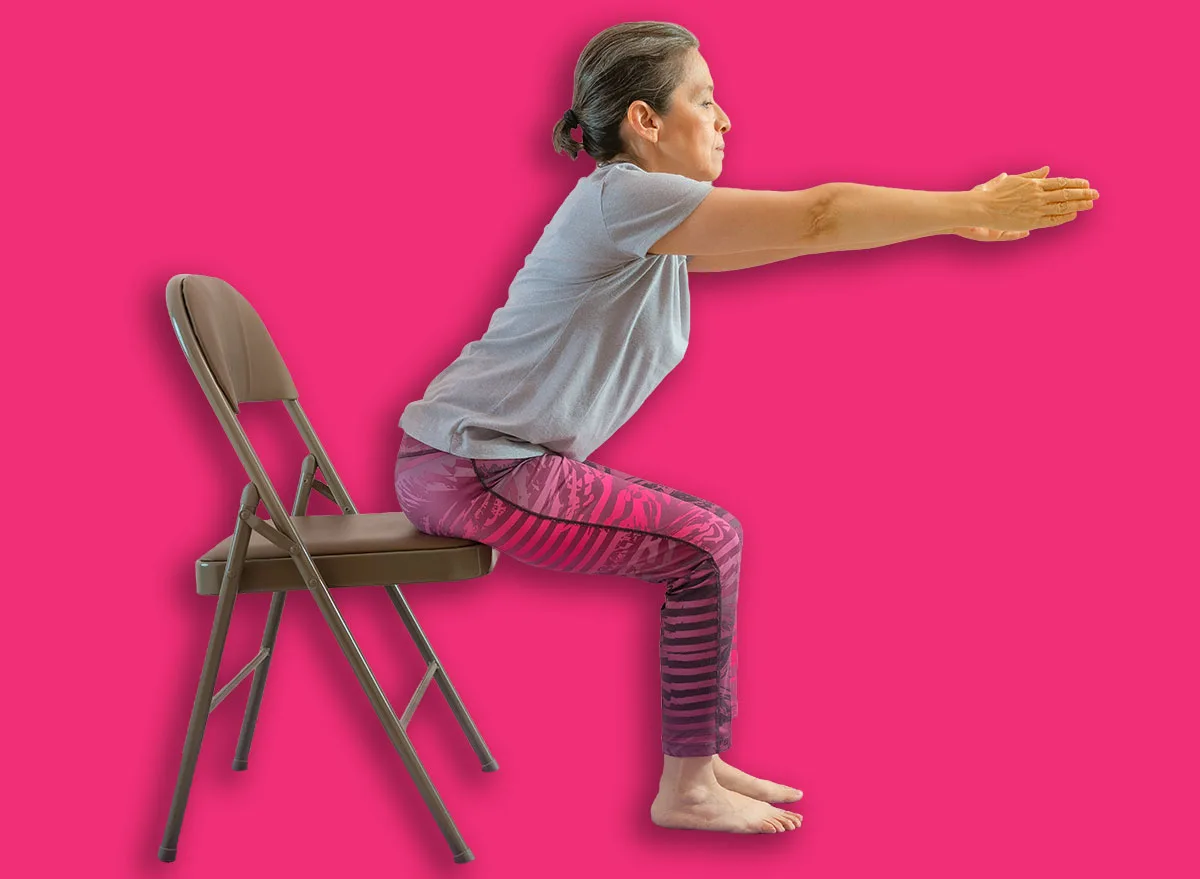
Maintaining robust core strength becomes increasingly vital for individuals navigating the complexities of aging, particularly after the age of 55. The core musculature, encompassing not only the visible abdominal muscles but also the deeper stabilizers of the spine and pelvis, plays an indispensable role in almost every physical activity, from standing and walking to lifting and bending. As people mature, physiological changes such as sarcopenia—the age-related loss of muscle mass—and shifts in balance and coordination can compromise this essential foundation, leading to a heightened risk of falls, persistent back pain, and a decline in overall functional independence. While the inclination to counteract this decline often leads individuals toward conventional abdominal routines, these traditional floor-based exercises, frequently performed in isolation, may not always translate effectively into the functional strength needed for real-world scenarios, and can sometimes pose accessibility challenges or exacerbate existing discomfort for an older demographic.
A significant body of evidence and practical experience from fitness professionals working with older adults suggests that the most profound improvements in core resilience often stem from training methodologies that prioritize stability and support while keeping the body in an upright position. This is precisely where the strategic integration of chair-based movements offers a compelling advantage, providing a stable platform that allows for concentrated muscular engagement without the inherent difficulties of getting down onto and up from the floor, or the spinal compression sometimes associated with traditional crunch variations. The chair serves not as a means of reducing challenge, but rather as an anchor that facilitates a deeper focus on controlled contractions, precise posture, and integrated breathing—elements that are absolutely critical for rebuilding and reinforcing the deep core muscles responsible for spinal support and a firm midsection.
One of the primary benefits of incorporating a chair into core training is the enhanced capacity for controlled movement and sustained muscular tension. Unlike rapid repetitions that often rely on momentum rather than deliberate muscle activation, chair exercises encourage a slower, more deliberate pace. This extended "time under tension" is a potent stimulus for muscle growth and strength development, particularly for the deep intrinsic core muscles like the transversus abdominis and multifidus, which are crucial for spinal stability but often neglected in fast-paced workouts. By minimizing extraneous movement and offering external support, the chair allows individuals to truly isolate and feel these deep muscles engaging, fostering a stronger mind-muscle connection that is pivotal for effective strength development.
Beyond the biomechanical advantages, the accessibility of chair exercises significantly boosts adherence and consistency, which are foundational pillars of any successful fitness regimen. For many individuals over 55, issues such as knee pain, hip discomfort, or simply the effort required to transition to and from the floor can act as substantial barriers to regular exercise. Chair-based routines circumvent these obstacles, making daily engagement feel more manageable and less intimidating. The psychological benefit of an exercise program that feels achievable cannot be overstated, as consistent, moderate effort invariably yields superior results compared to sporadic, intense sessions, especially when each movement is performed with meticulous attention to proper core engagement. This consistent reinforcement helps to reprogram neuromuscular pathways, leading to more instinctive and effective core activation throughout the day.
The following five chair-based movements are expertly designed to comprehensively target the crucial components of the core—including the lower abdominals, the oblique muscles responsible for rotational stability, and the deep stabilizing muscles of the spine. Each exercise, when performed with intentional focus, a tall posture, and controlled breathing, contributes synergistically to a stronger, more stable core that directly translates to improved posture, enhanced balance, and greater ease in performing everyday activities.
1. Seated Knee Tucks: Activating the Lower Abdominals
Seated knee tucks stand out as a highly effective chair-based exercise for directly engaging the often-elusive lower abdominal muscles. This movement strategically compels the core to exert precise control throughout both the concentric (lifting) and eccentric (extending) phases, thereby eliminating reliance on momentum and maximizing muscular work. Many people underestimate the challenge this exercise presents when executed with impeccable form and a deliberate tempo, which is precisely why it delivers such significant results in core rebuilding.
Specific Benefits: This exercise primarily targets the lower fibers of the rectus abdominis, along with the hip flexors, improving the ability to lift the legs against gravity, which is essential for tasks like climbing stairs or getting into a car. It also enhances dynamic core stability.
How to Do It:
- Sit upright on the edge of a sturdy chair, ensuring your back is straight and your feet are flat on the floor, hip-width apart. Lightly hold the sides of the chair for balance if needed.
- Engage your core by drawing your naval towards your spine.
- Slowly lift both knees simultaneously towards your chest, keeping your feet together. Aim to bring your knees as close to your chest as comfortable without rounding your back.
- Hold this contracted position for a brief moment, feeling the deep engagement in your lower abdomen.
- With controlled precision, slowly extend your legs back to the starting position, ensuring your abdominal muscles remain engaged to prevent your torso from leaning back or arching.
- Perform 10-15 repetitions, focusing on smooth, deliberate movements.
2. Seated Leg Extensions with Core Brace: Enhancing Stabilizing Endurance
This exercise is particularly effective at cultivating core strength by compelling the abdominal muscles to act as primary stabilizers while the limbs execute independent movements. Its inclusion in a routine is often favored because it closely mirrors the functional demands of real-life situations, where the core must maintain steadfast engagement even as the arms and legs are in motion—a crucial aspect frequently overlooked by conventional abdominal training methods.
Specific Benefits: This movement strengthens the deep core stabilizers, particularly the transversus abdominis, by requiring them to prevent torso rotation or leaning as one leg extends. It also improves hip flexor strength and coordination.
How to Do It:
- Begin seated tall in your chair, feet flat on the floor, shoulder-width apart. Keep your back straight and shoulders relaxed.
- Actively brace your core, imagining you are preparing for a gentle impact. Place your hands lightly on your thighs or the sides of the chair for support.
- Slowly extend one leg straight out in front of you until it is parallel to the floor, or as high as comfortable without compromising your upright posture. Flex your foot, pointing your toes towards the ceiling.
- Hold this extended position for 2-3 seconds, ensuring your core remains tightly braced to prevent any tilting or shifting of your torso.
- With deliberate control, slowly lower the leg back to the starting position.
- Alternate legs, performing 8-12 repetitions on each side.
3. Seated Cross-Body Crunch: Developing Rotational Core Power
The seated cross-body crunch introduces a vital dimension of rotational strength into the core training regimen by specifically targeting the oblique muscles. This exercise is invaluable because it directly fortifies the muscle groups essential for stabilizing and controlling twisting movements—capacities that become progressively more critical for maintaining agility and preventing injury as individuals age.
Specific Benefits: This exercise specifically targets the internal and external obliques, which are responsible for torso rotation and lateral flexion. Strengthening these muscles improves stability during twisting motions and contributes to a more defined waistline.
How to Do It:
- Sit upright in your chair, feet flat on the floor, hip-width apart. Place your hands behind your head, elbows wide.
- Engage your core and maintain a straight back.
- Slowly twist your torso to bring your right elbow towards your left knee. Simultaneously, lift your left knee towards your chest to meet the elbow, creating a deep contraction across your midsection.
- Focus on the squeeze in your obliques rather than just bringing the limbs together.
- Hold the peak contraction for a moment before slowly returning to the starting position with control.
- Alternate sides, bringing your left elbow towards your right knee.
- Perform 10-15 repetitions on each side, ensuring smooth and controlled execution.
4. Seated March with Hold: Cultivating Core Endurance
The seated march is an excellent exercise for building both core endurance and dynamic stability through repetitive, yet highly controlled, movement patterns. This exercise is a cornerstone in many programs because it specifically trains the core to sustain engagement over extended periods, rather than merely during short, explosive bursts. This cultivated endurance is a fundamental contributor to enhanced posture, reduced fatigue, and more efficient movement throughout daily life.
Specific Benefits: This exercise primarily strengthens the hip flexors and deep abdominal muscles, improving endurance for walking and standing. The "hold" phase significantly increases time under tension for the core stabilizers, enhancing static balance.
How to Do It:
- Sit tall on your chair, feet flat on the floor, hands resting lightly on your thighs or the sides of the chair.
- Brace your core muscles by pulling your naval gently towards your spine.
- Slowly lift your right knee towards your chest, maintaining a strong, upright posture without leaning back.
- Hold the knee at the top of the movement for 2-3 seconds, consciously engaging your abdominal muscles to stabilize your torso.
- With control, slowly lower your right foot back to the floor.
- Repeat the process with your left leg, marching slowly and deliberately.
- Perform 12-15 repetitions on each leg, emphasizing the hold and controlled descent.
5. Seated Forward Lean with Core Tightening: Integrating Functional Stability
This concluding movement masterfully integrates all previous principles by specifically training the core to maintain stability during forward-leaning actions. Its regular inclusion is highly recommended because it reinforces proper core engagement in a posture that directly mimics common everyday activities, such as reaching for objects, bending over, or the initial phase of standing up from a seated position.
Specific Benefits: This exercise strengthens the entire core, especially the deep stabilizers and erector spinae, which support the spine during bending and reaching. It teaches the core to brace reflexively during functional movements, preventing back strain.
How to Do It:
- Sit upright on the edge of your chair, feet flat on the floor, hip-width apart. Cross your arms over your chest or place your hands lightly on your thighs.
- Take a deep breath and, as you exhale, actively tighten your core muscles, drawing your naval in.
- Keeping your back straight and your core braced, slowly lean your torso forward slightly from your hips, maintaining the tightness in your abdominal muscles. Imagine your spine lengthening as you lean.
- Only lean as far as you can comfortably control, without rounding your back or losing core engagement. You should feel your abdominal muscles working to support your upper body.
- Hold this slightly forward-leaning position for 2-3 seconds, maintaining the core brace.
- Slowly return to the upright seated position, still keeping your core engaged.
- Perform 10-15 repetitions, focusing on controlled movement and continuous core activation.
Incorporating these five chair-based core exercises into a regular routine offers a powerful, accessible, and highly effective pathway to enhancing core strength and stability for individuals over 55. By prioritizing supported, controlled movements, these exercises transcend the limitations of many traditional ab workouts, fostering a deeper connection with the core musculature and promoting functional strength that directly translates to improved quality of life, greater independence, and a reduced risk of age-related physical challenges. Consistency, mindful execution, and listening to one’s body are paramount for unlocking the full spectrum of benefits these targeted movements provide. As with any new exercise program, consulting with a healthcare professional or certified fitness trainer before beginning is always recommended to ensure suitability for individual health conditions.
Related posts:

Related News