
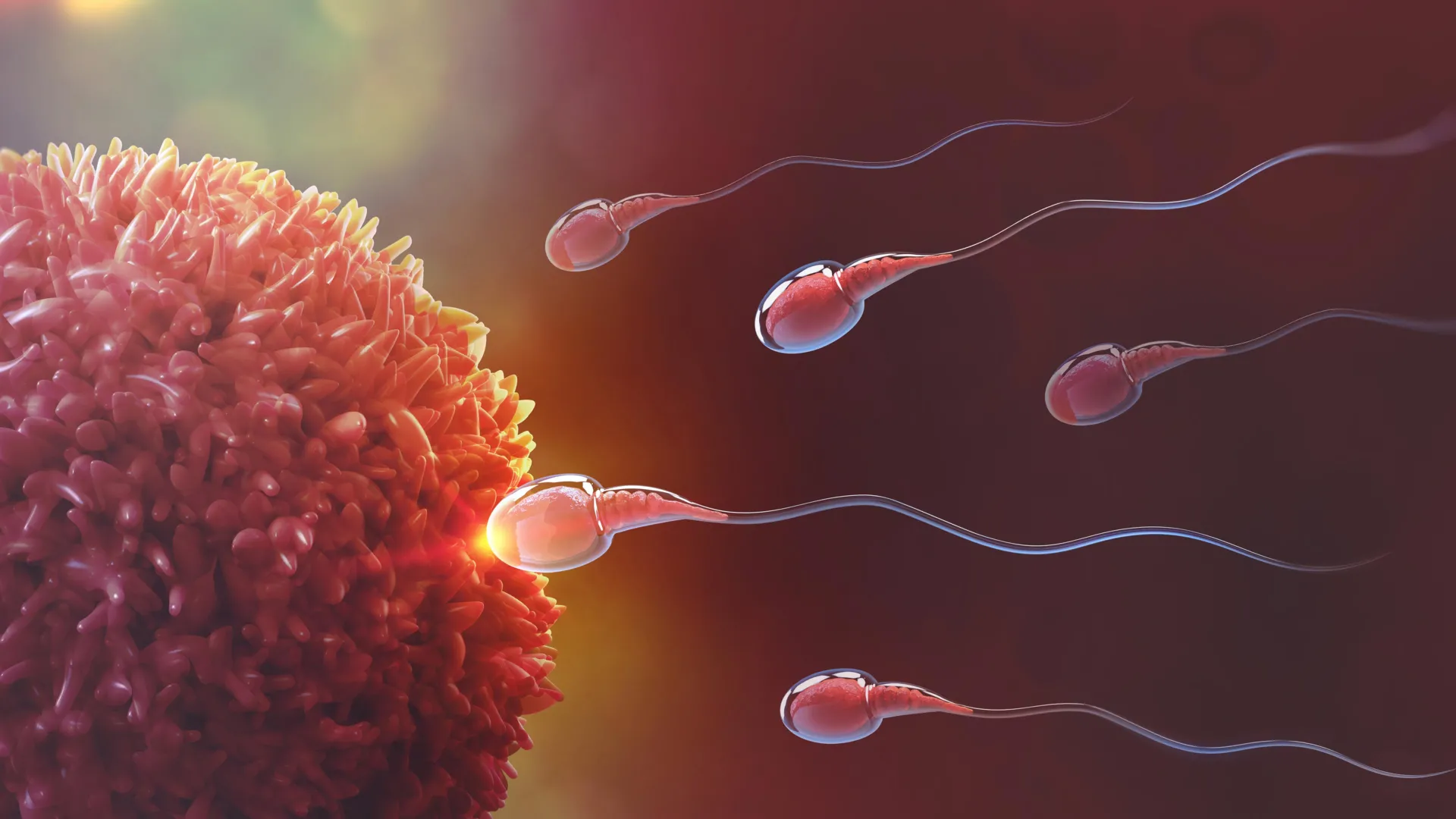
Cornell University researchers have achieved a significant breakthrough in the pursuit of a male contraceptive, a long-sought objective in reproductive health, demonstrating a method that temporarily silences sperm generation without enduring consequences. This pioneering research, meticulously conducted over a six-year period in murine models, offers compelling evidence that the intricate process of meiosis, the fundamental mechanism for generating reproductive cells, can be transiently interrupted to achieve effective contraception, with the potential for full restoration of fertility. The foundational findings of this study were recently disseminated in the esteemed scientific journal, the Proceedings of the National Academy of Sciences.
The experimental strategy employed by the scientific team involved the utilization of a small molecule compound known as JQ1. This compound, initially conceived and investigated for its therapeutic potential in the arenas of oncology and inflammatory disorders, possesses a critical characteristic: its capacity to interfere with a specific phase of meiosis termed prophase I. While JQ1 itself is not deemed suitable for direct human application due to observed neurological adverse effects in preclinical investigations, its application in this research context was instrumental. It served as a vital tool to definitively establish, for the first time, that precisely targeting the meiotic pathway offers a viable and reversible route to suppressing sperm production.
This investigation addresses a significant unmet need in the landscape of family planning, where current male contraceptive options remain exceedingly limited to barrier methods like condoms and surgical sterilization through vasectomy. Vasectomies, while providing a highly effective long-term solution, often present a psychological barrier for many individuals, despite the potential for surgical reversal in some cases. Concurrently, the development of hormonal contraceptives for men has been approached with considerable caution by the scientific community. This reticence stems, in part, from observations and safety concerns that have arisen from the long-term use of hormonal contraceptives in women, prompting a search for alternative, non-hormonal mechanisms.
The strategic focus on meiosis by Professor Paula Cohen and her team, Director of the Cornell Reproductive Sciences Center, was deliberate and critical to the success of their approach. By targeting this specific stage of sperm development, the researchers aimed to ensure not only a complete cessation of sperm production during the period of intervention but also a robust and reliable recovery of normal spermatogenesis thereafter. This meticulous targeting is designed to preserve overall reproductive health and prevent any permanent impairment of fertility. As Professor Cohen articulated, a key objective was to avoid any detrimental impact on the spermatogonial stem cells, the foundational population responsible for continuous sperm generation. Any damage to these stem cells would render fertility permanently irrecoverable. Furthermore, the team sought to circumvent issues related to sperm that have progressed beyond meiosis into later stages of maturation, as there remained a theoretical risk of viable sperm inadvertently entering the reproductive tract and potentially leading to fertilization.
The mechanism by which JQ1 exerts its temporary contraceptive effect is rooted in its disruption of meiosis during prophase I. This disruption leads to the termination of developing germ cells at this particular stage. Crucially, JQ1 also inhibits the gene expression pathways that are indispensable for the subsequent phases of sperm maturation. In the experimental protocol, male mice were administered JQ1 for a duration of three weeks. Throughout this treatment period, a complete halt in sperm production was observed, and key cytological events characteristic of meiosis, including the complex choreography of chromosomes during prophase I, were demonstrably impaired.
Upon cessation of the JQ1 treatment, a process of recovery was initiated. Within a six-week timeframe, the majority of normal meiotic processes were reinstated, and robust sperm production resumed. Subsequent breeding trials with these male mice confirmed their restored fertility. Critically, the offspring generated from these pairings exhibited no discernible abnormalities and were themselves capable of successful reproduction, underscoring the reversibility and safety of the contraceptive intervention. Professor Cohen emphasized that the data unequivocally demonstrated a full recovery of meiotic function and sperm competence, and most importantly, the healthy developmental trajectory of subsequent generations.
Looking towards the potential translation of these findings into a viable human contraceptive, Professor Cohen envisions several prospective delivery methods. If further research and clinical trials prove successful, such a male contraceptive could potentially be administered through intramuscular injections, perhaps on a quarterly basis, or alternatively, via a transdermal patch designed to maintain consistent therapeutic levels. These potential delivery systems aim to provide a convenient and long-acting contraceptive solution, addressing a significant gap in the current reproductive health options available to men. The successful development of such a non-hormonal, reversible contraceptive would represent a paradigm shift, offering greater reproductive autonomy and choice for men worldwide. This ongoing research underscores the dynamic progress being made in the field of male reproductive health, pushing the boundaries of what is possible in contraceptive science.
About the Author












