Recent scientific inquiry originating from Vanderbilt Health has illuminated a critical aspect of contemporary obesity management strategies, revealing that both pioneering pharmaceutical interventions and established surgical procedures for weight reduction significantly influence body composition. The investigations demonstrate a consistent pattern across these diverse therapeutic pathways: a substantial decline in overall body fat is accompanied by a less pronounced, yet noteworthy, reduction in fat-free mass. This intricate balance between fat reduction and lean tissue preservation is emerging as a pivotal consideration for long-term health outcomes.
The significance of body composition, specifically the ratio of fat mass (FM) to fat-free mass (FFM), cannot be overstated in the context of chronic disease and mortality. A disproportionately high percentage of body fat is a well-documented risk factor for a spectrum of obesity-related ailments, most notably cardiovascular diseases, and is independently associated with an elevated risk of premature death. Conversely, a robust and well-maintained proportion of FFM, which encompasses essential components like muscle tissue, bone, and organs, correlates with a reduced susceptibility to mortality and better overall physiological function. Therefore, while the primary goal of many weight loss interventions is to diminish fat mass, the concurrent impact on FFM warrants meticulous examination.
This emerging understanding underscores a fundamental trade-off inherent in aggressive weight loss efforts. The direct benefits of shedding excess adiposity are clear and scientifically validated. However, the preservation of lean muscle mass is equally vital for metabolic health, functional capacity, and resilience. The precise mechanisms by which different weight loss modalities affect these two critical body components, and the long-term implications of these shifts, remain a dynamic and crucial frontier in medical research.
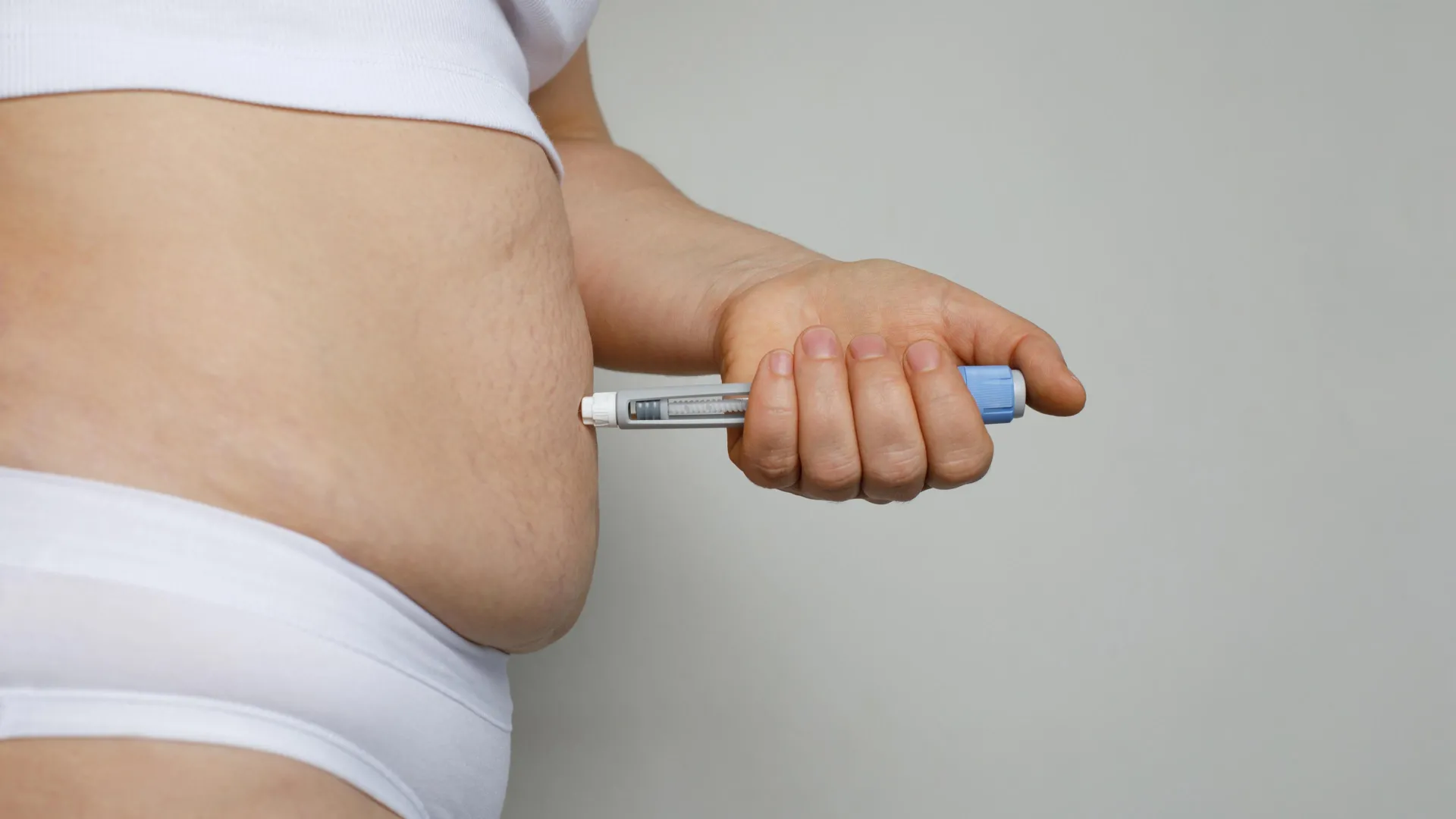
The researchers involved in this study emphasize the need for continued investigation to fully delineate the dynamics of FM and FFM alteration following both bariatric surgery and treatment with glucagon-like peptide-1 (GLP-1) receptor agonist medications within the complexities of real-world clinical practice. The comprehensive findings of this particular research endeavor have been formally disseminated through publication in the esteemed scientific journal, JAMA Network Open.
The methodological framework of this significant study involved a retrospective analysis drawing upon a substantial repository of electronic health records, meticulously curated at Vanderbilt Health. The patient cohort was strategically divided into two primary groups for comparative analysis. The surgical arm of the study comprised 1,257 individuals aged between 18 and 65 years who had undergone bariatric surgery between the years 2017 and 2022. Concurrently, the pharmacological arm included 1,809 patients who had received treatment with either semaglutide or tirzepatide, both prominent members of the GLP-1 receptor agonist class, during the period spanning 2018 to 2023. To ensure the integrity and focus of the findings, individuals with a pre-existing diagnosis of end-stage renal disease or congestive heart failure were systematically excluded from the dataset, thereby controlling for potential confounding factors related to severe chronic conditions.
To quantify and assess the intricate changes in body composition, the research team employed a sophisticated diagnostic tool known as bioelectrical impedance analysis (BIA). This non-invasive technique provides an estimation of both FM and FFM by analyzing the electrical conductivity of the body. The accuracy of these estimations is further refined through the incorporation of a comprehensive array of individual characteristics, including but not limited to, an individual’s height, weight, age, self-identified race, biological sex, a history of diabetes mellitus, and the duration for which GLP-1 therapy had been administered.
Across a substantial observation period of 24 months, both of the analyzed treatment modalities demonstrated remarkably similar trajectories concerning body composition changes. Participants in both the surgical and pharmacological groups exhibited a marked and substantial reduction in their total body fat mass. In parallel with this significant fat loss, a more modest yet still discernible decrease in fat-free mass was observed. Importantly, despite the concurrent reduction in FFM, the study noted an upward trend in the ratio of FFM to FM. This shifting proportion is interpreted as an indicator of an overall improvement in body composition, suggesting that the beneficial effects of fat reduction are being achieved without a disproportionate or detrimental loss of essential lean tissue.
Furthermore, the study’s analysis uncovered intriguing sex-based differences in the body composition response. Over the extended 24-month timeframe, male participants generally demonstrated a greater capacity to preserve their fat-free mass relative to their female counterparts. This observation suggests that physiological differences between sexes may influence the body’s response to weight loss interventions, a finding that could have implications for personalized treatment strategies.
The intellectual leadership for this pivotal research was spearheaded by Dr. Danxia Yu, an Associate Professor of Medicine within the Division of Epidemiology, and Dr. Jason Samuels, an Assistant Professor of Surgery. The principal authorship of the study was shared by Zicheng Wang, a Master of Science candidate in Epidemiology, and Dr. Lei Wang, a postdoctoral fellow in Epidemiology, both of whom made substantial contributions to the research. A multidisciplinary team of accomplished researchers and clinicians lent their expertise to this project, including Xinmeng Zhang and Dr. You Chen from Biomedical Informatics and Computer Science; Brandon Lowery from the Vanderbilt Institute for Clinical and Translational Research; Lauren Lee Shaffer, MS, and Dr. Quinn Wells from the Division of Cardiovascular Medicine; and Dr. Charles Flynn, Dr. Brandon Williams, Dr. Matthew Spann, and Dr. Gitanjali Srivastava from the Department of Surgery. The financial support essential for the successful execution of this research was generously provided, in part, through grants awarded by the National Institutes of Health, specifically R01DK126721 and R01CA275864, underscoring the significance and national recognition of this work.
About the Author