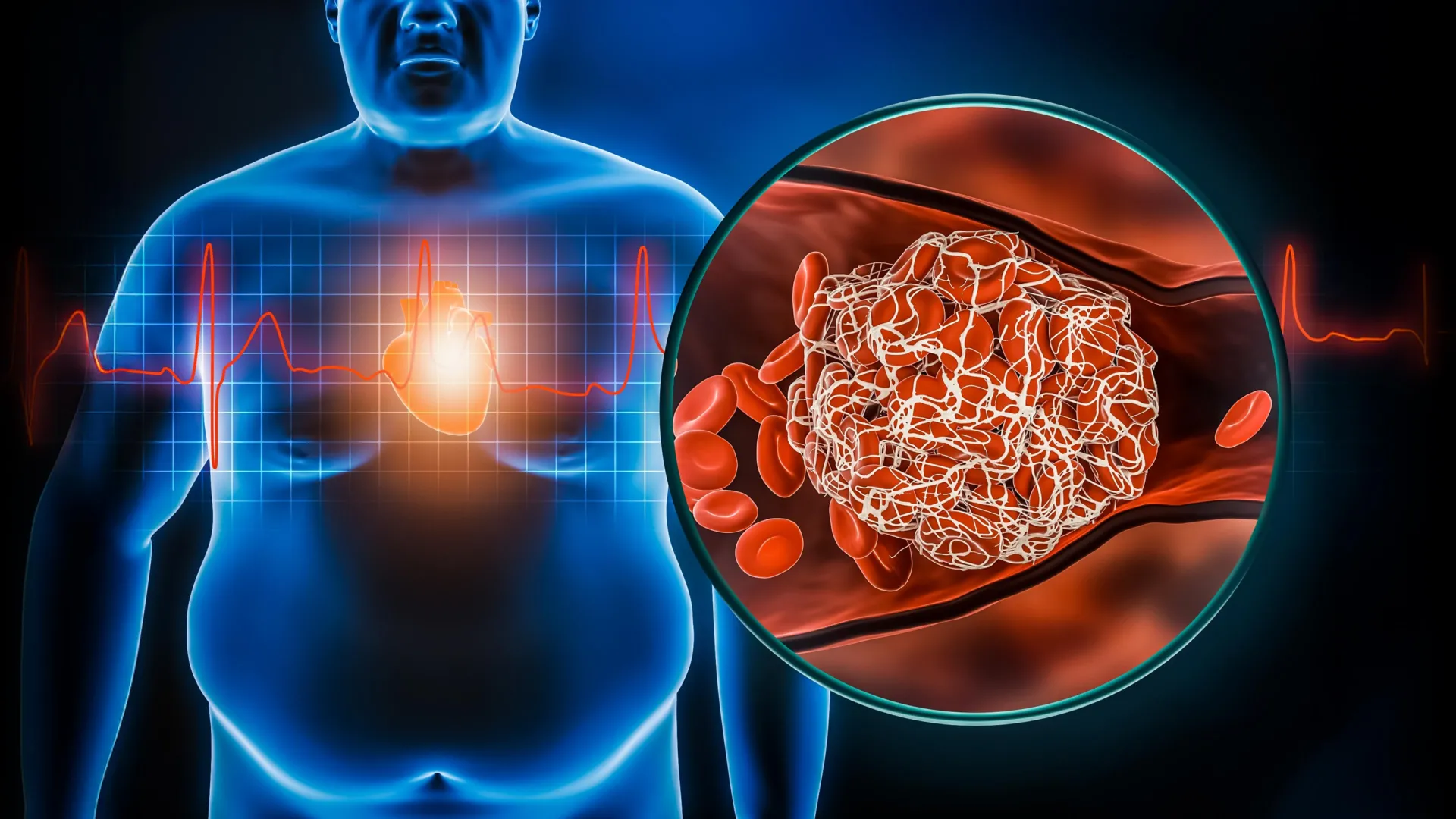
A recent presentation at the European Congress on Obesity (ECO) in Istanbul, Turkey, has illuminated critical distinctions in how excess body weight impacts the physiological landscapes of men and women, suggesting that the health risks associated with obesity are not uniformly distributed across sexes. This groundbreaking research indicates that the development of complications affecting cardiovascular health, metabolic function, and inflammatory processes exhibits marked divergence between genders, paving the way for more tailored and effective clinical interventions.
A team of investigators from Dokuz Eylul University in Turkey meticulously examined a cohort of individuals grappling with obesity, uncovering a pronounced tendency for men to accumulate visceral adipose tissue. This deep-seated abdominal fat, which encases vital internal organs, has been long identified as a potent contributor to severe cardiac and metabolic disturbances. The male participants in the study also presented with elevated levels of hepatic enzymes, a physiological marker that can signify compromised liver function. Conversely, women experiencing obesity demonstrated a greater susceptibility to systemic inflammation and dysregulated cholesterol profiles, both of which are recognized as significant drivers of cardiovascular disease and the development of type 2 diabetes.
Dr. Zeynep Pekel, the lead author of the study and affiliated with Dokuz Eylul University in Izmir, Turkey, articulated the profound implications of these findings, stating, "Our results unveil fascinating variations in the way males and females metabolize and respond to obesity." She emphasized the paramount importance of gender-specific research in this domain, asserting that "sex differences are not merely incidental factors in the pathology and progression of obesity; rather, our findings suggest they represent a crucial stepping stone towards the development of precise, sex-based therapeutic strategies for managing individuals affected by obesity."
The global burden of metabolic syndrome, a cluster of conditions that significantly elevate the risk of heart disease and type 2 diabetes, underscores the pervasive nature of obesity-related health challenges. As of 2023, an estimated 1.54 billion adults worldwide, approximately one in three women and one in four men, were living with this complex syndrome. Metabolic syndrome is characterized by a constellation of risk factors including abdominal obesity, elevated cholesterol levels, hypertension, and hyperglycemia.
Obesity, fundamentally a multifaceted chronic disease, exerts a wide-ranging influence on the human body, profoundly altering metabolic pathways and initiating inflammatory cascades. The intricate interplay of these changes, however, is not uniform; biological sex demonstrably influences the patterns of fat deposition, the liver’s capacity for nutrient processing, and the nuances of immune system responses. Despite this understanding, comprehensive comparative analyses detailing these sex-based divergences in individuals with obesity have remained notably scarce.
To address this knowledge gap, the research team embarked on a detailed examination of data collected from 886 women, with an average age of 45 years, and 248 men, with an average age of 41 years. These participants were all receiving care at the Obesity Clinic within the Department of Internal Medicine at Dokuz Eylul University Faculty of Medicine between 2024 and 2025. The study design aimed to provide a robust, quantitative assessment of physiological parameters that could elucidate sex-specific responses to obesity.
The comprehensive evaluations undertaken included a battery of anthropometric measurements, such as height, weight, body mass index (BMI), and blood pressure. Furthermore, extensive blood analyses were conducted to ascertain lipid profiles, crucial indicators of cardiovascular risk. These included measurements of total cholesterol, low-density lipoprotein (LDL) – often referred to as "bad" cholesterol – high-density lipoprotein (HDL), or "good" cholesterol, triglycerides, and fasting blood glucose levels.
Beyond cardiovascular markers, the researchers also meticulously assessed biomarkers associated with liver function, specifically alanine aminotransferase (ALT) and gamma-glutamyl transferase (GGT), as well as indicators of kidney function, such as creatinine levels. Inflammatory status was further elucidated through the measurement of C-reactive protein, erythrocyte sedimentation rate, white blood cell count, and platelet count, providing a multi-dimensional view of the body’s physiological state.
The analytical findings revealed subtle yet significant disparities. While men exhibited a marginally higher average body mass index (BMI) of 37.5 kg/m² compared to women’s 36 kg/m², their waist circumferences were substantially larger, averaging 120 cm against the women’s 108 cm. Moreover, men presented with elevated systolic blood pressure readings (128 mmHg compared to 122 mmHg in women). Both increased waist circumference and higher blood pressure are well-established risk factors for cardiovascular disease and diabetes.
Further biochemical analyses demonstrated that men had significantly higher concentrations of liver enzymes (ALT and GGT), triglycerides, and creatinine. These biochemical signatures strongly suggest a heightened predisposition to hepatic complications and metabolic derangements within the male cohort.
In contrast, women in the study displayed elevated levels of total cholesterol (215 mg/dL compared to 203 mg/dL in men) and LDL or "bad" cholesterol (130 mg/dL versus 123 mg/dL in men). Crucially, women also exhibited higher concentrations of various inflammatory markers, including erythrocyte sedimentation rate, C-reactive protein, and platelet count. These patterns collectively indicate a more pronounced inflammatory response in women with obesity.
Dr. Pekel posited that these observed sex-based differences are likely rooted in a complex interplay of hormonal influences, variations in immune system activity, and distinct patterns of adipose tissue distribution. Hormonal factors, particularly estrogen, are known to play a significant role in regulating fat storage and modulating the body’s inflammatory responses. Typically, women tend to store a greater proportion of fat subcutaneously, which is generally considered less metabolically harmful than visceral fat. Concurrently, women often exhibit higher levels of inflammatory markers such as C-reactive protein and erythrocyte sedimentation rate, potentially linked to their generally more robust immune responses, which may be influenced by genetic factors such as the presence of two X chromosomes.
Men, conversely, are predisposed to accumulating fat in the visceral depots, surrounding internal organs. This visceral fat is intrinsically linked to metabolic dysregulation and significantly amplifies the risk of developing severe health complications.
"While these findings are still in their nascent stages and require corroboration across diverse patient populations, they offer invaluable insights into the differential impact of obesity on men and women," Dr. Pekel commented. "The observed variations are likely orchestrated by fundamental biological mechanisms including hormonal profiles, immune system dynamics, and the specific locations where fat accumulates. Our subsequent research endeavors will focus on validating these findings in larger, more heterogeneous cohorts, delving deeper into the underlying biological processes that drive these sex-based differences, and crucially, exploring how these physiological patterns correlate with clinical risk trajectories."
The researchers candidly acknowledged several limitations inherent in their study. The cross-sectional nature of the research means it cannot establish definitive cause-and-effect relationships and may be susceptible to confounding variables or reverse causation. Furthermore, the study’s participant pool was predominantly composed of adults of Turkish ethnicity, which could limit the generalizability of the findings to other racial and ethnic groups. Consequently, larger, more diverse epidemiological studies are imperative to confirm and expand upon these initial, compelling results. The authors remain available to address further inquiries regarding their research, which was presented as abstract 1854 at the ECO congress.
About the Author