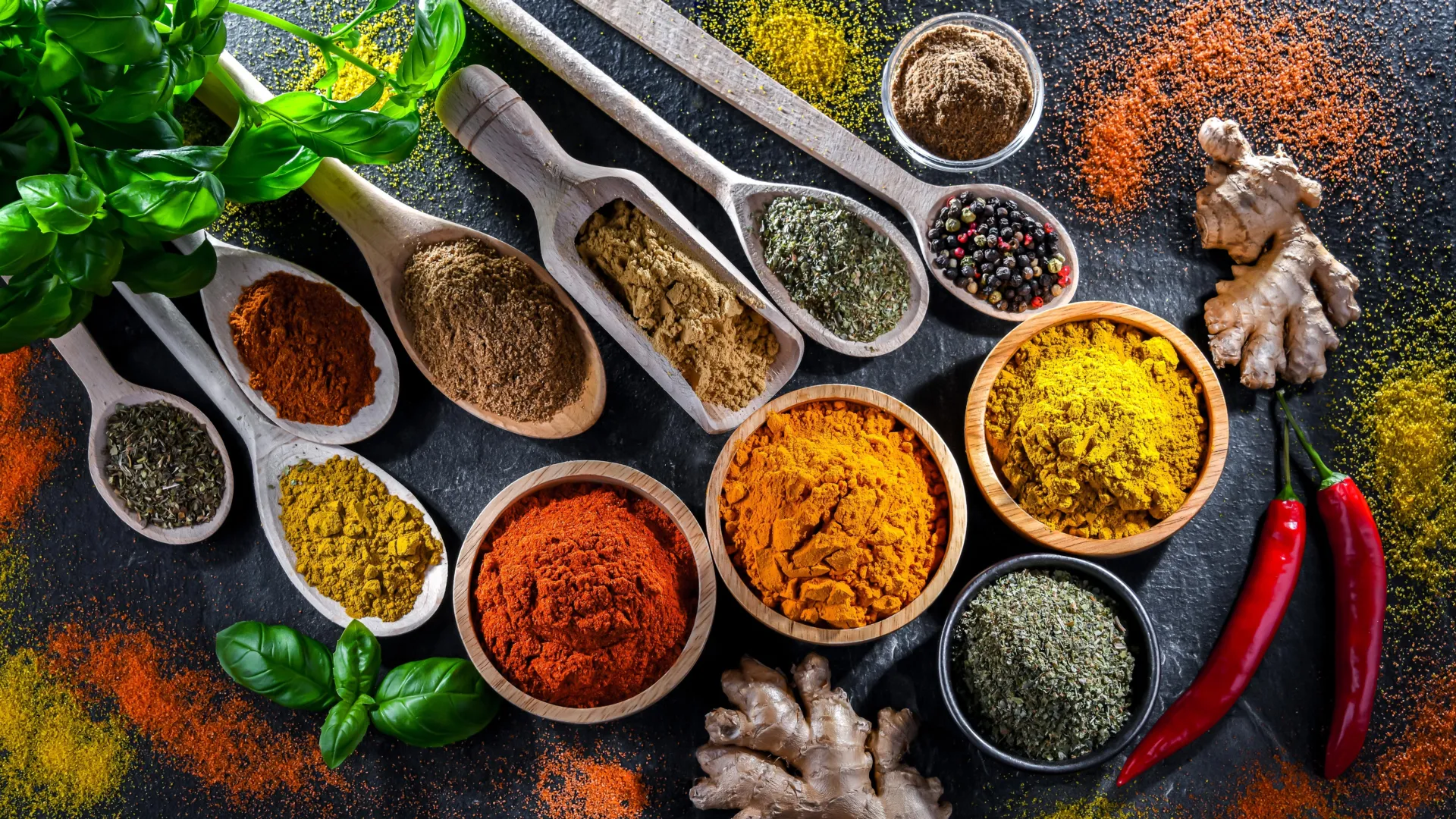
Chronic inflammation, a pervasive and often insidious physiological state, can silently undermine well-being, contributing to a constellation of serious health challenges including metabolic disorders, cardiovascular ailments, obesity, joint degeneration, and even oncological development. This persistent immune system activation, characterized by the release of signaling molecules known as cytokines by immune cells, is a response typically initiated by injury or infection. However, dietary choices demonstrably exert a significant influence over these intricate biological processes. A vast array of edible flora, encompassing herbs, spices, and aromatic plants, contain a rich repertoire of naturally occurring chemical constituents, termed phytochemicals, which possess the capacity to modulate inflammatory pathways. For millennia, these botanical ingredients have been integral components of traditional culinary practices and medicinal systems, their therapeutic contributions recognized empirically long before the underlying molecular mechanisms were elucidated.
Despite this enduring historical precedent, the precise manner in which plant-derived foodstuffs confer anti-inflammatory benefits has remained a subject of considerable scientific inquiry. While isolated phytochemicals frequently exhibit discernible anti-inflammatory properties in controlled laboratory environments, these effects often necessitate concentrations far exceeding those achievable through typical dietary intake, raising questions about their physiological relevance in vivo. Furthermore, a persistent enigma has been the potential for combinatorial interactions among diverse phytochemicals within cellular environments, leading to amplified therapeutic outcomes that surpass the additive effects of individual agents. Until very recently, empirical validation and molecular-level explanations for such synergistic phenomena have been scarce.
Addressing this knowledge gap, a multidisciplinary research endeavor spearheaded by Professor Gen-ichiro Arimura, affiliated with the Department of Biological Science and Technology at Tokyo University of Science in Japan, meticulously investigated the impact of co-administered plant-derived compounds on inflammatory cascades within immune cells. The findings, recently disseminated in the prestigious journal Nutrients (Volume 18, Issue 3), specifically scrutinized compounds commonly sourced from plants such as mint, eucalyptus, and chili peppers. The research team’s primary objective was to ascertain whether the simultaneous application of these constituents could more effectively attenuate inflammatory signaling compared to their solitary administration.
The experimental framework involved the careful examination of macrophages, a critical class of immune cells integral to inflammatory processes, responsible for secreting cytokines that orchestrate the body’s inflammatory responses. To artificially induce an inflammatory state, the researchers utilized lipopolysaccharide, a bacterial endotoxin frequently employed in immunological research to stimulate macrophages. Subsequently, these activated murine macrophages were subjected to treatment with individual compounds including menthol (a key constituent of mint), 1,8-cineole (abundant in eucalyptus), capsaicin (the pungent compound in chili peppers), and β-eudesmol (found in hops and gingers). Each compound was tested independently, alongside various synergistic pairings.
Employing a sophisticated suite of analytical techniques, including gene expression profiling, quantitative protein analysis, and real-time calcium imaging, the scientific team meticulously monitored the influence of these treatments on pivotal inflammatory biomarkers. A central tenet of their investigation was to explore whether the observed modulatory effects were mediated through transient receptor potential (TRP) channels, a family of transmembrane proteins that function as crucial sensors for chemical and physical stimuli, thereby regulating intracellular calcium dynamics pertinent to immune cell signaling.
Individually administered, capsaicin emerged as the most potent agent in suppressing inflammatory responses. However, the most profound and transformative results materialized when these compounds were administered in combination. Professor Arimura articulated that "When capsaicin was combined with either menthol or 1,8-cineole, their collective anti-inflammatory efficacy escalated by several hundredfold in comparison to the effects observed when each compound was applied in isolation."
Subsequent investigations were instrumental in deciphering the intricate molecular architecture underlying this remarkable synergy. It was revealed that menthol and 1,8-cineole exert their anti-inflammatory influence through the modulation of TRP channels and subsequent alterations in calcium signaling pathways. In contrast, capsaicin appears to operate via an alternative molecular route that is independent of TRP channel activation. Professor Arimura elaborated on this discovery, stating, "We have substantiated that this synergistic effect is not a serendipitous occurrence but rather arises from a novel mode of action, predicated on the concurrent activation of distinct intracellular signaling cascades." He further emphasized, "This research provides unambiguous molecular-level evidence corroborating the empirically recognized benefits of integrating diverse food ingredients."
These groundbreaking findings carry significant implications for our understanding of diet and its role in maintaining health, suggesting that the amalgamation of plant-derived compounds can elicit substantial physiological effects even at the relatively low concentrations typically encountered in a balanced diet. The research opens promising avenues for the development of novel functional foods, dietary supplements, sophisticated seasoning blends, and even olfactory products engineered to deliver enhanced therapeutic benefits through the strategic utilization of reduced quantities of active ingredients. On a broader scale, this work lends robust support to the emerging paradigm that the health advantages conferred by plant-rich diets may stem not from singular "super-compounds," but rather from the intricate interplay and mutual reinforcement of a multitude of phytochemicals.
While acknowledging the necessity for further preclinical studies in animal models and rigorous human clinical trials to definitively validate these findings, this research offers a substantially clearer mechanistic insight into how commonly consumed foods and their constituent natural compounds can effectively regulate chronic inflammation. Ultimately, this enhanced understanding holds the potential to significantly contribute to the long-term promotion of human health.
Dr. Gen-ichiro Arimura, a distinguished Professor in the Department of Biological Science and Technology at Tokyo University of Science, Japan, is a leading figure in the field of plant biotechnology and chemical ecology. He obtained his Ph.D. from Hiroshima University Graduate School in 1998. His scholarly contributions, marked by over 130 peer-reviewed publications and more than 6,600 citations since 1996, reflect his extensive expertise in biological communication and plant ecology. Professor Arimura is also a prolific inventor, holding four patents, and was recognized with an award from the International Society of Chemical Ecology in 2023 for his significant contributions to the field.
This research initiative received partial financial backing from the Japan Society for the Promotion of Science (JSPS) KAKENHI (grant number 24K01723) and internal research grants provided by Tokyo University of Science.
About the Author