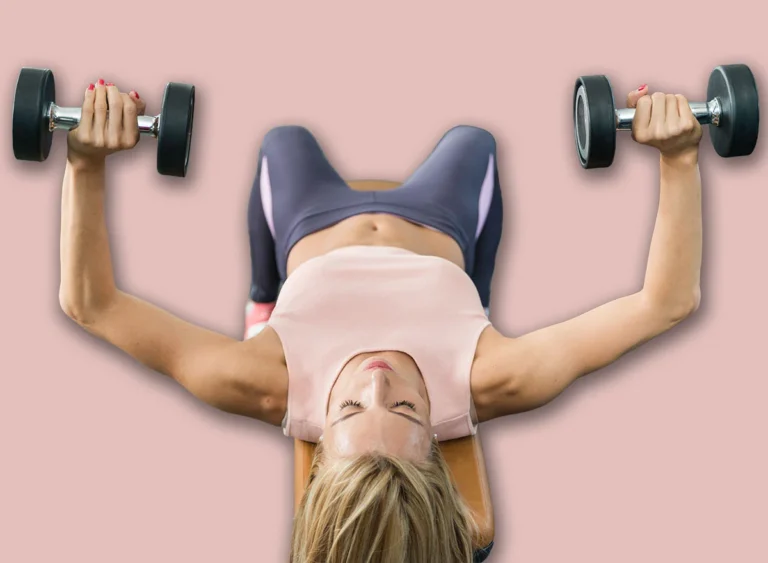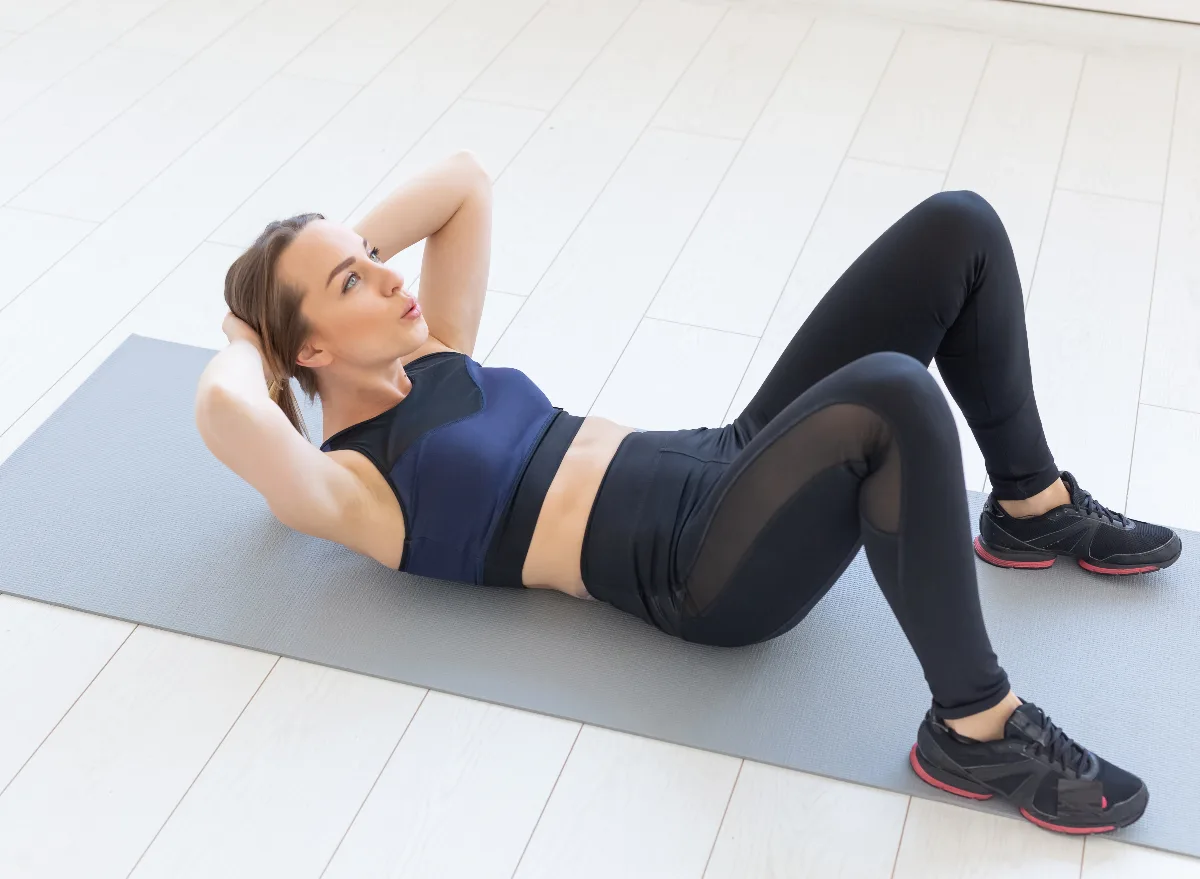
As individuals navigate the landscape of aging, typically past the age of 60, many observe distinct shifts in their body composition, particularly a noticeable accumulation of adipose tissue around the abdominal area. This phenomenon, often colloquially referred to as the "middle-age spread," is more than just an aesthetic concern; it signals underlying physiological changes that warrant a strategic approach to wellness. While traditional exercises like crunches have long been a go-to for targeting the abdominal region, contemporary understanding of exercise science and age-related physiology suggests that more nuanced and comprehensive methods are significantly more beneficial, especially for older adults seeking to enhance core strength and mitigate abdominal fat.
The propensity for fat storage in the midsection intensifies with advancing age, often beginning as early as the mid-thirties. This fat is frequently identified as visceral fat, a particularly insidious type that embeds itself deep within the abdominal cavity, surrounding vital organs. Unlike subcutaneous fat, which lies just beneath the skin, visceral fat is metabolically active and produces hormones and inflammatory substances that significantly elevate the risk of serious health conditions. These include cardiovascular disease, type 2 diabetes, certain cancers, and metabolic syndrome. Combating this deep-seated fat becomes increasingly challenging due to several age-related physiological transformations.
One primary factor is sarcopenia, the progressive and involuntary loss of skeletal muscle mass, strength, and function that occurs with aging. After 60, this process accelerates, leading to a decrease in lean muscle tissue. Since muscle is more metabolically active than fat, its reduction contributes to a slower resting metabolic rate, making it inherently more difficult for the body to burn calories and easier to store excess energy as fat, particularly in the abdomen.
Concurrent with sarcopenia are significant hormonal fluctuations. In women, declining estrogen levels post-menopause are strongly linked to a redistribution of fat from the hips and thighs to the abdomen. Similarly, in men, a gradual reduction in testosterone can contribute to increased abdominal adiposity. Moreover, chronic stress, which tends to accumulate with life experience, can lead to elevated cortisol levels. Cortisol, often termed the "stress hormone," plays a direct role in promoting the storage of visceral fat. These interconnected physiological shifts create a challenging environment for maintaining a toned and healthy midsection through conventional means.
In this context, the effectiveness of crunches as a primary solution for abdominal fat reduction comes under scrutiny. Karen Ann Canham, a Board-Certified Wellness Coach, Nervous System Specialist, and CEO and founder of Karen Ann Wellness, with nearly two decades of expertise in corporate leadership and wellness, emphasizes that crunches alone are not the most efficacious path to reducing abdominal fat, particularly for individuals over 60.
Canham explains a critical physiological principle: the concept of "spot reduction" is largely a myth. Fat loss is a systemic process, meaning that engaging a specific muscle group, like the abdominal muscles through crunches, does not directly lead to fat being burned exclusively from that area. Instead, the body draws upon fat stores from across the body for energy. Crunches primarily work the rectus abdominis, the superficial muscle responsible for the "six-pack" appearance. While strengthening this muscle, they do not significantly impact the deeper abdominal fat stores.
Furthermore, crunches can sometimes exacerbate the appearance of abdominal protrusion if the deeper stabilizing muscles, such as the transverse abdominis, are weak. Crunches increase intra-abdominal pressure without adequately strengthening these crucial internal support structures. For older adults, there are additional considerations: the repetitive flexion involved in crunches can place undue strain on the neck and lower back, areas often prone to age-related discomfort or injury. A more effective approach, Canham suggests, involves exercises that foster deep core activation, enhance pelvic stability, and engage multiple muscle groups across the body, leading to improved overall function, posture, and metabolic health. These holistic benefits collectively contribute to a more toned and functional midsection.
A practical and accessible solution for many older adults involves incorporating specific exercises that can be performed comfortably on a bed. The inherent cushioning and support offered by a mattress can make these movements gentler on joints while still providing adequate resistance for muscle engagement. These bed-based exercises are designed to activate the deep core, improve stability, and promote functional strength, making them superior to high-repetition crunches for long-term abdominal wellness.
Here are five such exercises, as recommended by Karen Ann Canham, that focus on these principles:
1. Supine Deep Core Breathing:
This exercise transcends simple breathing; it’s a foundational practice for activating the deepest abdominal muscle, the transverse abdominis, which acts like a natural corset.
- Objective: To improve diaphragmatic breathing, engage the deep core, and promote nervous system regulation.
- Execution: Lie flat on your back on the bed with knees bent and feet flat, hip-width apart. Place one hand on your chest and the other on your lower abdomen. Inhale slowly and deeply through your nose, allowing your belly to rise as your diaphragm descends, while keeping your chest relatively still. Exhale completely through pursed lips, gently drawing your navel towards your spine as if zipping up tight pants, feeling the engagement of your deep abdominal muscles. Focus on a long, controlled exhale.
- Considerations for Seniors: Perform slowly and mindfully. This exercise is excellent for improving oxygenation and reducing stress, making it a powerful start or end to any day. It’s gentle and suitable for almost all fitness levels.
2. Dead Bugs:
Despite its whimsical name, the Dead Bug is a powerhouse exercise for developing anti-extension core strength, meaning it trains your core to resist arching your lower back.
- Objective: To enhance deep core stability, coordination, and control, particularly strengthening the transverse abdominis and obliques without stressing the spine.
- Execution: Lie on your back on the bed, lifting your arms straight towards the ceiling and your knees directly above your hips, shins parallel to the bed (like a "dead bug"). Maintain a neutral spine, ensuring your lower back remains gently pressed into the bed. Slowly extend your right arm overhead towards the bed and simultaneously straighten your left leg towards the bed, hovering just above the surface. Control the movement, exhaling as you extend and inhaling as you return to the starting position. Alternate sides smoothly and deliberately.
- Considerations for Seniors: Emphasize slow, controlled movements. If full extension is too challenging or causes lower back strain, reduce the range of motion. Only extend the limb as far as you can maintain spinal neutrality.
3. Glute Bridges:
While primarily targeting the glutes, the Glute Bridge is also a crucial exercise for core and pelvic stability, indirectly supporting a stronger midsection and improving posture.
- Objective: To strengthen the glutes, hamstrings, and lower back, while engaging the core for pelvic stability.
- Execution: Lie on your back with knees bent, feet flat on the bed, hip-width apart, and heels close to your glutes. Arms rest by your sides, palms down. Engage your core and glutes, then press through your heels to lift your hips off the bed until your body forms a straight line from your shoulders to your knees. Avoid arching your lower back excessively. Hold briefly at the top, squeezing your glutes, then slowly lower your hips back down to the bed with control.
- Considerations for Seniors: Focus on smooth, deliberate movements. Ensure the lift comes from the glutes and hamstrings, not just the lower back. If needed, perform with a smaller range of motion. This exercise is excellent for hip mobility and spinal support.
4. Lying Alternating Toe Taps:
This exercise effectively targets the lower abdominal muscles and improves core control, particularly beneficial for engaging the muscles responsible for pulling the navel towards the spine.
- Objective: To strengthen the lower abdominal muscles and improve dynamic core stability.
- Execution: Lie on your back with knees bent and feet flat on the bed. Lift your knees so your shins are parallel to the bed, forming a tabletop position. Engage your core, ensuring your lower back remains pressed against the bed. Slowly lower one heel towards the bed, gently "tapping" the surface, then return it to the starting position. Alternate legs, performing the movement with control and precision, preventing your lower back from arching.
- Considerations for Seniors: The key is control, not speed. If a full tap is too much, simply lower the heel part-way. The goal is to maintain core engagement throughout the movement without straining the lower back.
5. Side-Lying Leg Lifts:
This exercise targets the obliques and hip abductors, which are crucial for lateral core stability and overall pelvic strength.
- Objective: To strengthen the oblique muscles, hip abductors, and stabilize the pelvis, contributing to a more cinched midsection.
- Execution: Lie on your side on the bed, propped up on your forearm with your elbow directly beneath your shoulder. Stack your legs one on top of the other, keeping them straight. Ensure your body is in a straight line from head to toe. Engage your core, then slowly lift your top leg towards the ceiling, leading with the heel. Control the movement as you slowly lower the leg back down. Perform repetitions on one side before switching to the other.
- Considerations for Seniors: Maintain a stable torso; avoid rocking. If maintaining balance is difficult, you can slightly bend the bottom knee or place your free hand on the bed for support. Focus on controlled lifting and lowering, prioritizing form over height.
While these bed-based exercises provide a potent tool for core strengthening and abdominal wellness, a truly holistic approach extends beyond targeted movements. Nutritional choices play an indispensable role; a diet rich in whole foods, lean proteins to support muscle maintenance, and adequate fiber to aid digestion and satiety is crucial. Staying well-hydrated is also fundamental for metabolic function. Furthermore, integrating stress management techniques, given cortisol’s link to abdominal fat, and prioritizing sufficient, restorative sleep, which impacts hormonal balance, are non-negotiable components of a comprehensive wellness strategy. Finally, complementing these specific exercises with general physical activity, such as regular walking or light cardiovascular routines, will further enhance calorie expenditure and overall health.
In conclusion, for individuals over 60 aiming for a healthier, more toned midsection, the path lies not in endless, potentially ineffective crunches, but in a deliberate, informed strategy. By understanding the unique physiological changes that occur with aging and embracing exercises that prioritize deep core activation, stability, and functional movement, alongside a supportive lifestyle, a more resilient and vibrant abdominal wellness can be achieved. Karen Ann Canham’s recommended bed exercises offer an accessible and effective pathway to building a stronger, more capable core, promoting not just a flatter appearance but also enhanced overall health and quality of life in the senior years.
About the Author